Guten Morgen Wien! I discovered the Austrian capital for the first time last December and it felt like stepping into a fairytale: elegant, musical, and filled with the scent of mulled wine and roasted chestnuts. I spent 48 hours in Vienna exploring its grand palaces, charming cafés, and festive Christmas markets, and discovered that two days are enough to fall in love with this city’s timeless beauty.
This 2-day Vienna itinerary is perfect for first-time visitors or anyone short on time who still wants to experience the best of the Austrian capital. From Schönbrunn Palace at sunrise to the iconic Sachertorte at Hotel Sacher, it also includes hidden gems such as Palais Daun-Kinsky. A blend of history, art, architecture, and cozy moments that make you slow down and savor every detail.
In a Hurry? Here’s What You Need to Know
Your trip is coming soon and you still haven’t booked anything? I got you covered! Here my top picks of hotels, tours, activities, etc!
– Where to Stay: For easy sightseeing, stay in or near Vienna’s city center.
💰 Budget: Hotel Post Wien, comfortable, central and great value for money.
✨ Boutique: O11 Boutique Hotel Vienna, stylish and steps away from Vienna’s main attractions.
🌿 Quieter area: Bioparadies, next to Schönbrunn Palace, peaceful, green, and just a short metro ride to the center.
– Tickets to Book in Advance: To save time and skip the lines, book popular experiences early, especially during high season:
🎟️ guided tour of Schönbrunn Palace,
🚶 to discover Vienna’s key landmarks,
👑 Sisi Museum, Hofburg Palace, and gardens tour for a deeper dive into imperial history,
🎶 guided tour of the Vienna State Opera or Concert at St Stephan Cathedral,
🖼️ Kunsthistorisches Museum to avoid long entry lines.
– Save Money on Tickets: The Vienna City Card includes free entry / discounts at many of Vienna’s top attractions and unlimited public transport.
– Airport Transfers: If you prefer a smooth arrival, pre-book a private airport transfer directly to your hotel.
Vienna 2-day Itinerary
Day 1: Palaces & Christmas Lights
1. Morning at Schönbrunn Palace
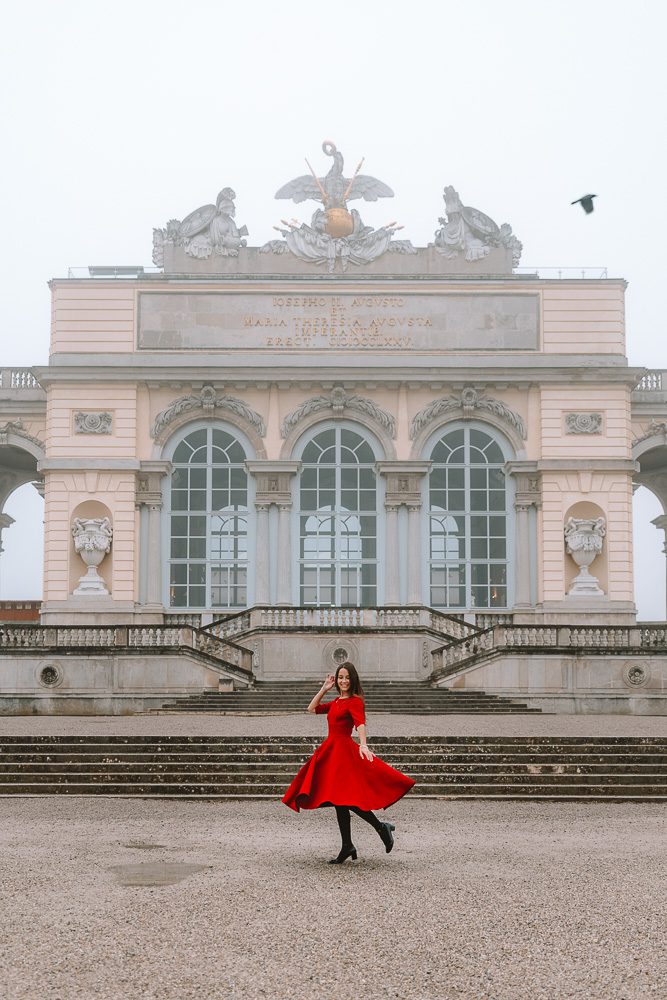
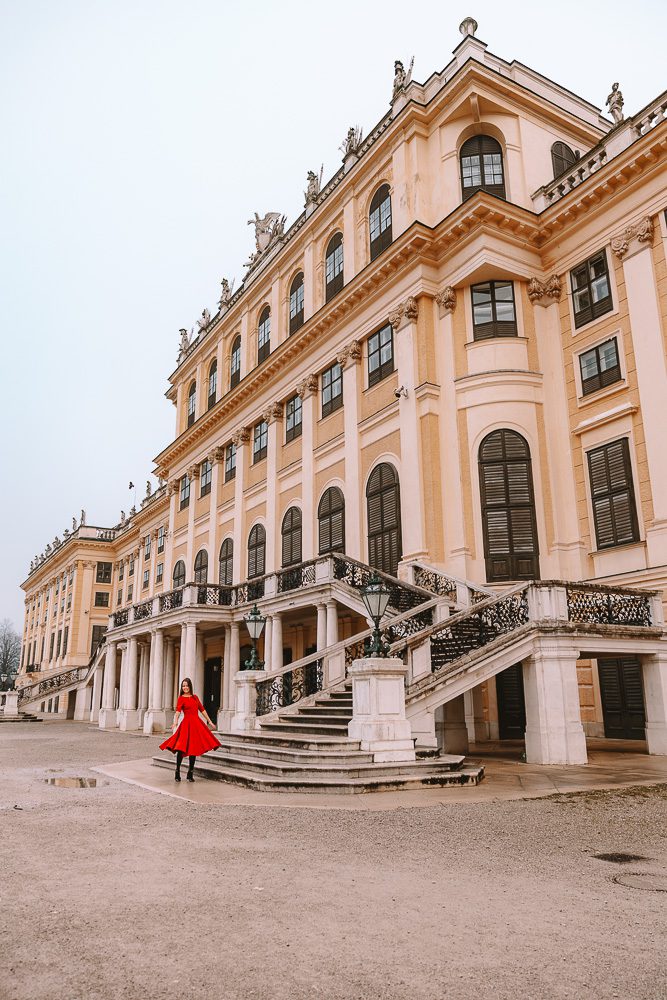
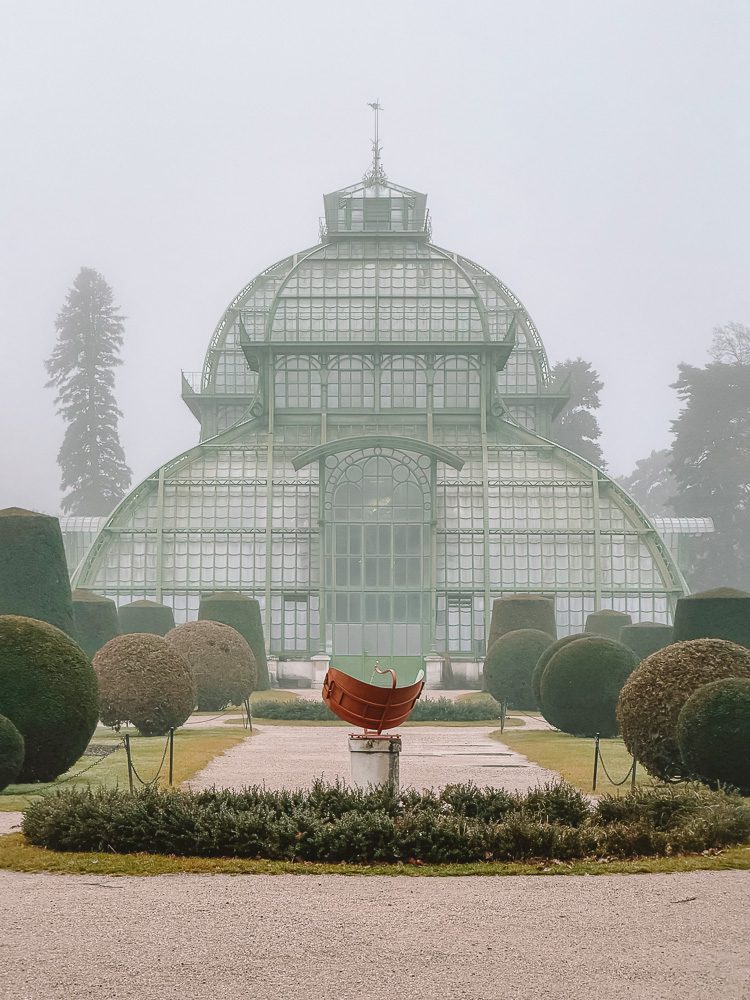
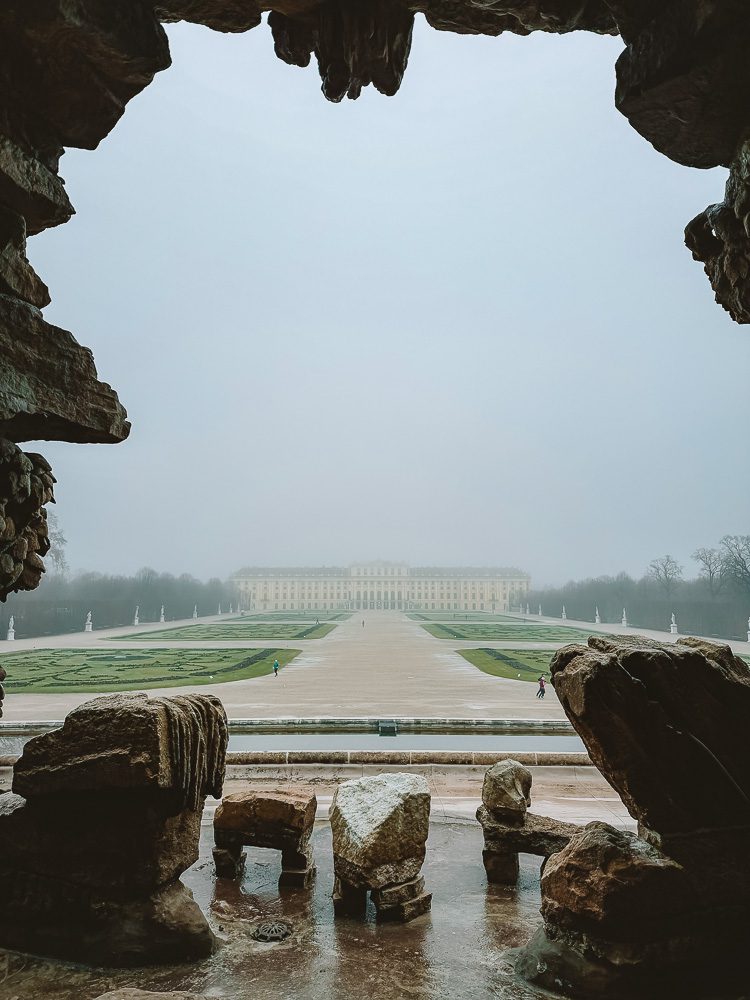
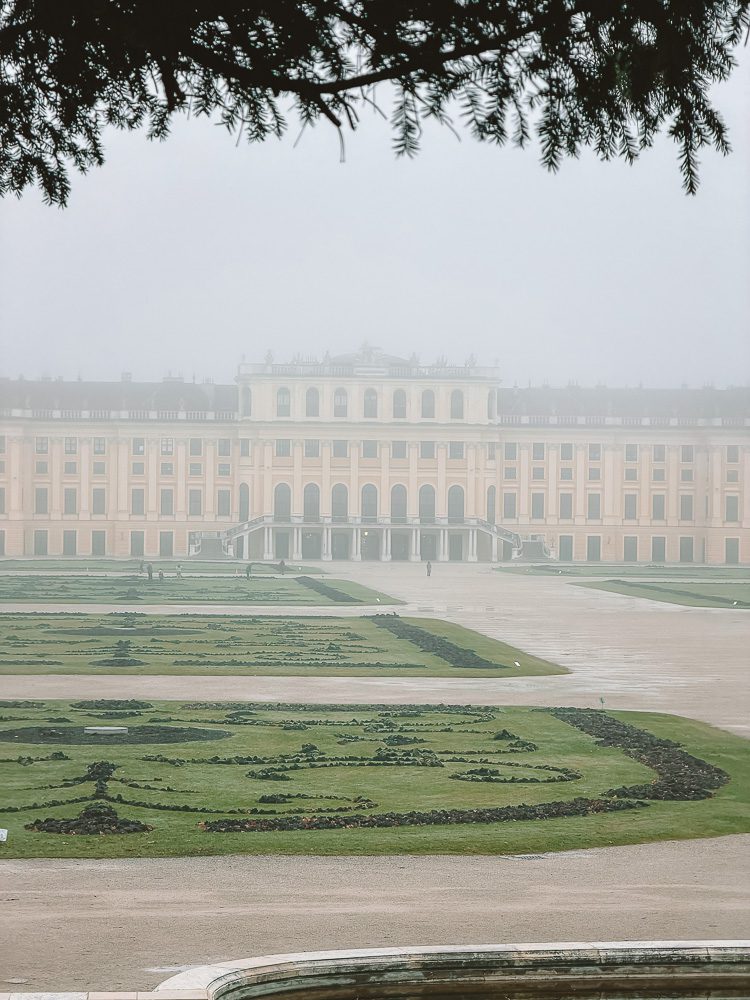
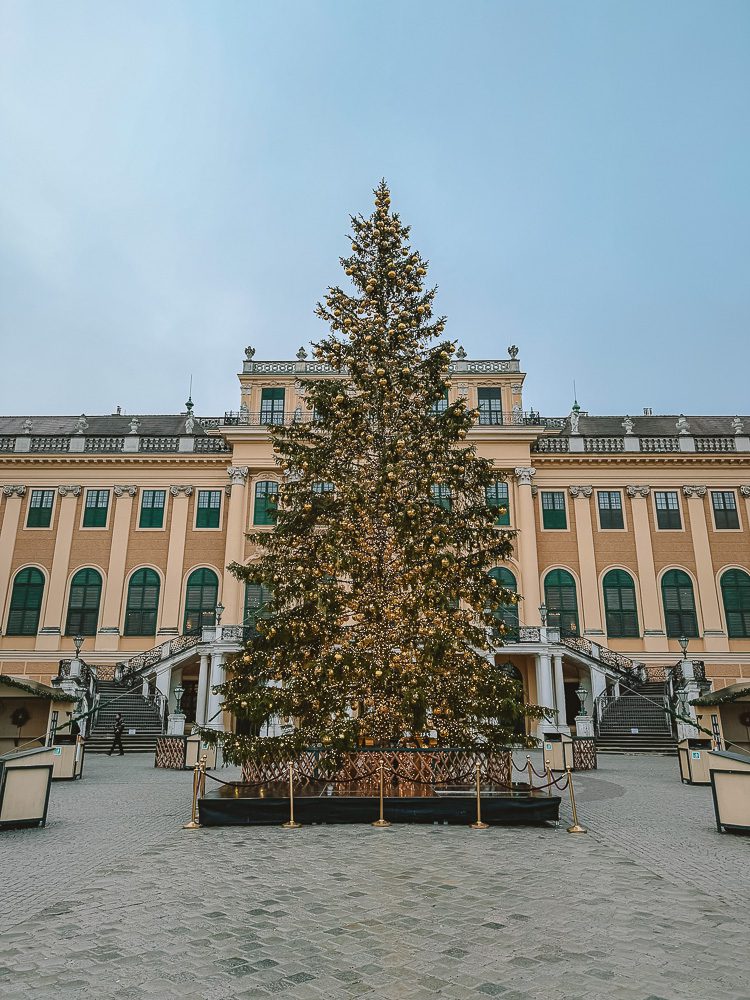
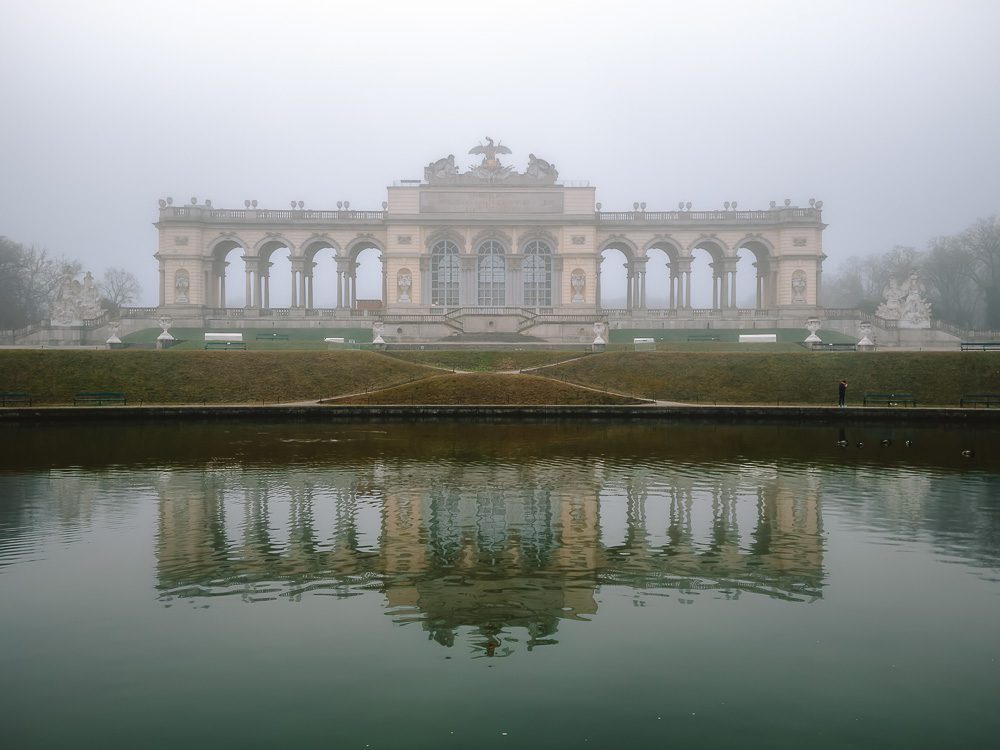
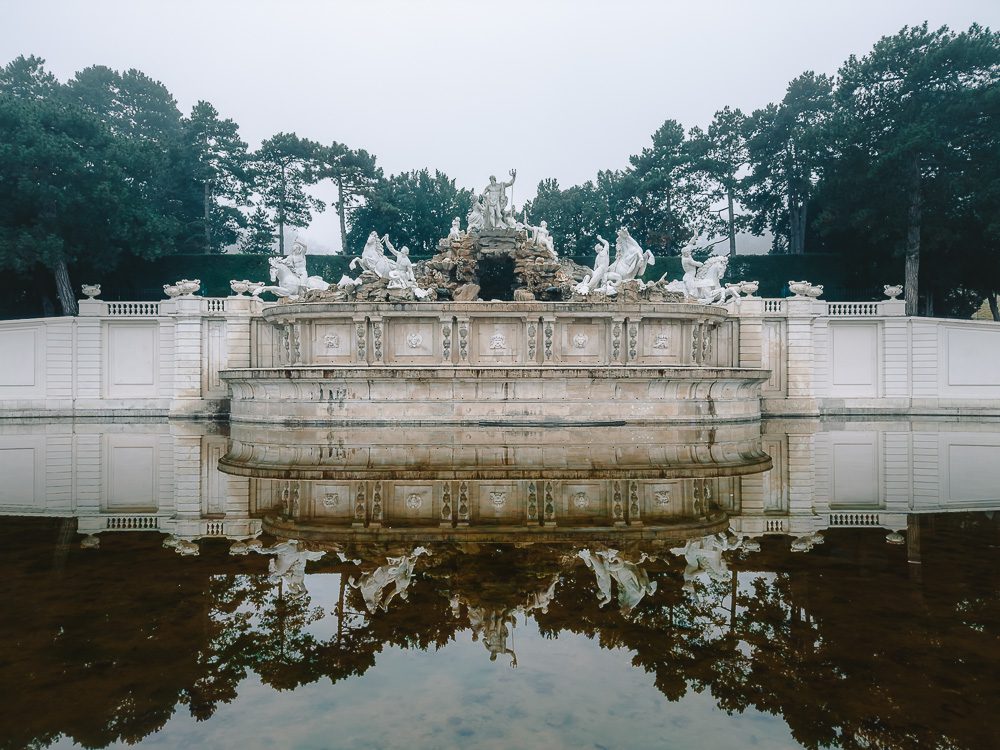
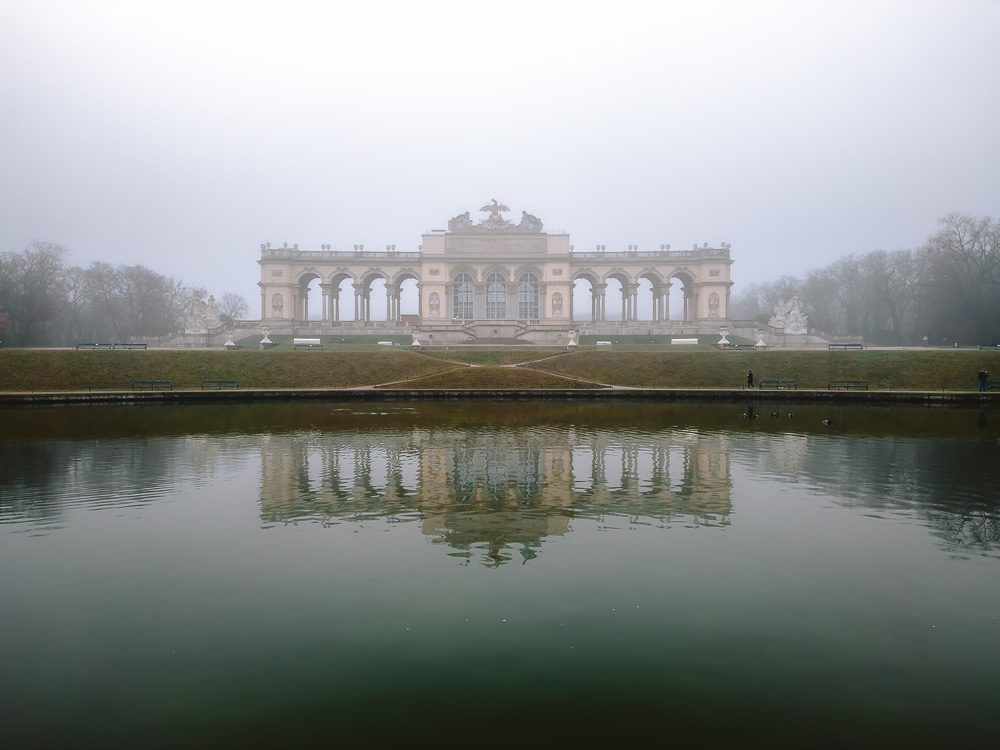
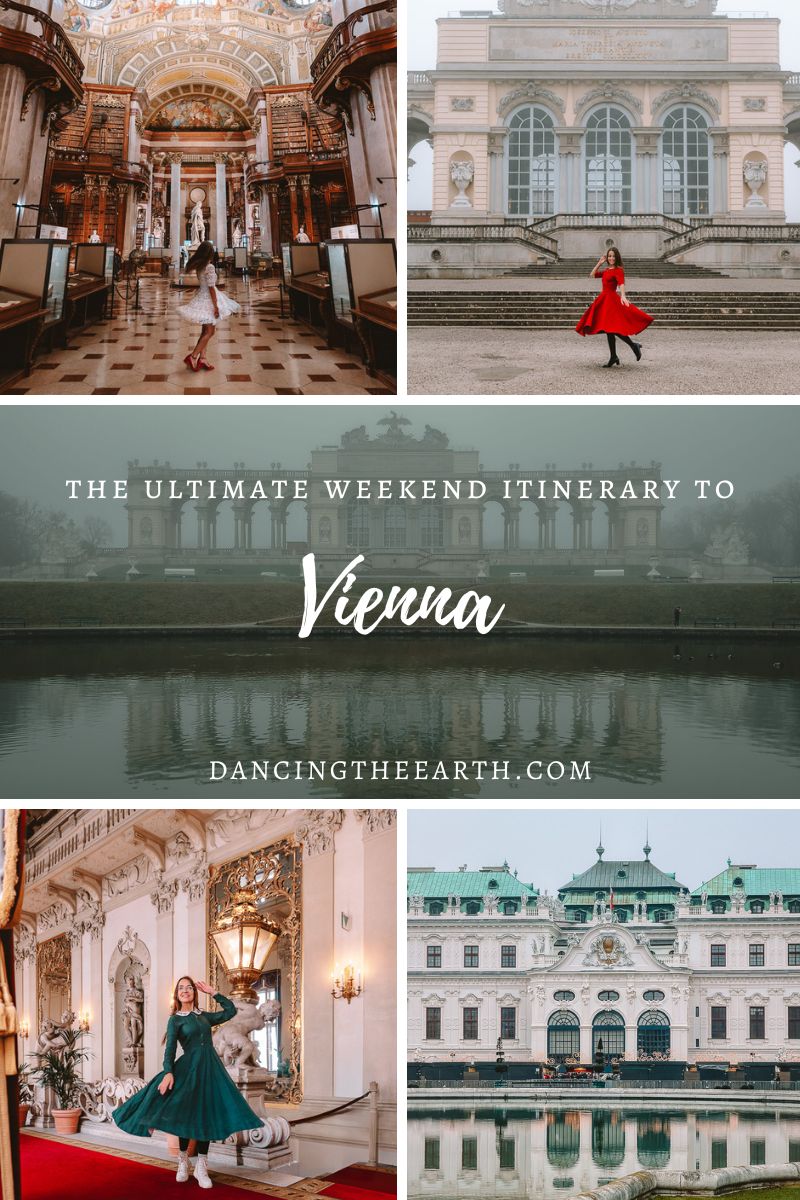
Start your day early at Schönbrunn Palace, one of Vienna’s most iconic landmarks. Arriving at opening (6:30) or around sunrise allows you to explore the gardens before the crowds and capture the best morning light. The view from the Gloriette is especially worth the climb.
The former summer residence of the Habsburg dynasty was built in the 18th century for Empress Maria Theresa and is now a UNESCO World Heritage site. Its Baroque façade and vast symmetrical gardens reflect imperial grandeur, while the Gloriette hill behind the palace offers panoramic views of Vienna. Even if winter isn’t the best season for the gardens, it is still magical. I’d recommend checking it in spring and autumn, which looks equally stunning and less busy.
Note that there’s also a Christmas market right at the entrance of the Palace in December (in 2024 and 2025).
Tip: The gardens are open from 6:30am to 5pm/9pm (vary by season) and free to visit. If you want to visit the interior, I highly recommend to book your ticket way in advance.
2. Justizpalast (Supreme Court)
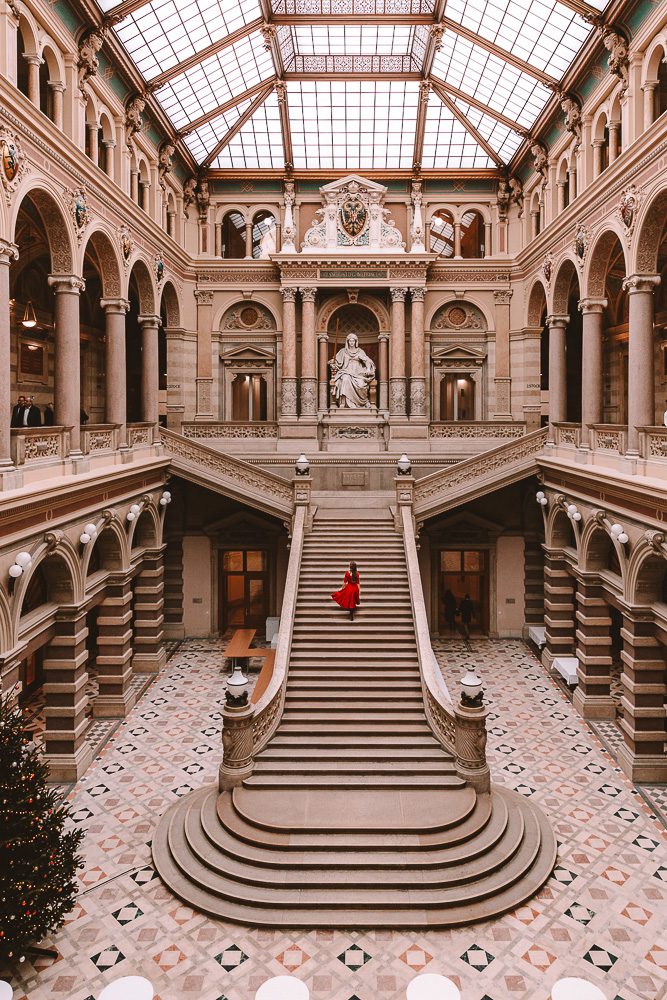
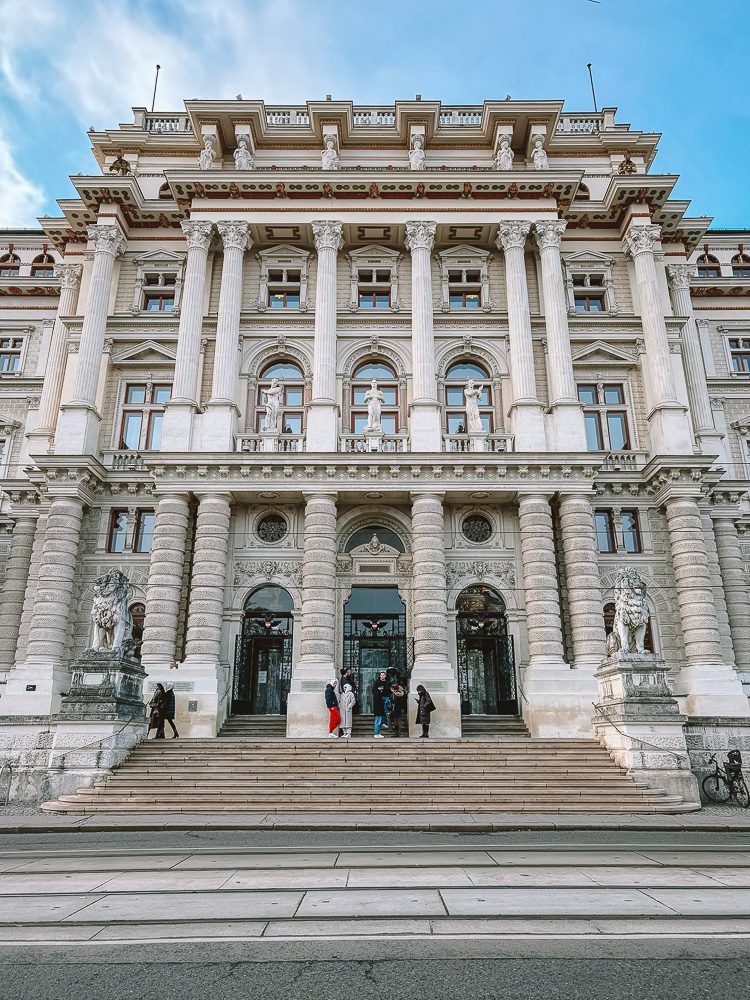
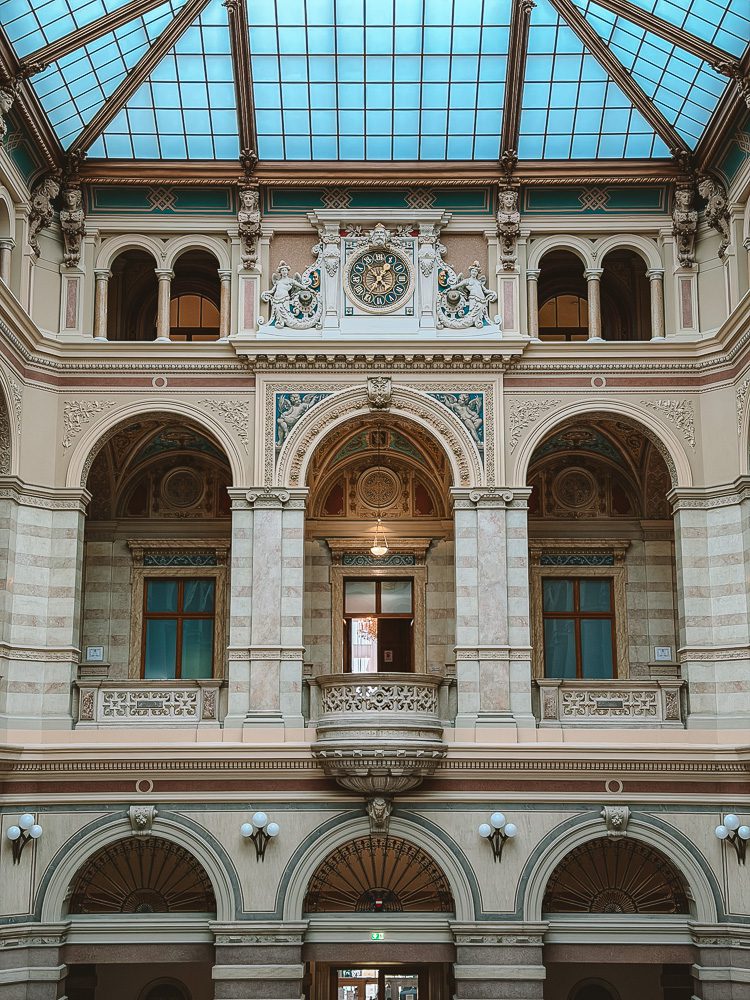
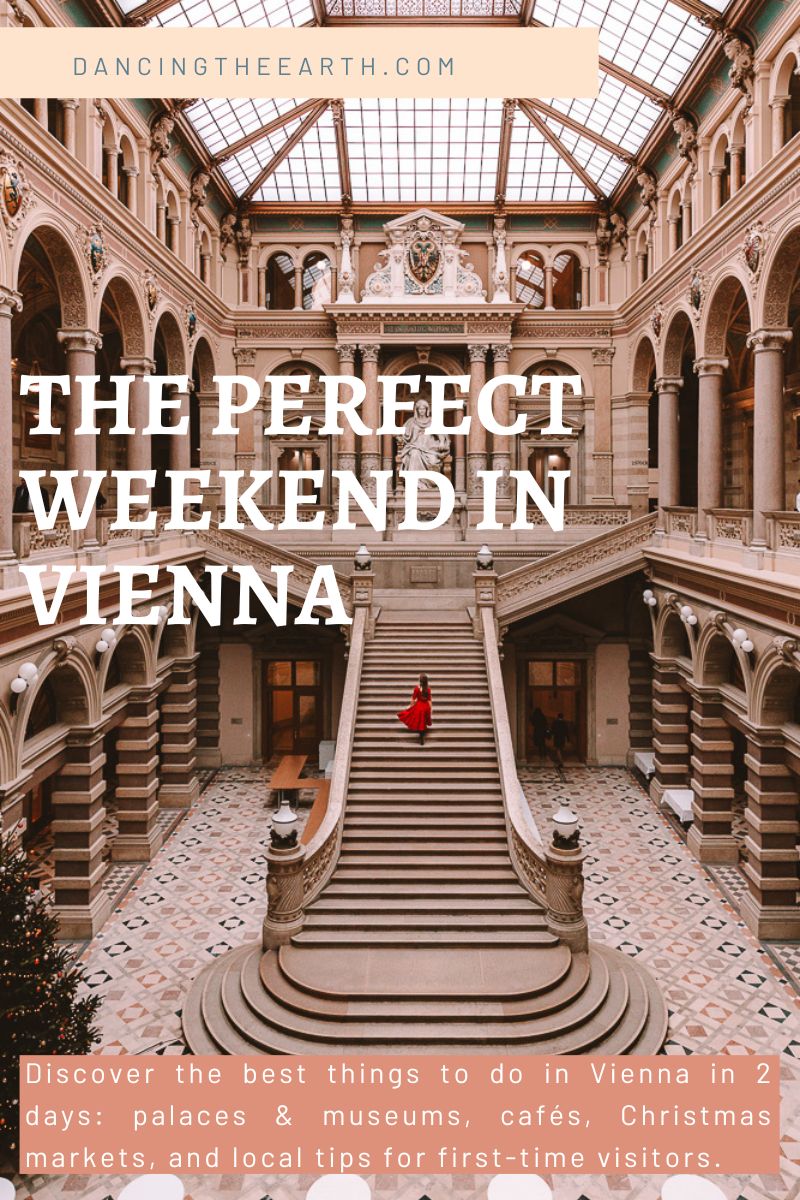
Take the metro from Schönbrunn (U4 → U2, about 30 min, €2.40) to reach the Justizpalast, home to one of Vienna’s most beautiful hidden gems.
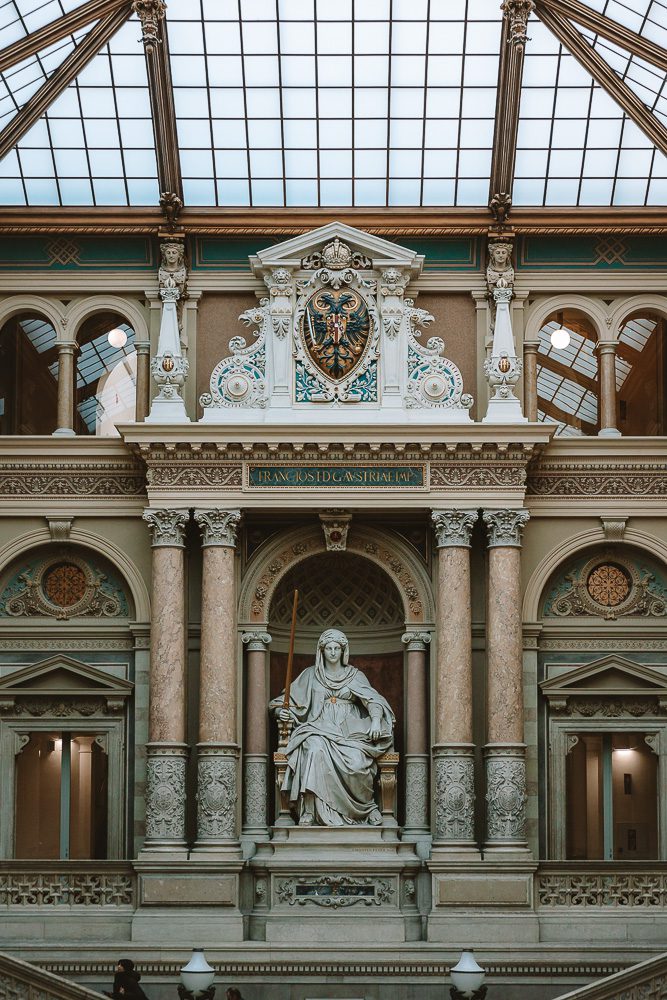
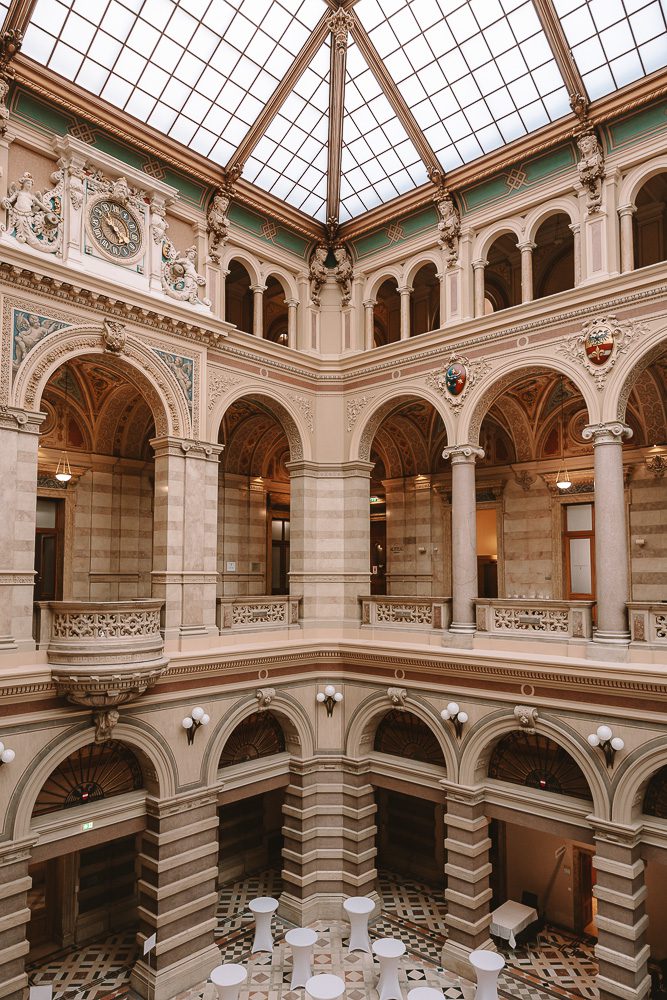
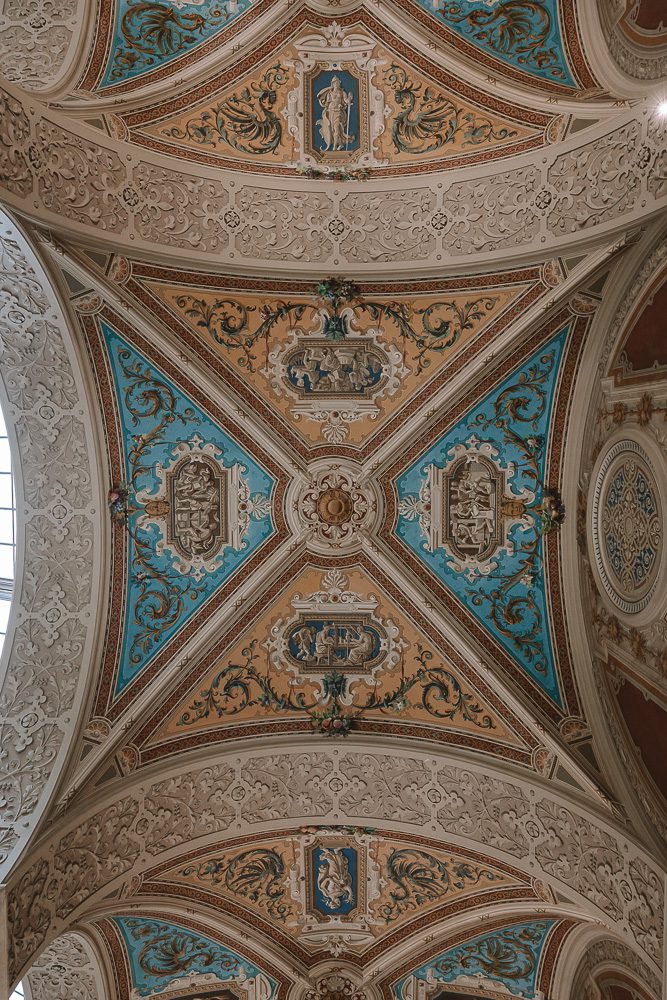
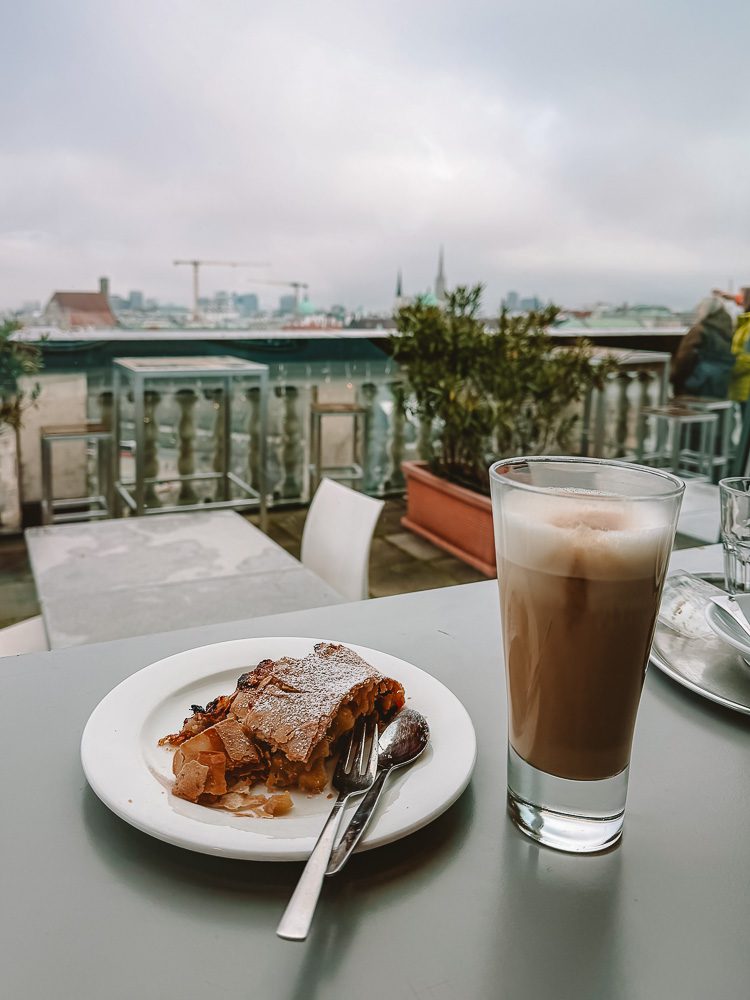
Completed in 1881 in Neo-Renaissance style, it features an impressive marble staircase, arched galleries, and a glass dome that floods the interior with natural light. The top-floor café offers one of the best free viewpoints in the city, overlooking the Rathaus and the Ringstrasse.
Tip: Free to visit. Opens Monday to Friday, 9:30 a.m. – 3:30 p.m., with entry allowed on the half hour and limited to 25pp. Last entry is 2:30pm.
Bring your ID for security; tripods are not allowed and keep in mind that this is a workplace, not a photoshoot spot.
Coffee (oat milk available) and pastries are around €10.
3. Belvedere Palace & Gardens
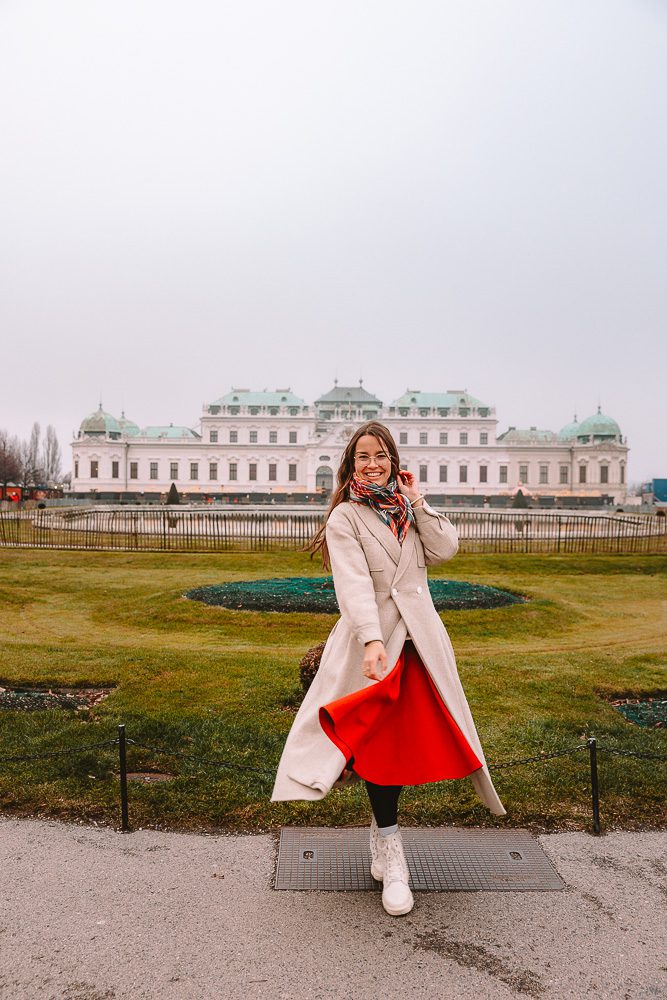
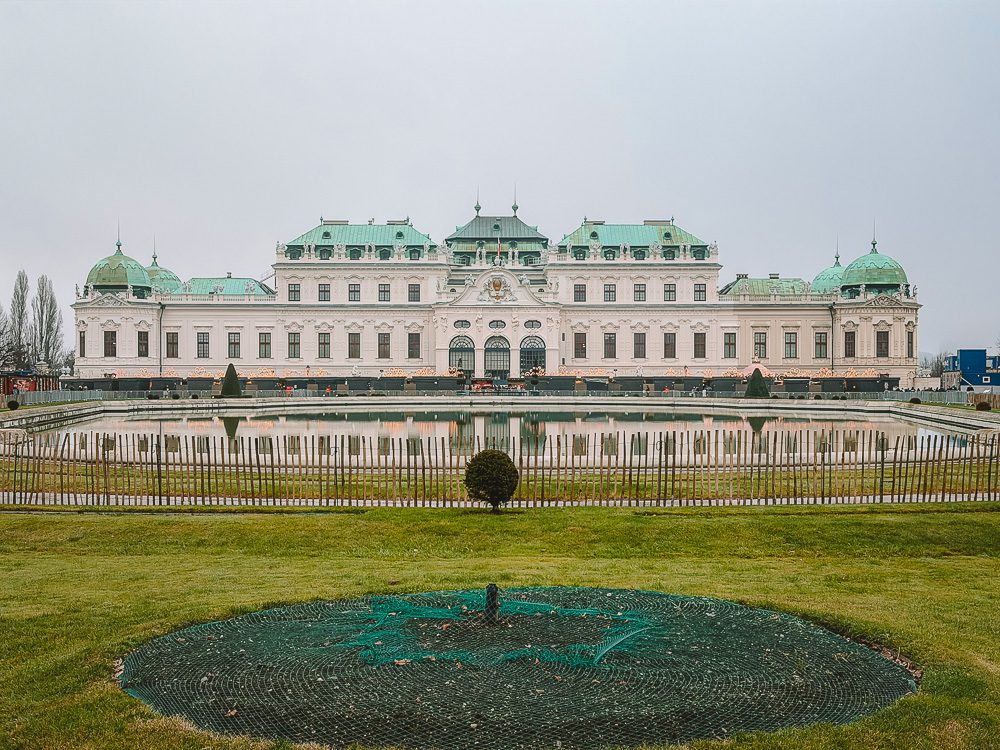
Continue to the Belvedere Palace, another baroque masterpiece. It was built in the early 18th century as the summer residence of Prince Eugene of Savoy. Divided into Upper and Lower Belvedere, it’s a masterpiece of Baroque architecture surrounded by formal French gardens, fountains, and sculptures.
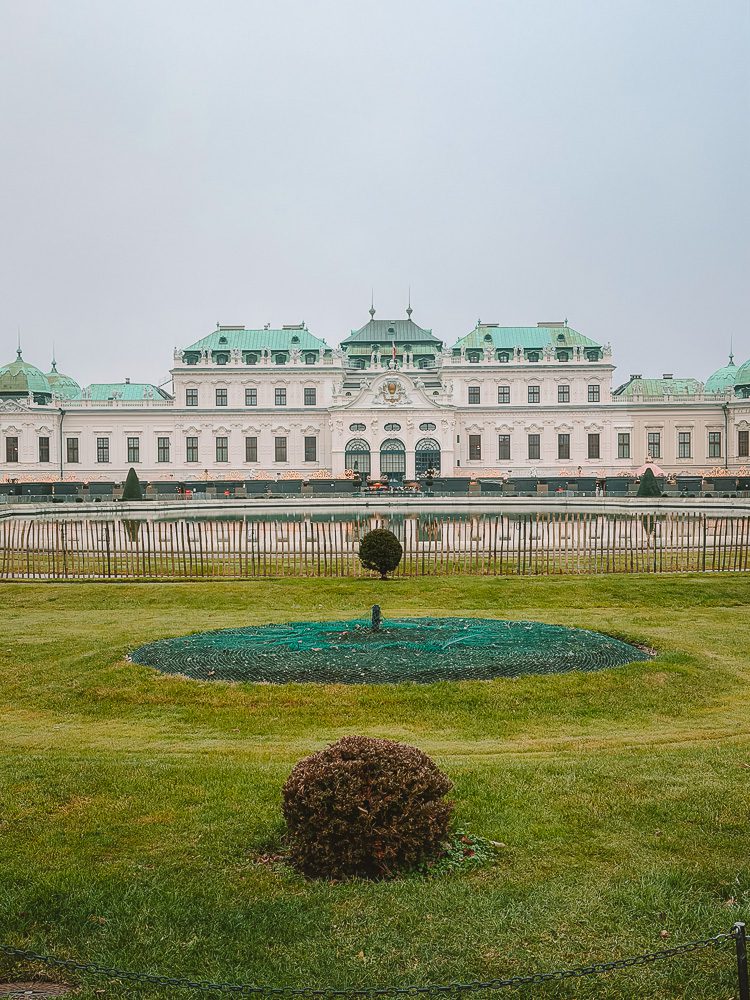
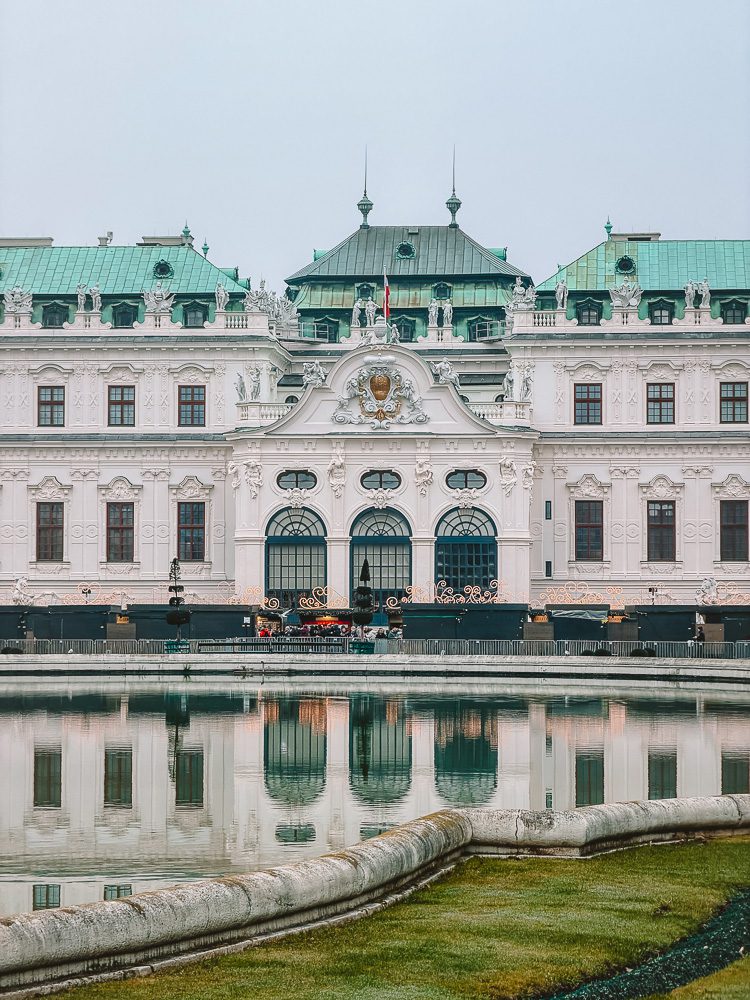
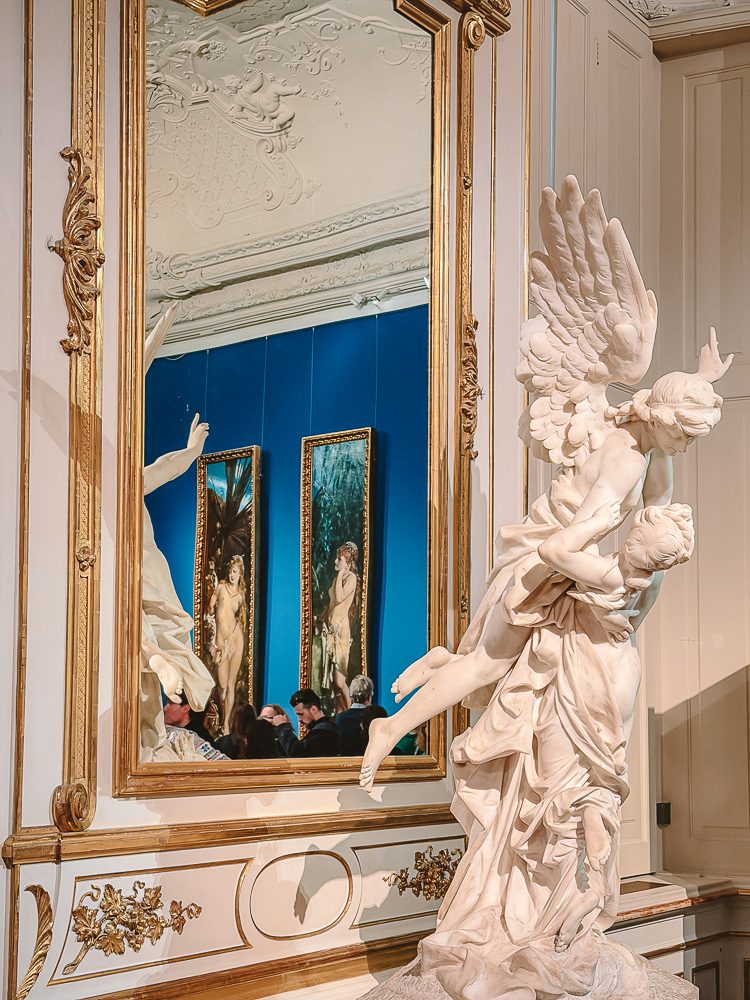
The Upper Belvedere hosts the world’s largest collection of Gustav Klimt paintings, including The Kiss and Judith, while the gardens are perfect for a relaxed walk or photo stop. The reflection on the lake is just magnificent. The cafe inside the museum is also super cute and a nice place to relax while having lunch or sipping on a hot chocolate and a poppy seeds tart (so yummy!).
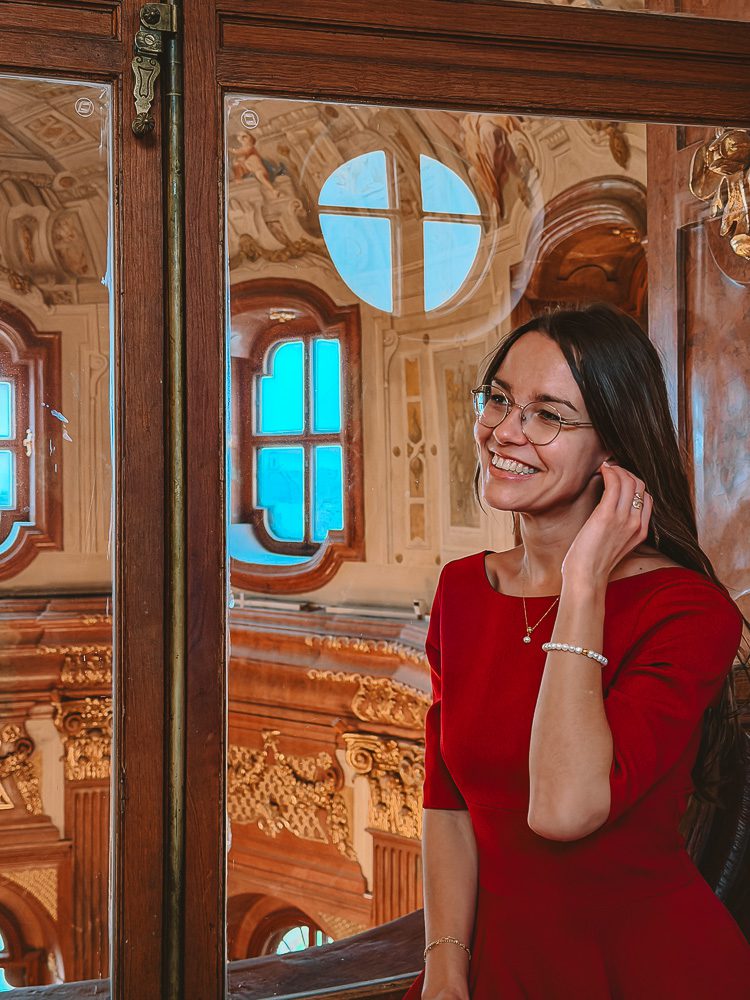
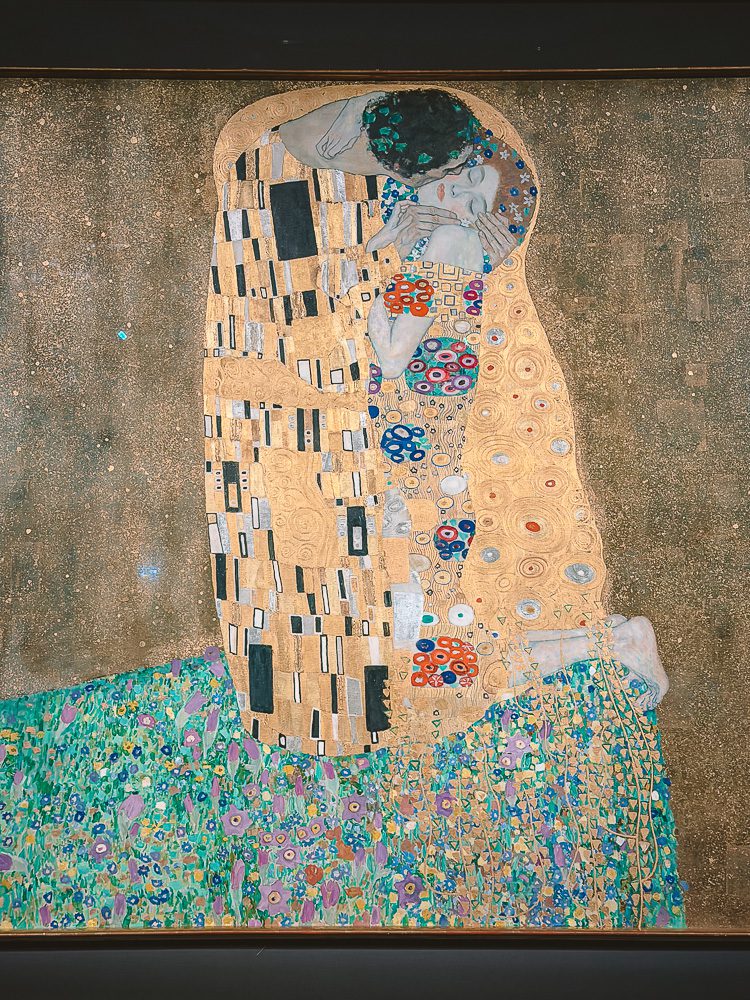
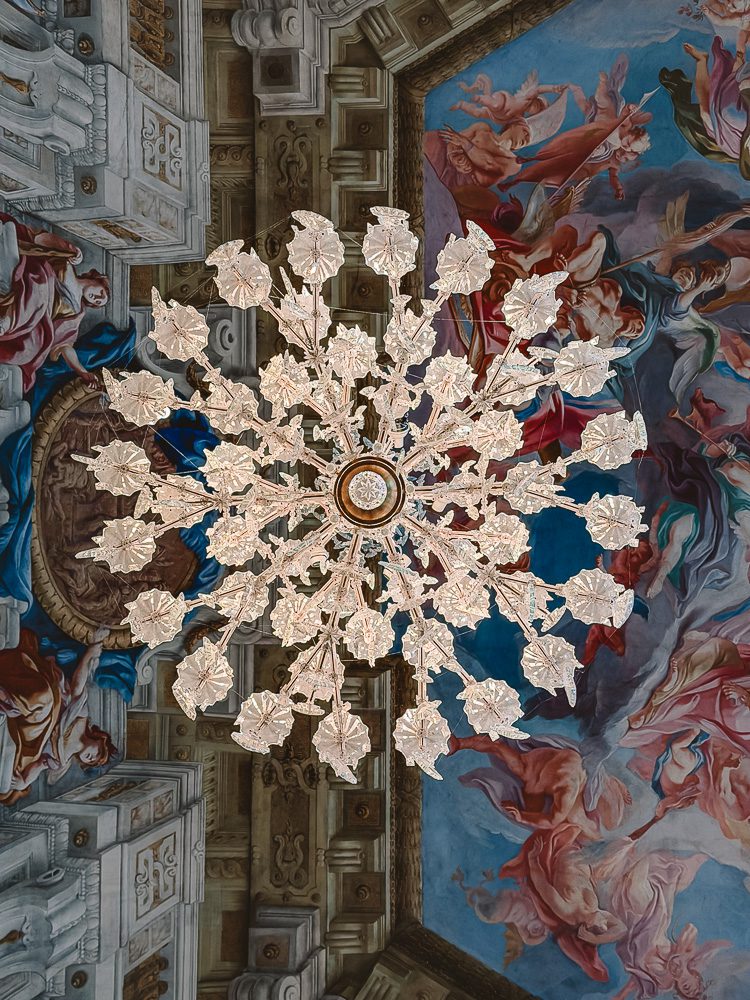
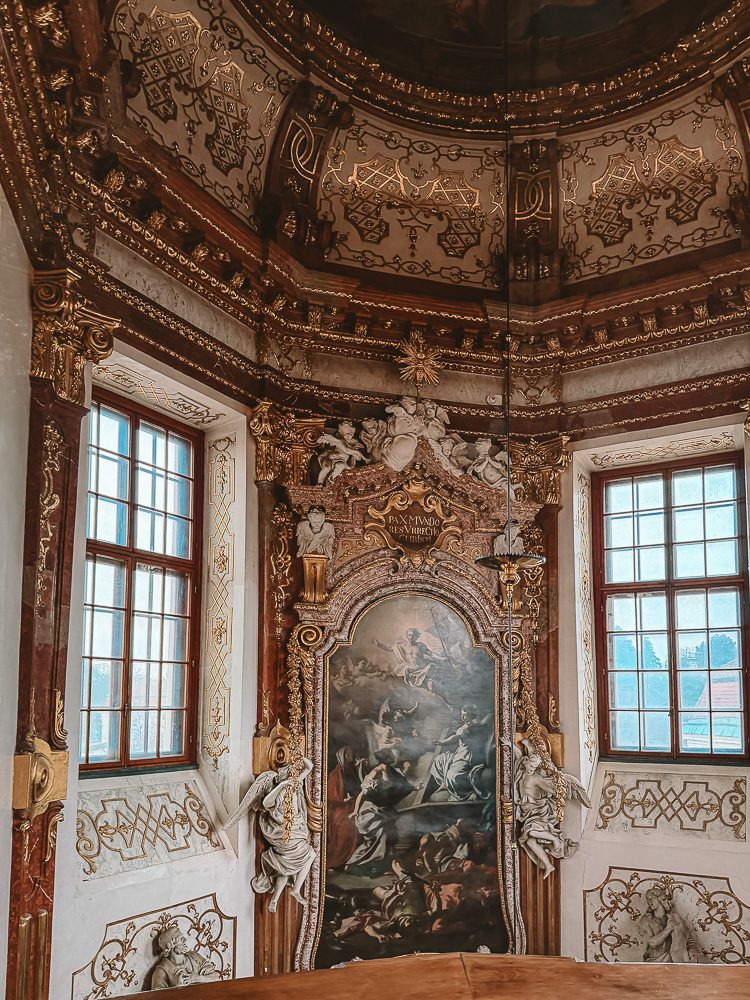
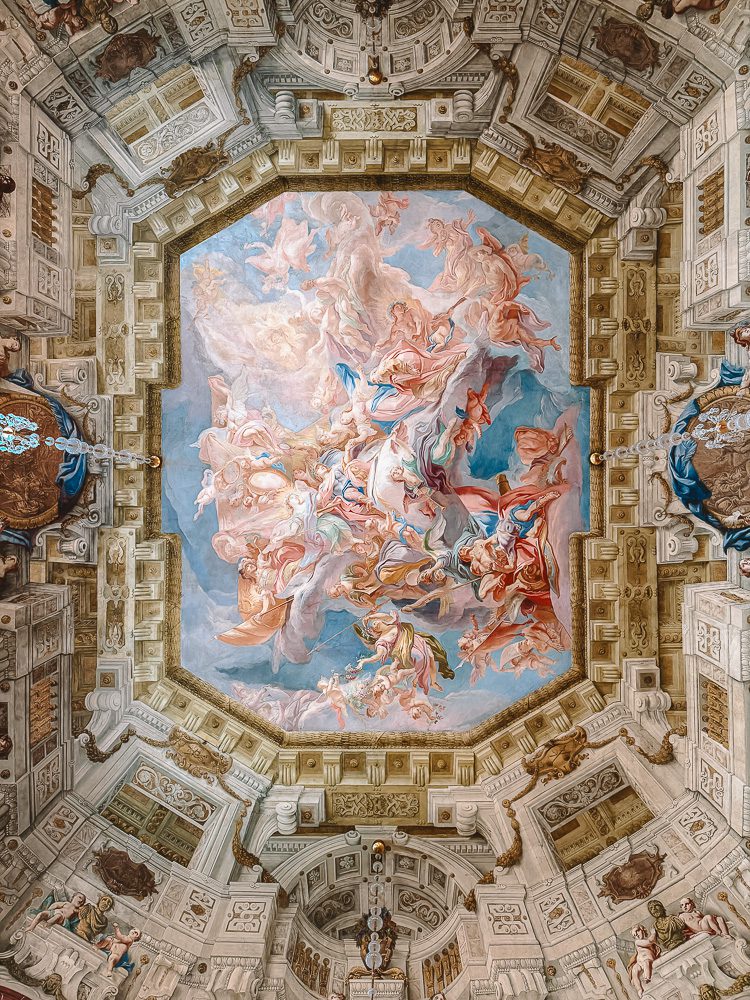
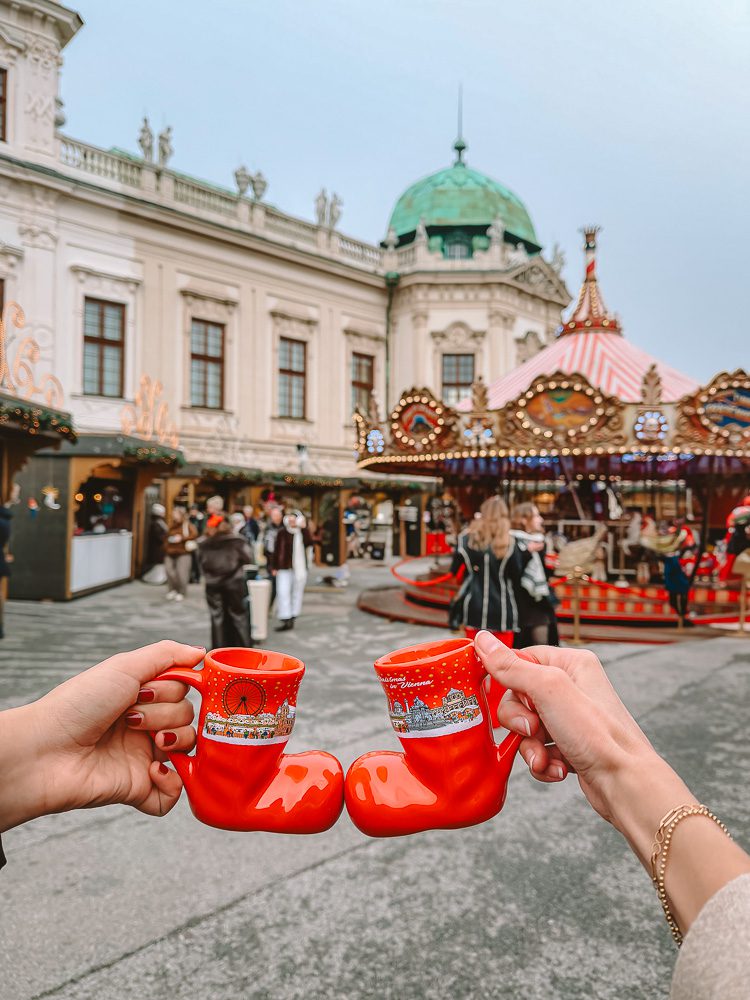
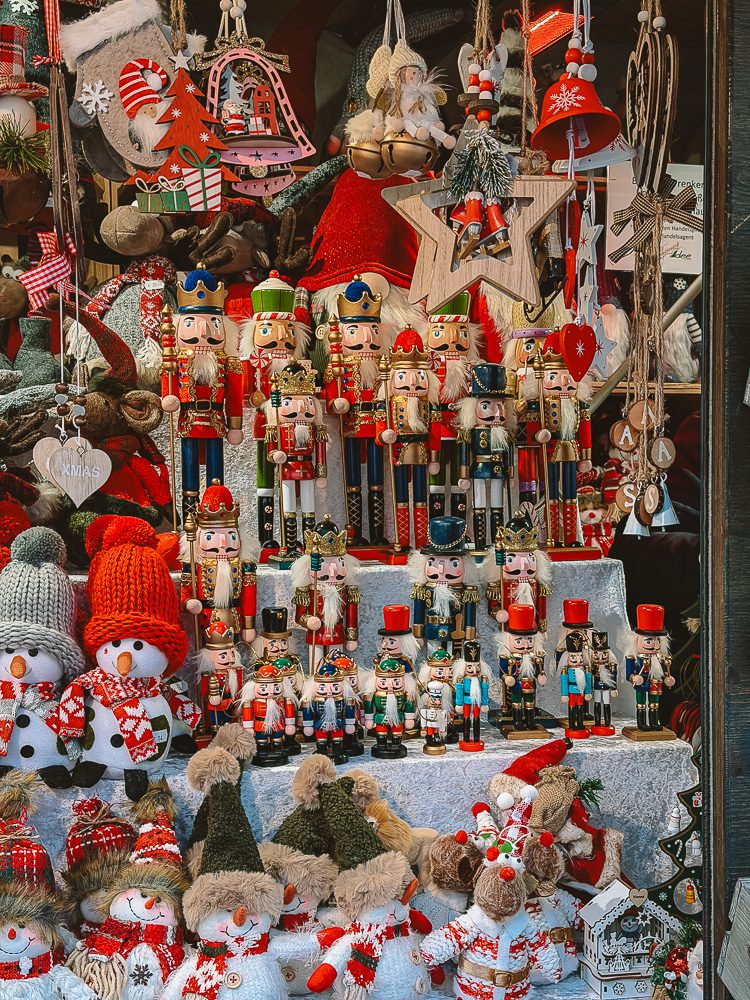
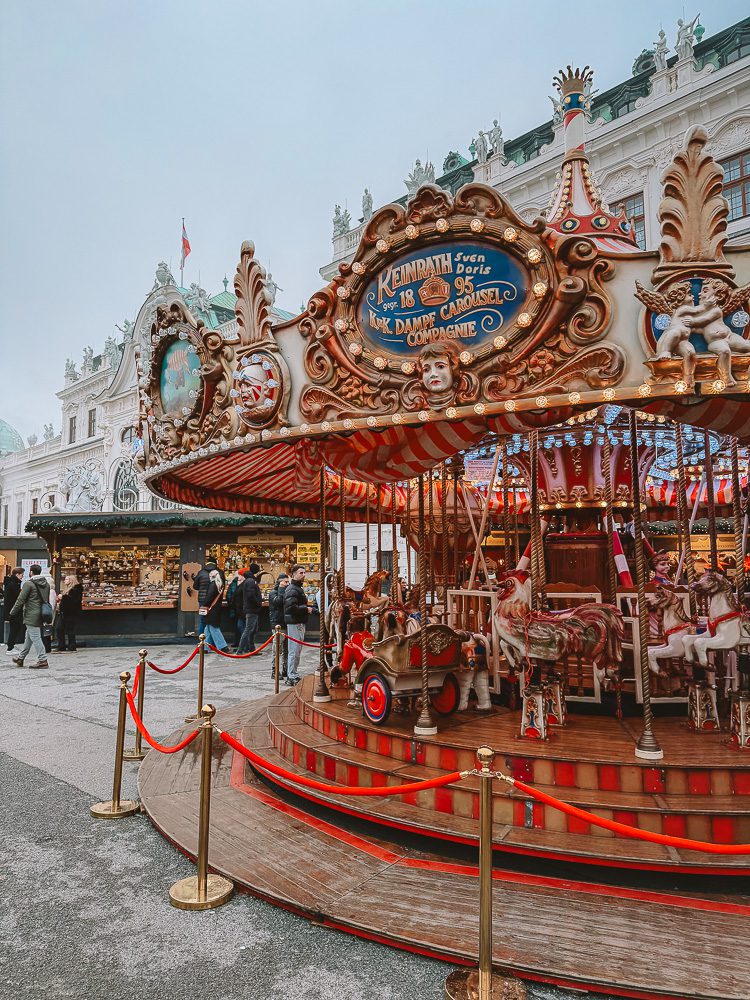
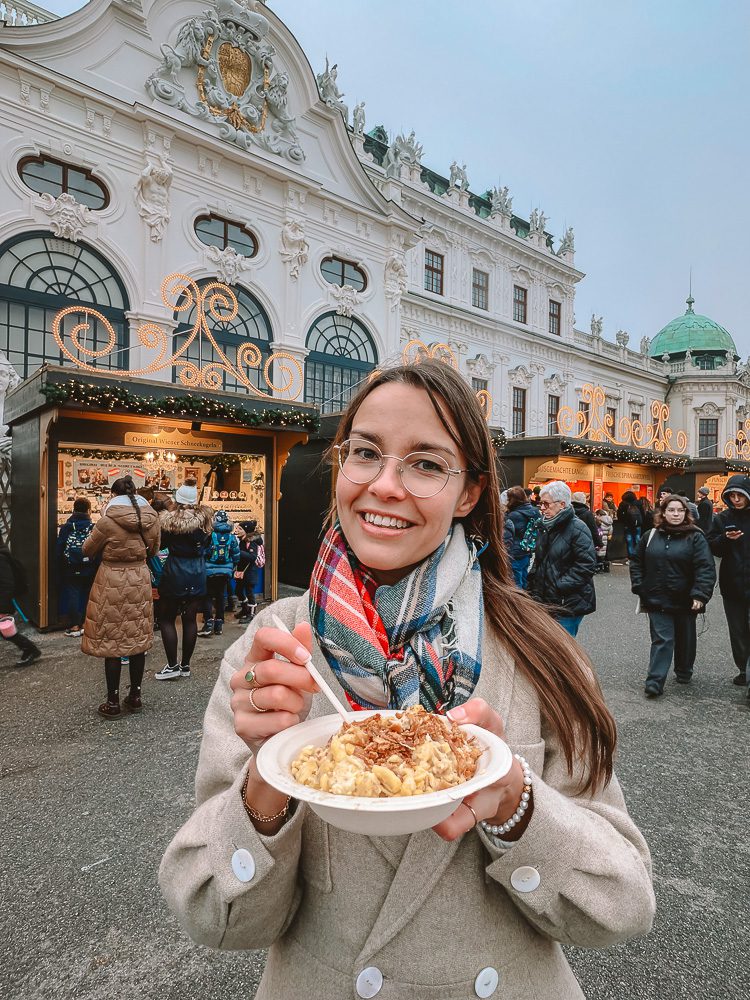
In December, the Belvedere Christmas Market adds a festive touch with local food and crafts. I loved the delicious spätzle & super cute boot mug!
Tip: Open daily 10:00 a.m.-6:00 p.m. Tickets are usually sold out so I recommend booking in advance as well.
4. Evening Christmas Markets Tour
Art Advent at Karlsplatz
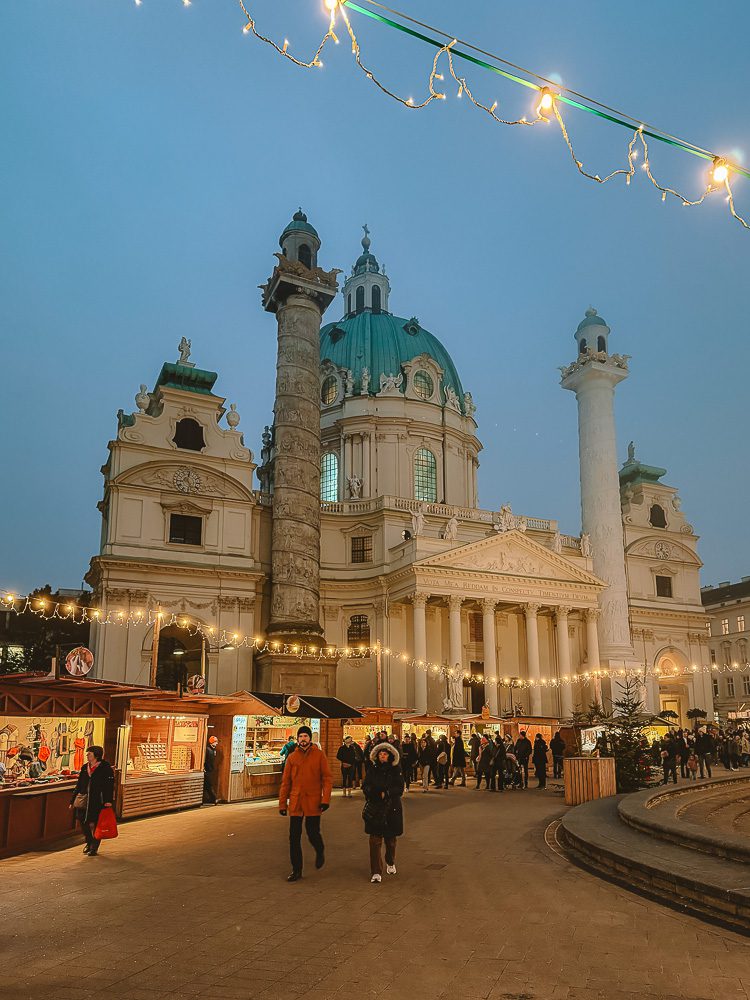
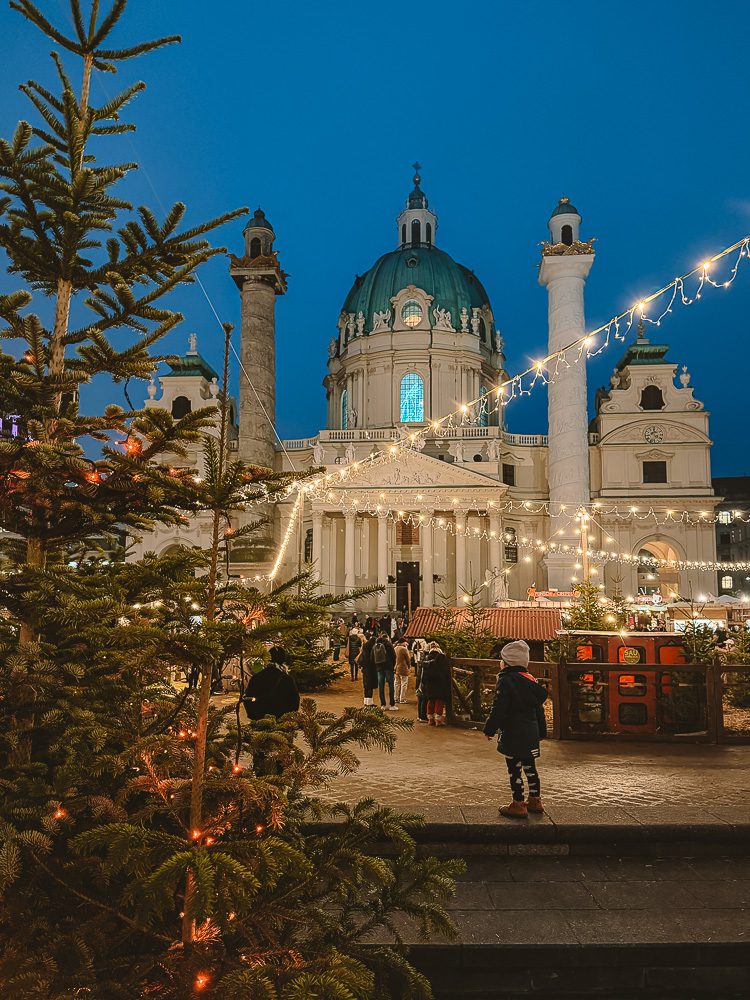
The Karlsplatz Christmas Market, known as Art Advent, focuses on local craftsmanship and sustainability. Located in front of the Baroque Karlskirche, it combines handmade products, live music, and organic street food in a creative, relaxed setting. The market’s backdrop, the illuminated dome of Karlskirche reflected in a shallow pond, makes it one of Vienna’s most photogenic festive spots.
Rathausplatz & Am Hof Christmas Markets
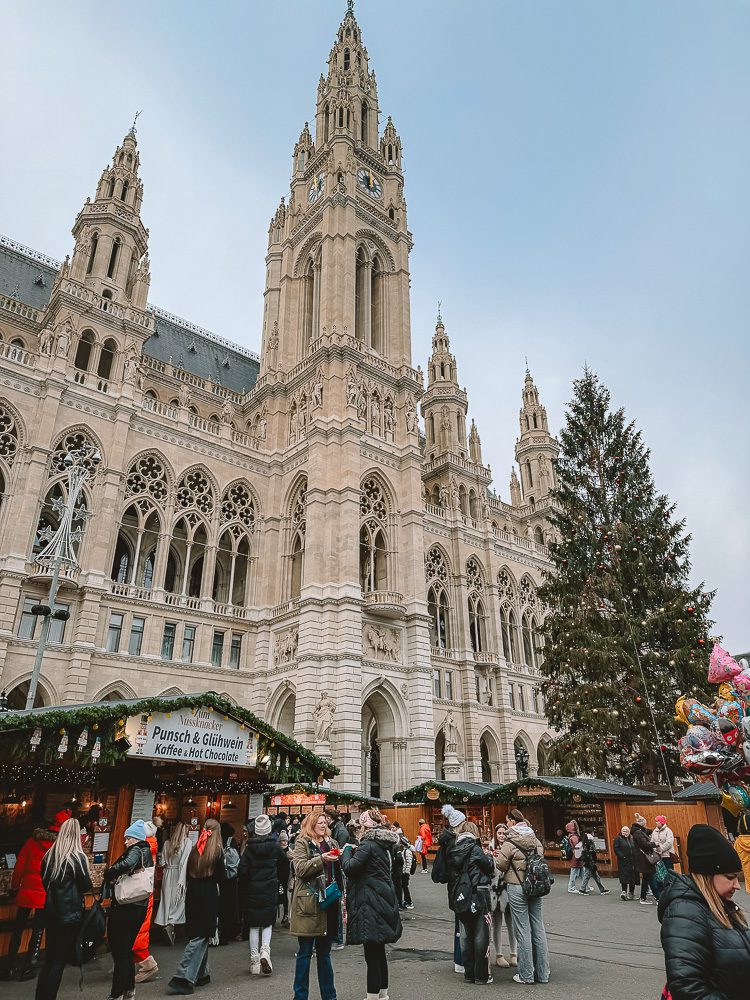
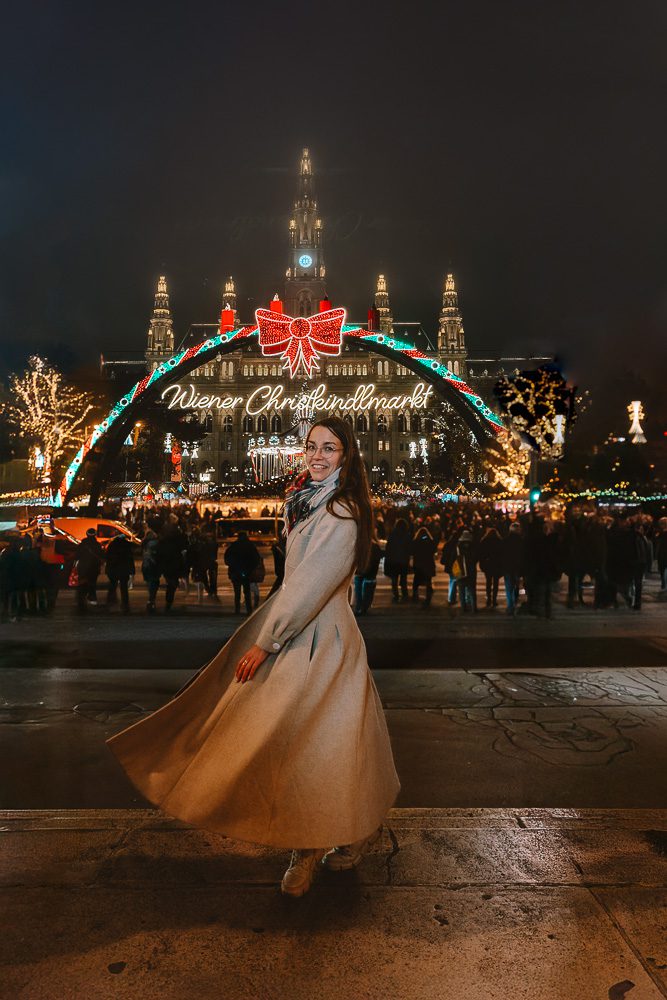
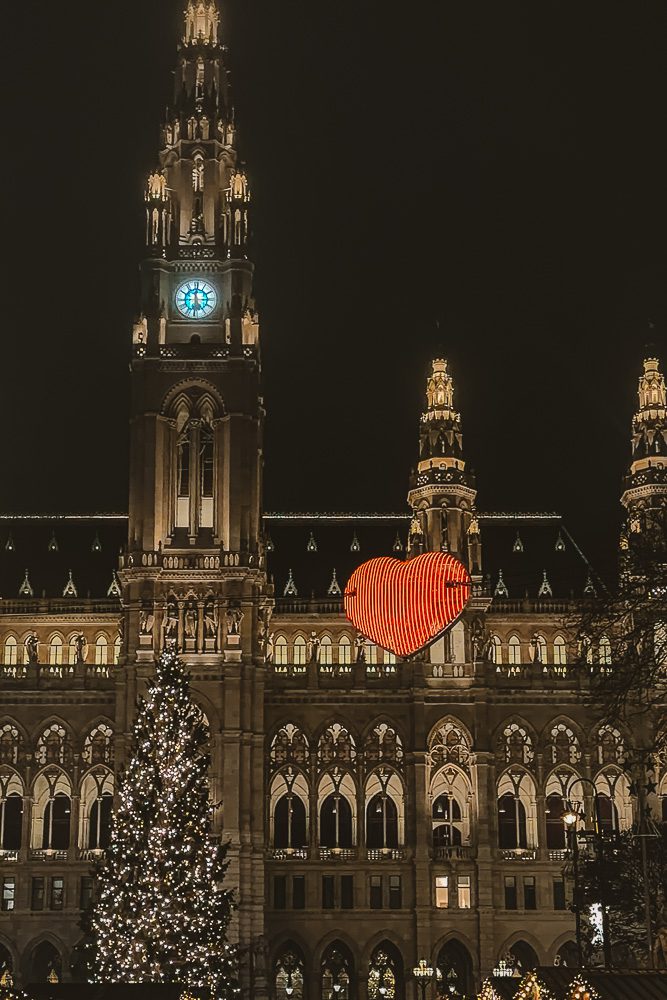
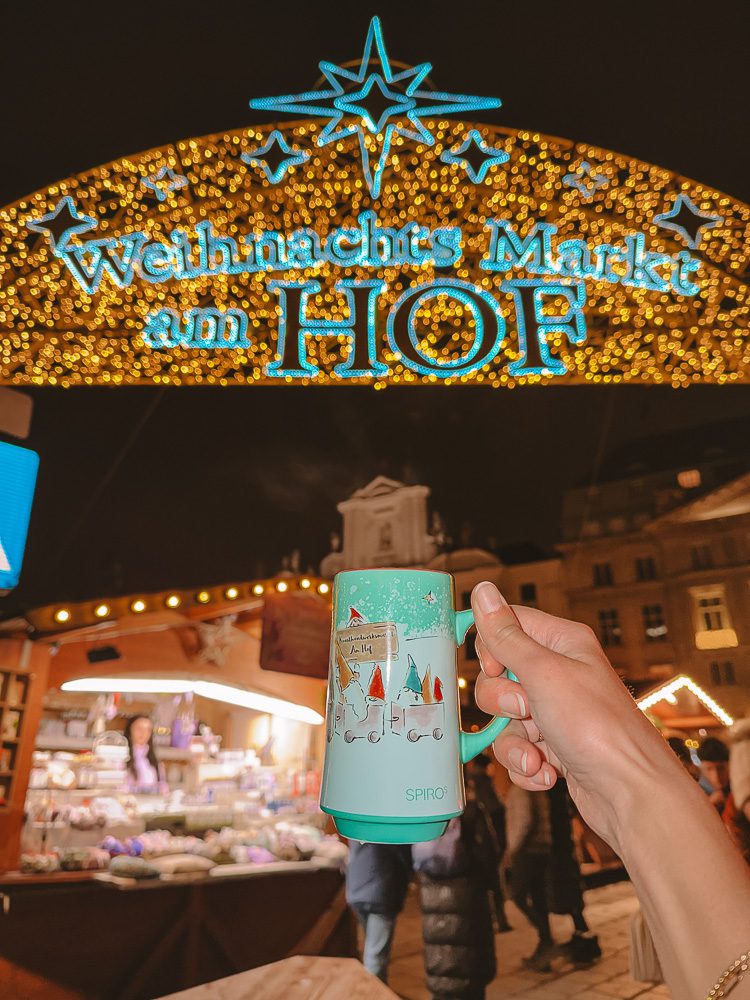
End your day at the Rathausplatz Christmas Market, the largest in Vienna, with over 100 stalls, an ice rink, and the neo-Gothic City Hall glowing behind it. A short walk away, the Am Hof Market offers a smaller, more traditional atmosphere, perfect for trying Kaiserschmarrn or the famous soup served in bread. I also loved their Kinderpunsch in their super cute mug!
Tip: Markets open daily 10:00 a.m.–9:00 p.m. from mid-November to Christmas. Combine both for the full Vienna Christmas experience.
Day 2: Vienna Classics & Hidden Corners
5. Morning around the city center
Popp & Kretschmer
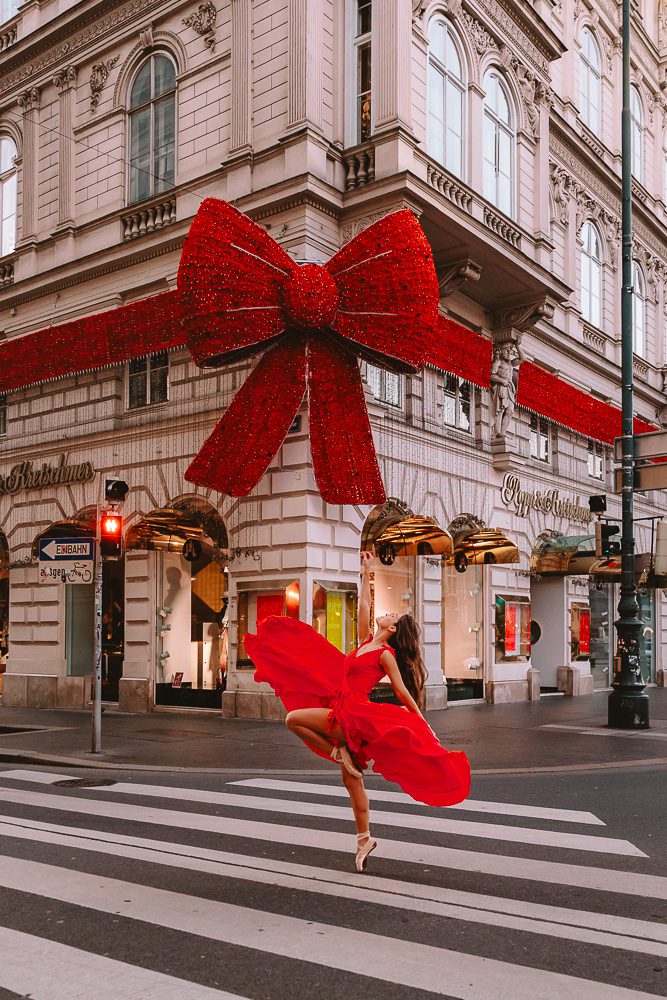
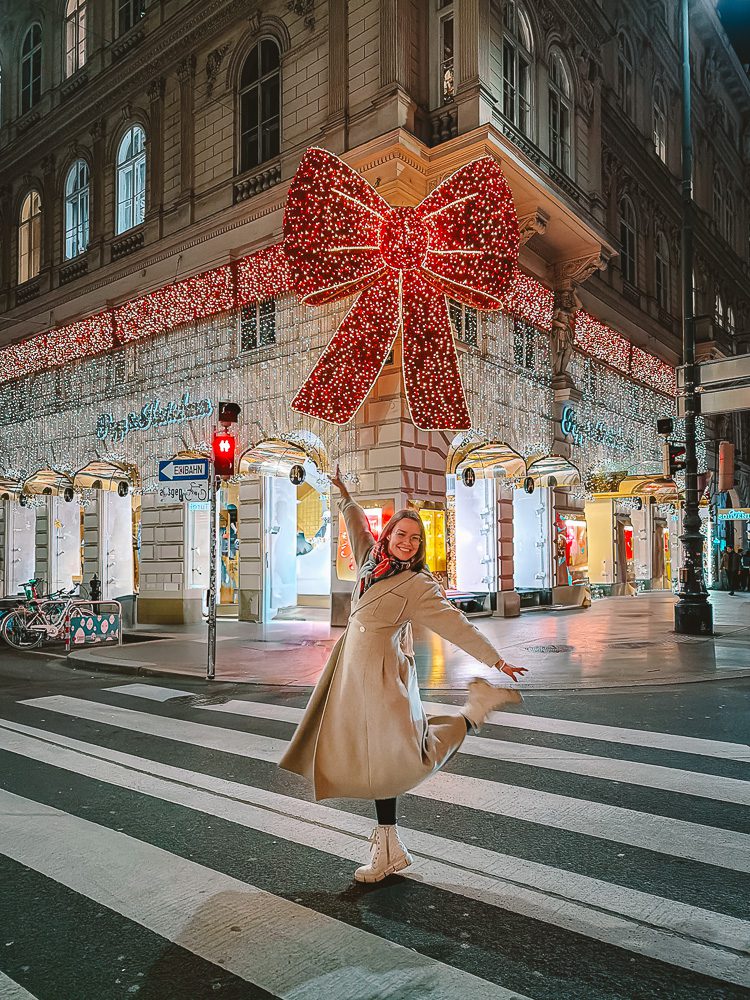
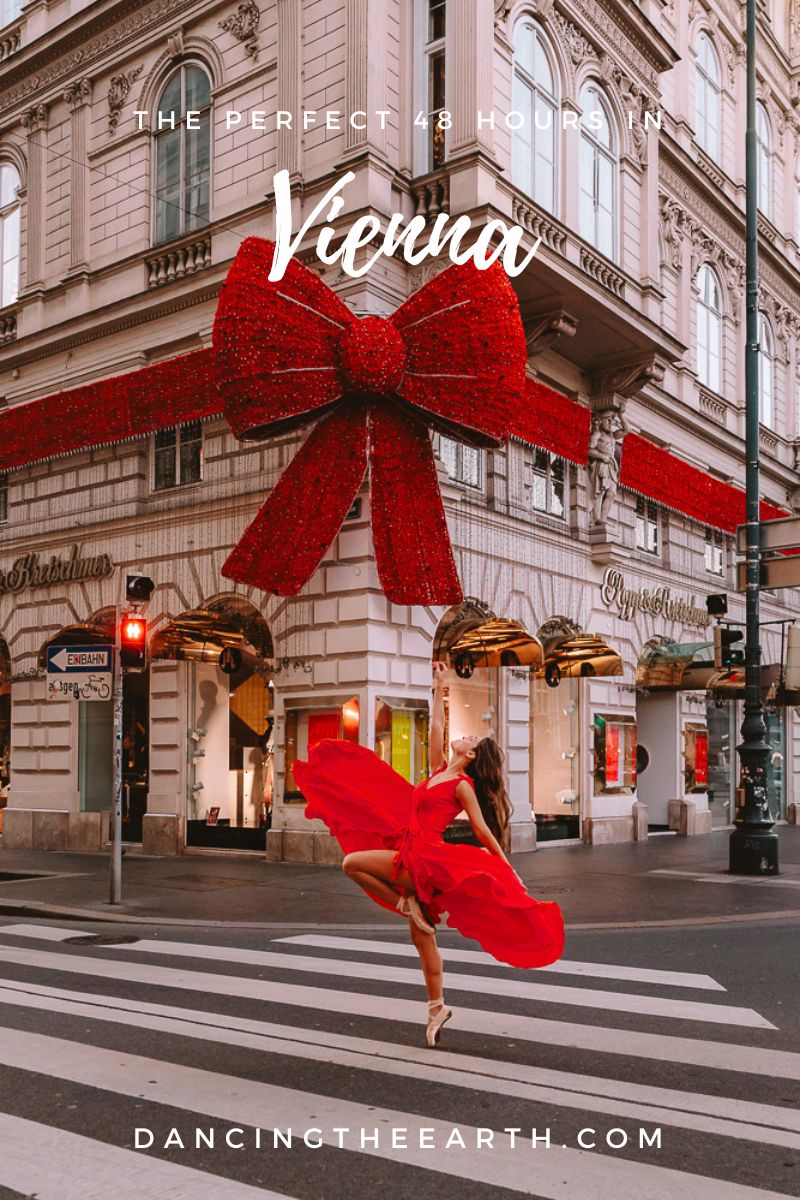
Start your morning at Popp & Kretschmer, a luxury department store near the Opera House, established in 1889. Its elegant façade becomes one of Vienna’s most photographed spots in winter, thanks to the enormous red bow that decorates the building. It’s a quick but iconic stop for a festive photo before diving into the city’s café culture.
Tip: note that I went at 7:20am and it was empty, no people and no car.
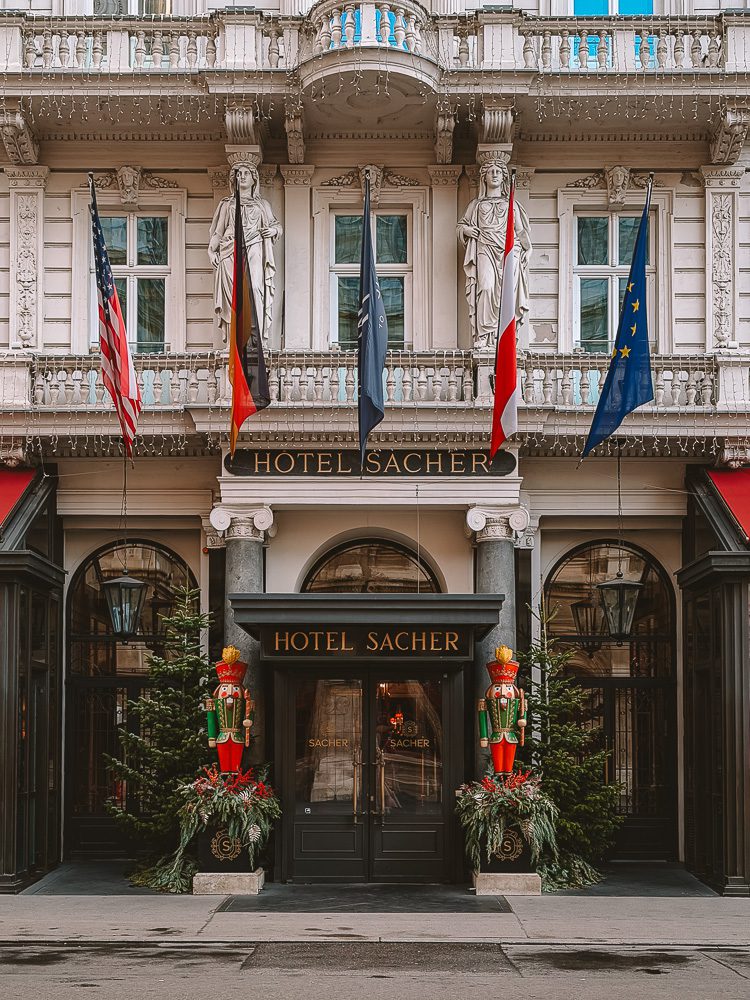
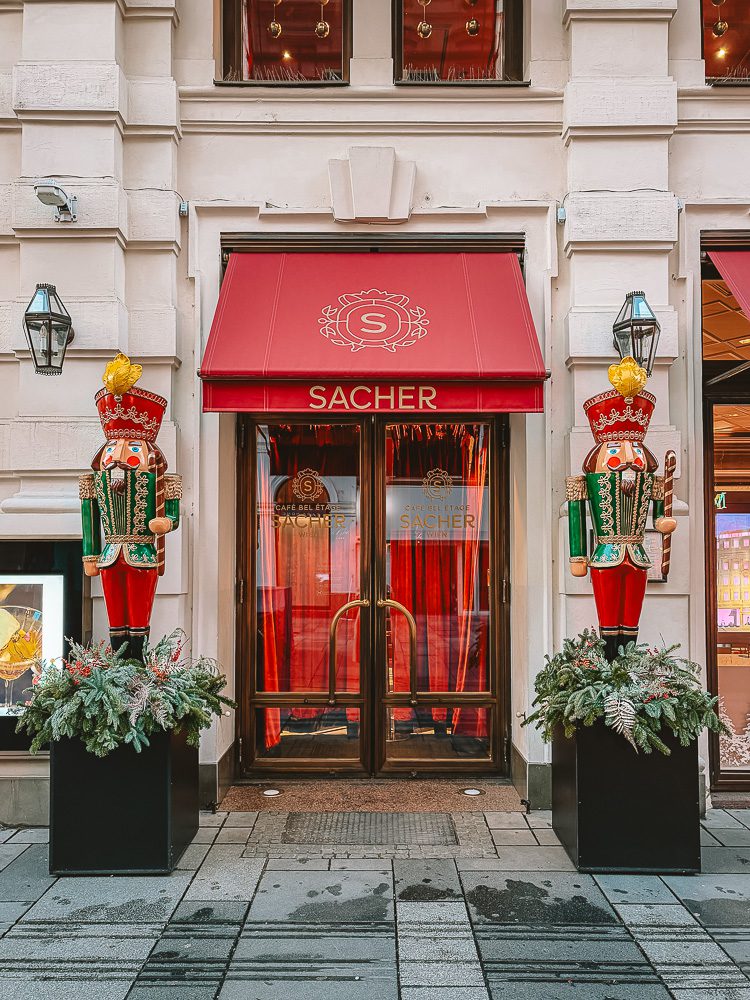
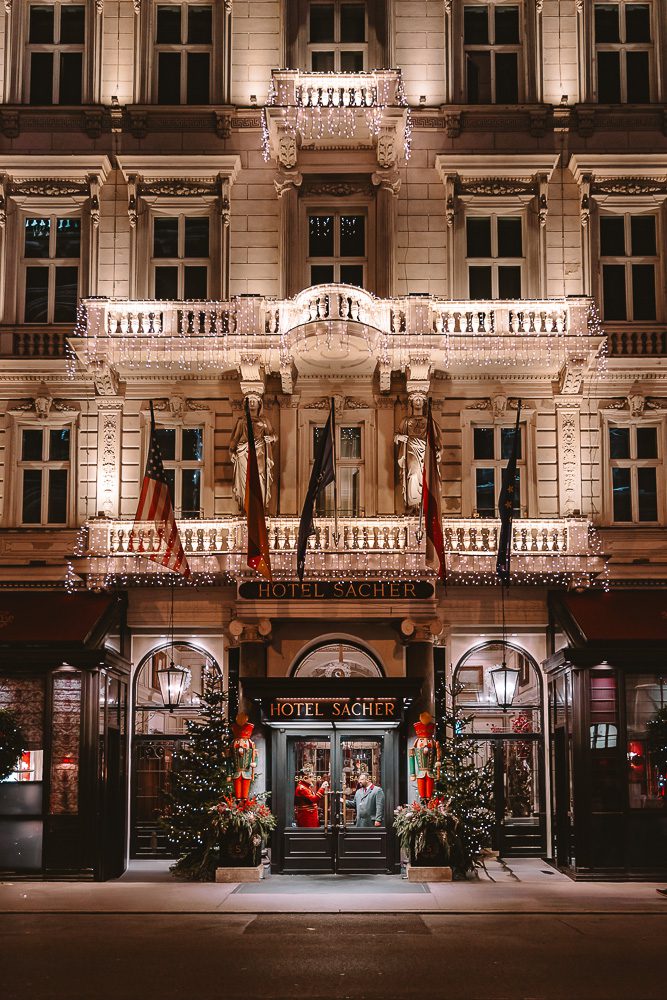
Café Sacher Wien
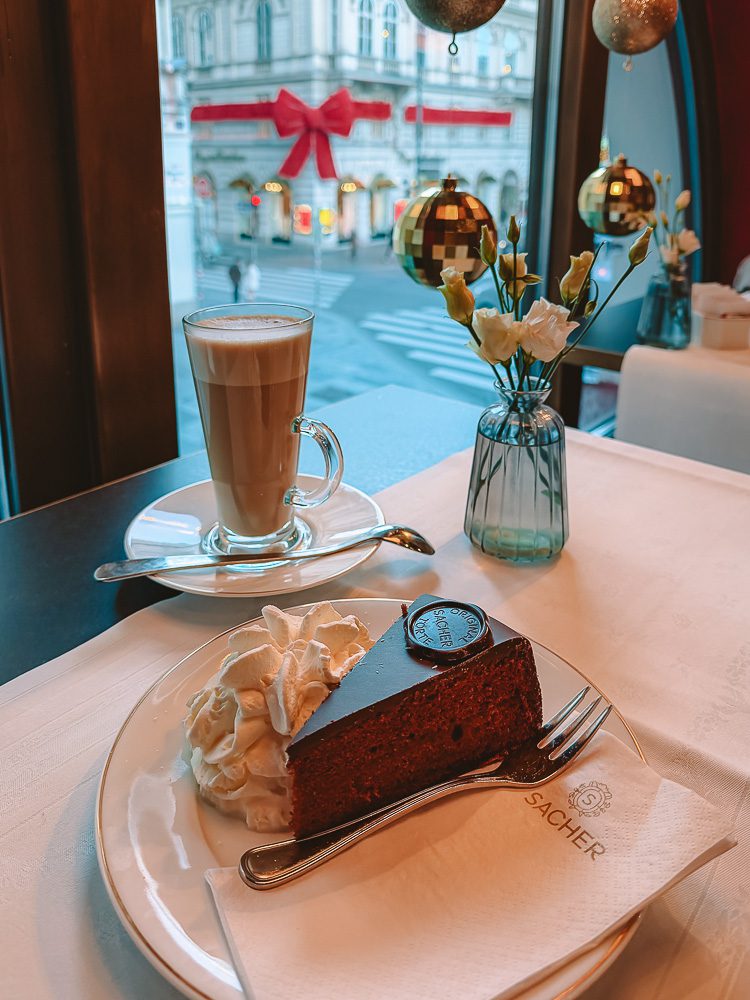
Opened in 1876, Café Sacher is synonymous with the original Sachertorte, Vienna’s most famous chocolate cake. Invented in 1832 by Franz Sacher for Prince Metternich, this dense chocolate cake with apricot jam and whipped cream has become a symbol of Viennese tradition. The café’s red velvet décor and chandeliers capture the elegance of the city’s coffeehouse culture.
Tip: Expect queues during peak hours. I went straight at opening and it was perfect for breakfast. Coffee and cake are around €20 per person.
6. The Austrian National Library
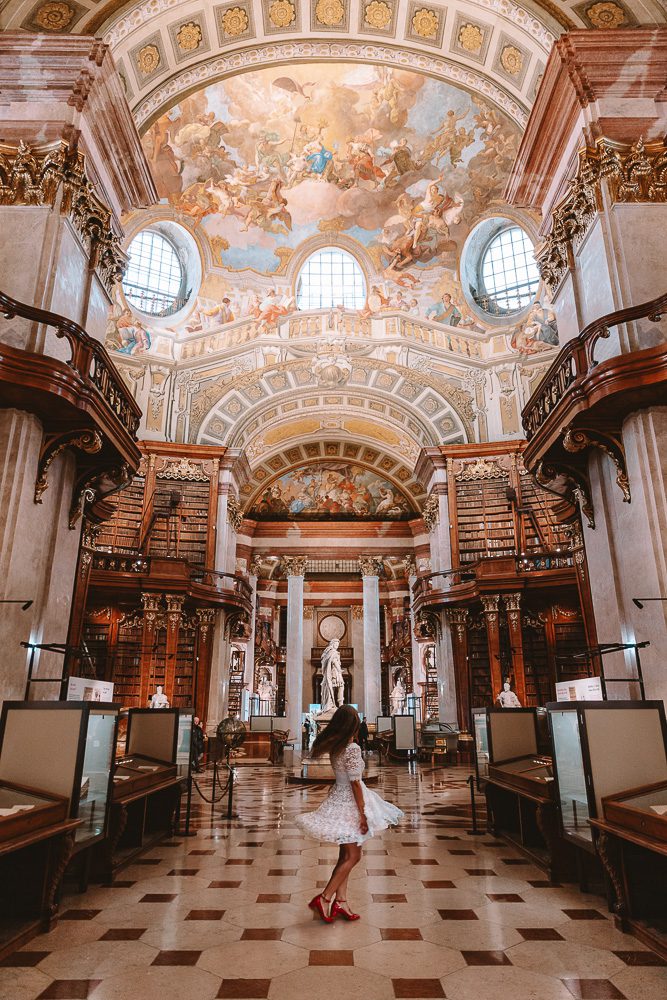
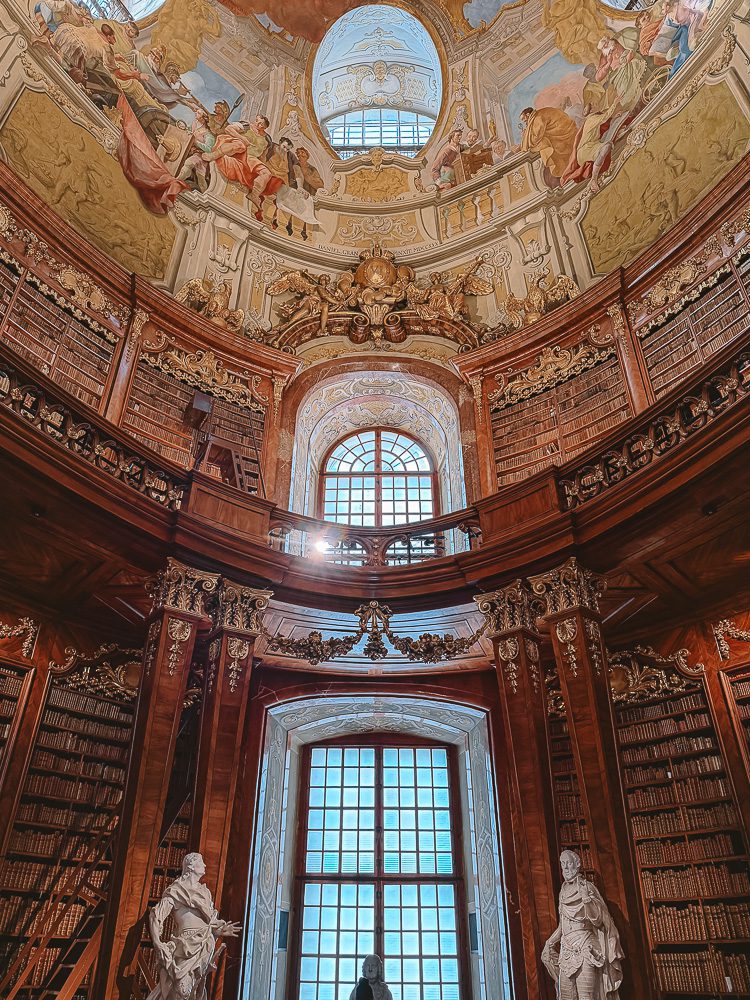
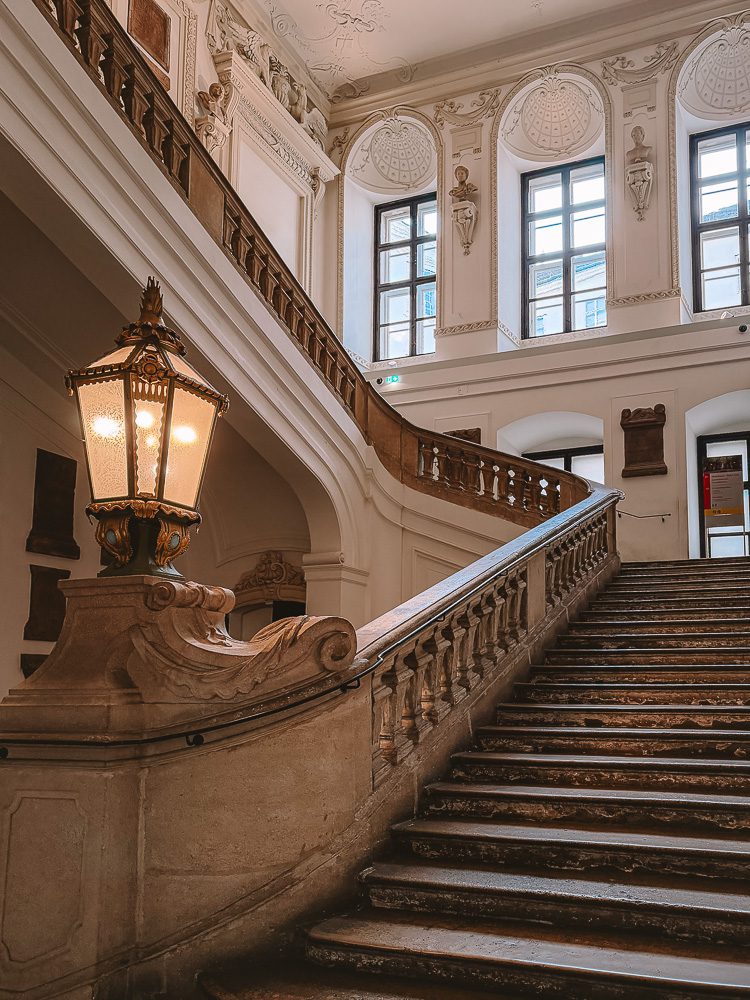
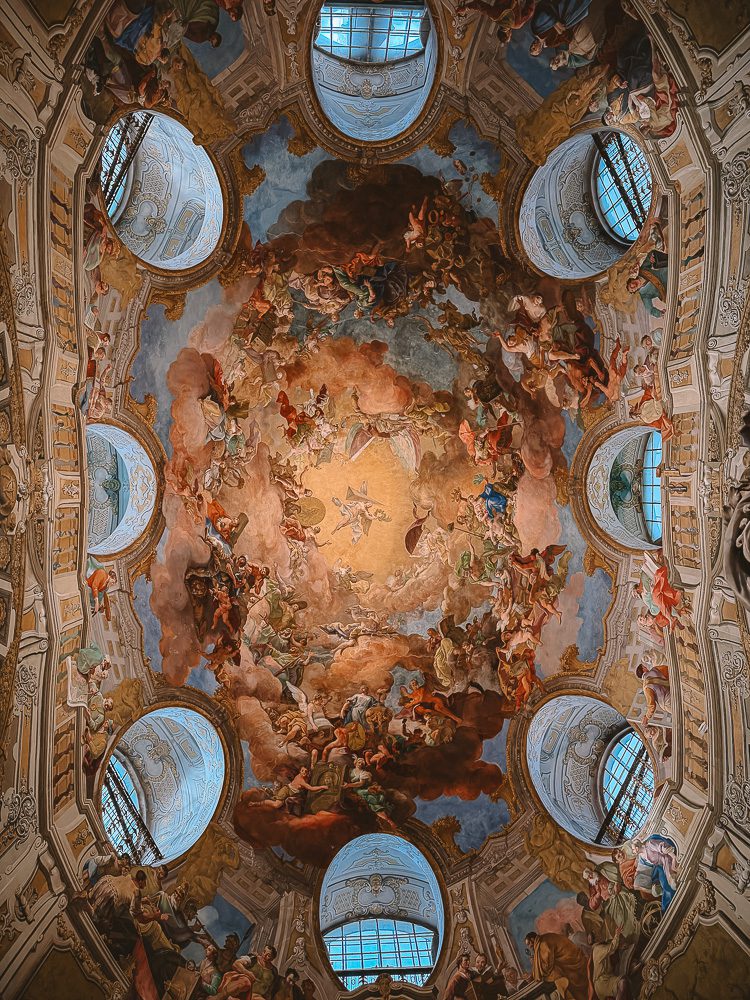
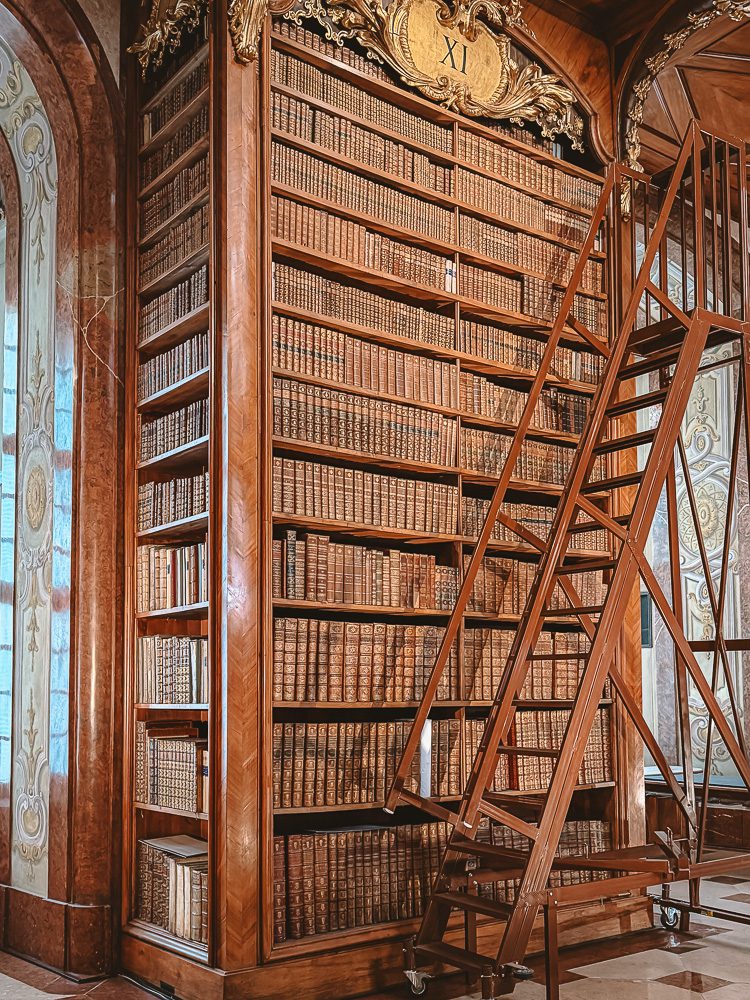
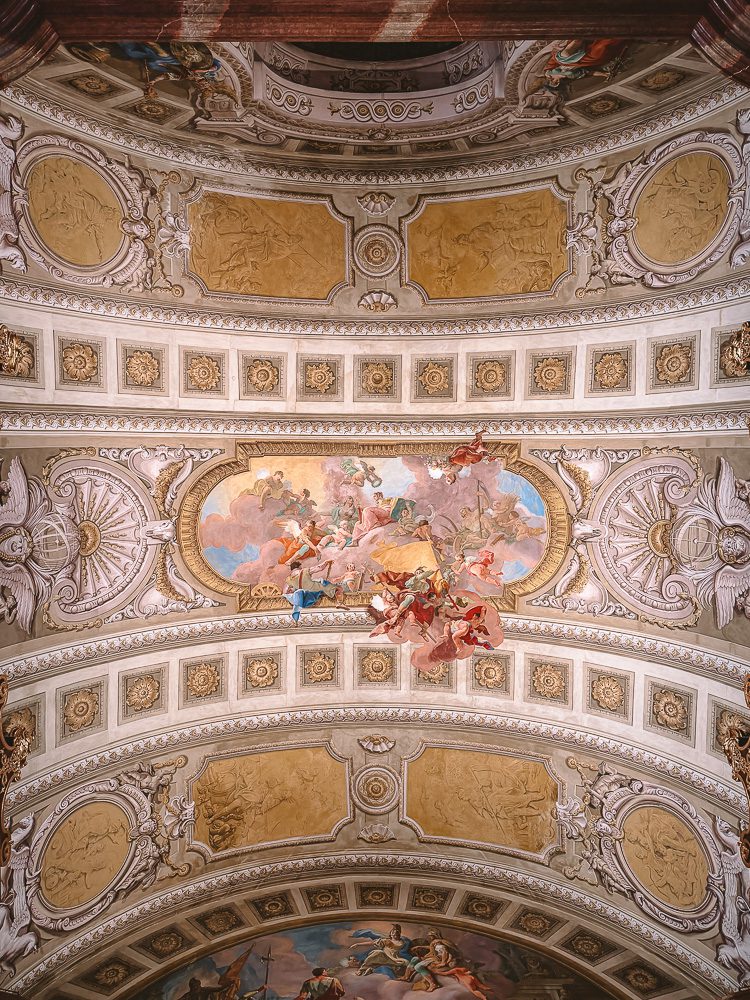
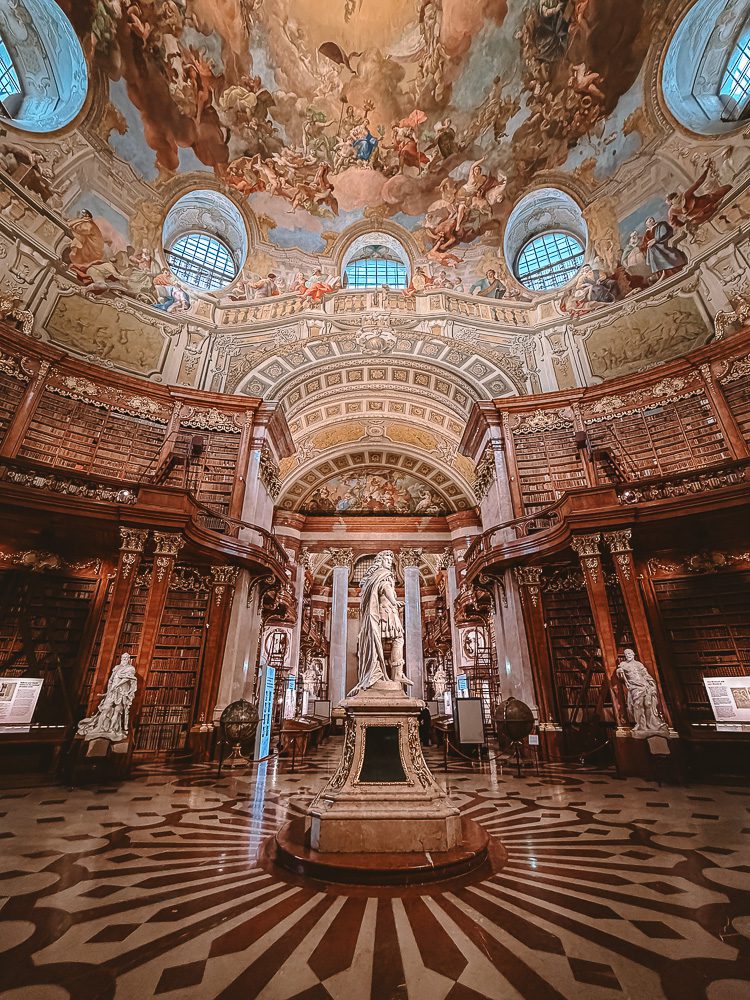
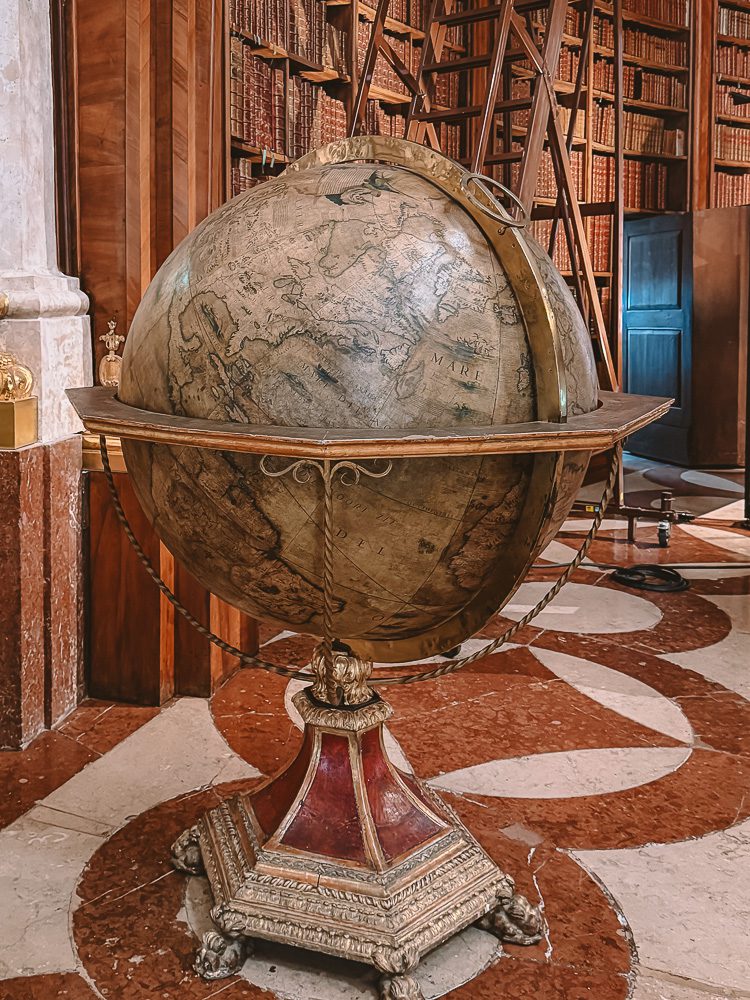
Located inside the Hofburg Palace, the Austrian National Library’s State Hall (Prunksaal) is one of the most beautiful historic libraries in the world. Commissioned by Emperor Charles VI in the 18th century, it features Baroque frescoes, marble statues, and more than 200,000 antique volumes.
Tip: Opens Tuesday to Sunday, 10:00 a.m. – 6:00 p.m. Tickets €11.00. Photos are allowed without flash. I recommend arriving 15-20min before opening and booking your tickets online so you can be the first inside and take photos / videos without anyone. The library is in the first floor so just go straight there.
7. Kunsthistorisches Museum
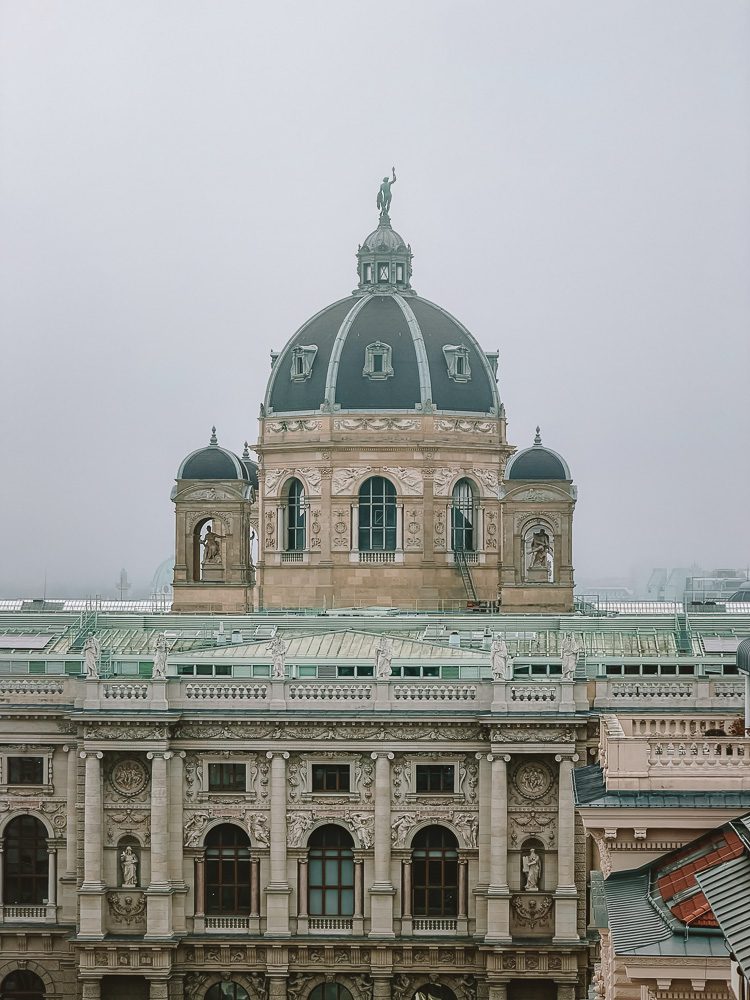
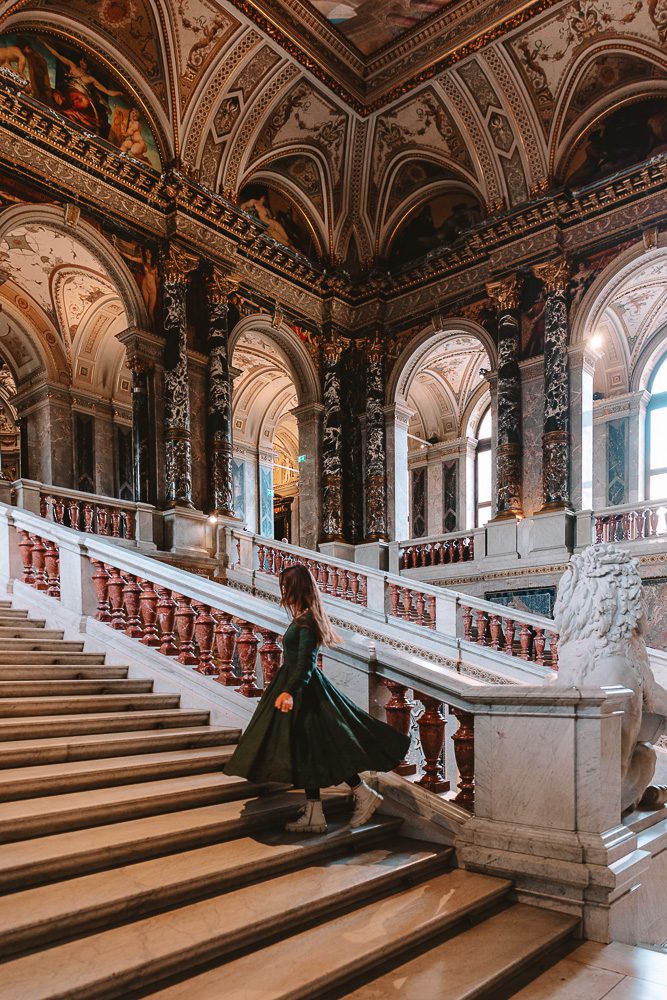
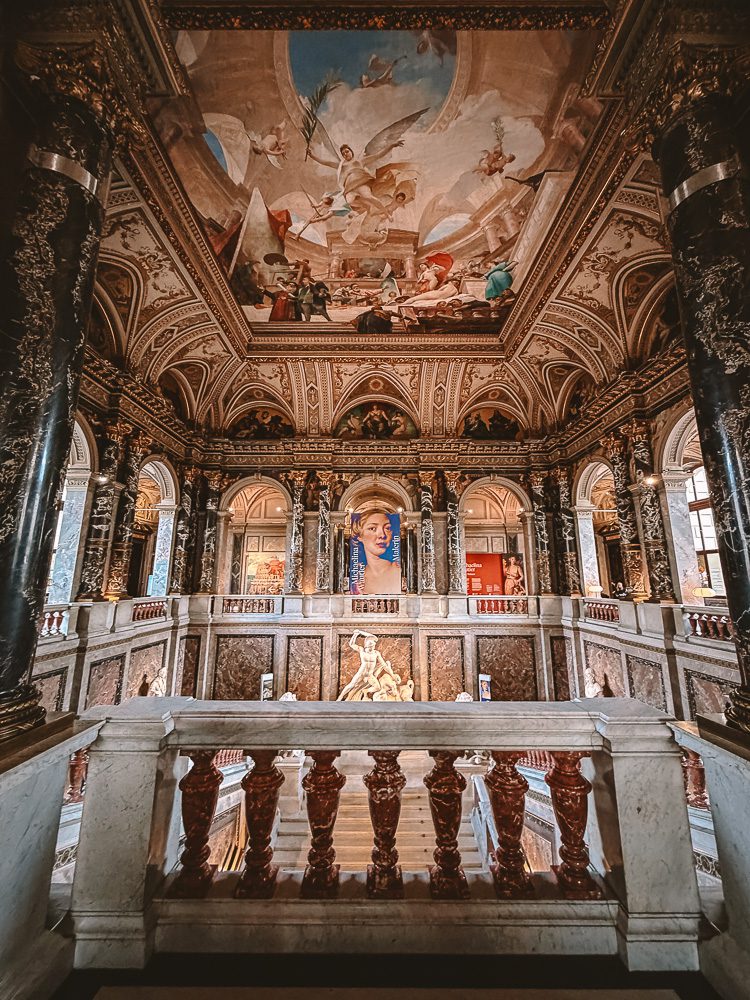
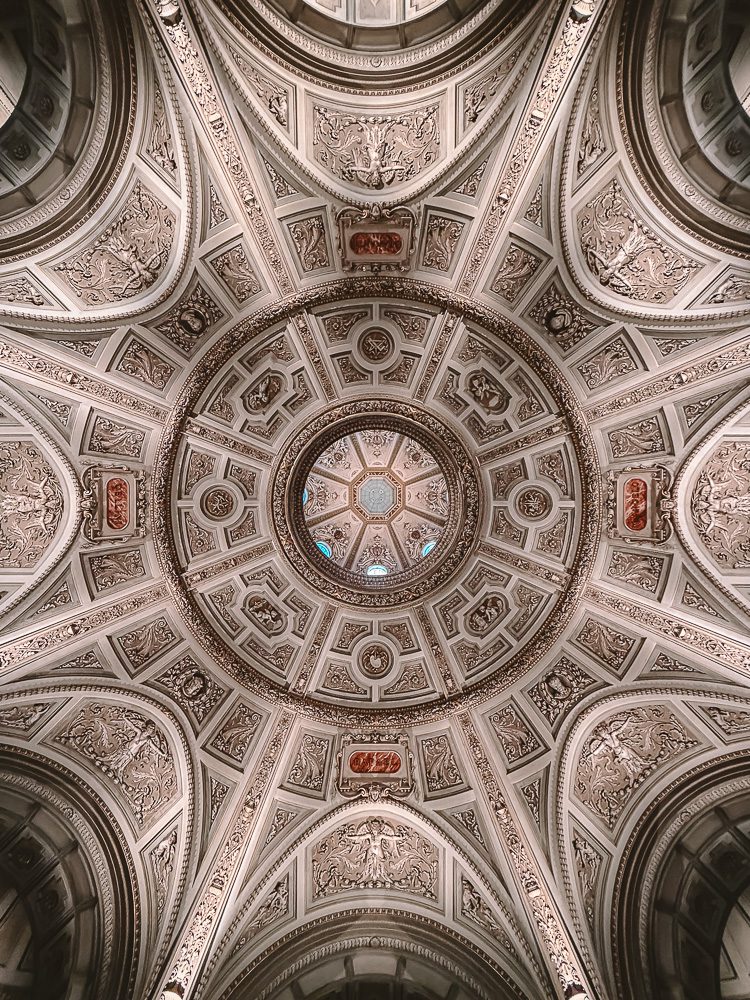
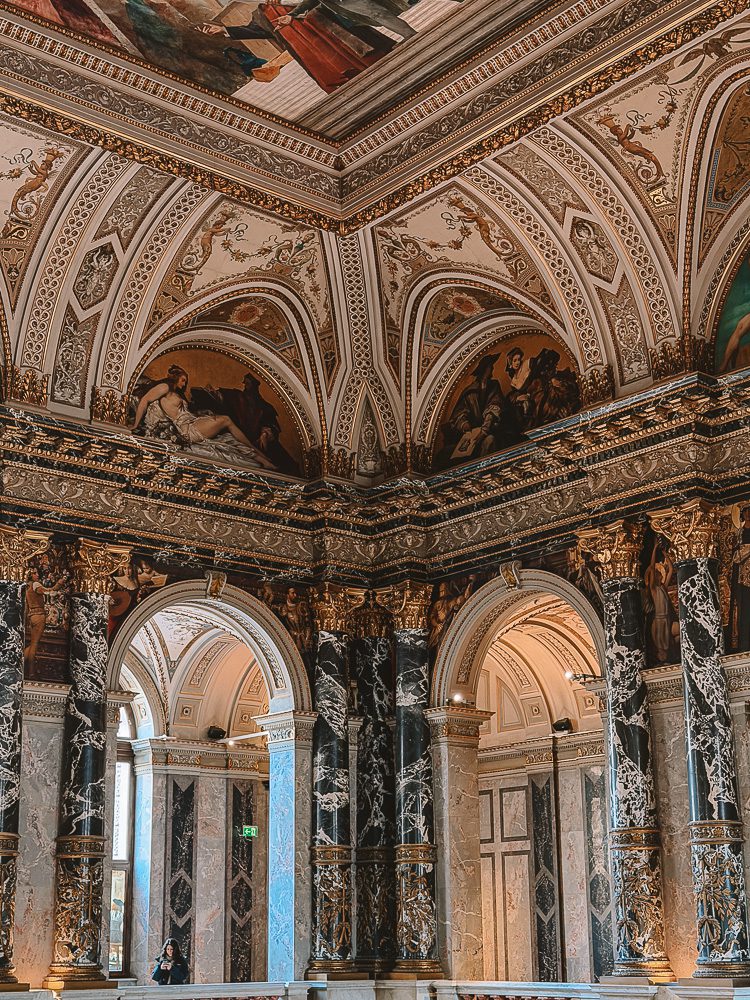
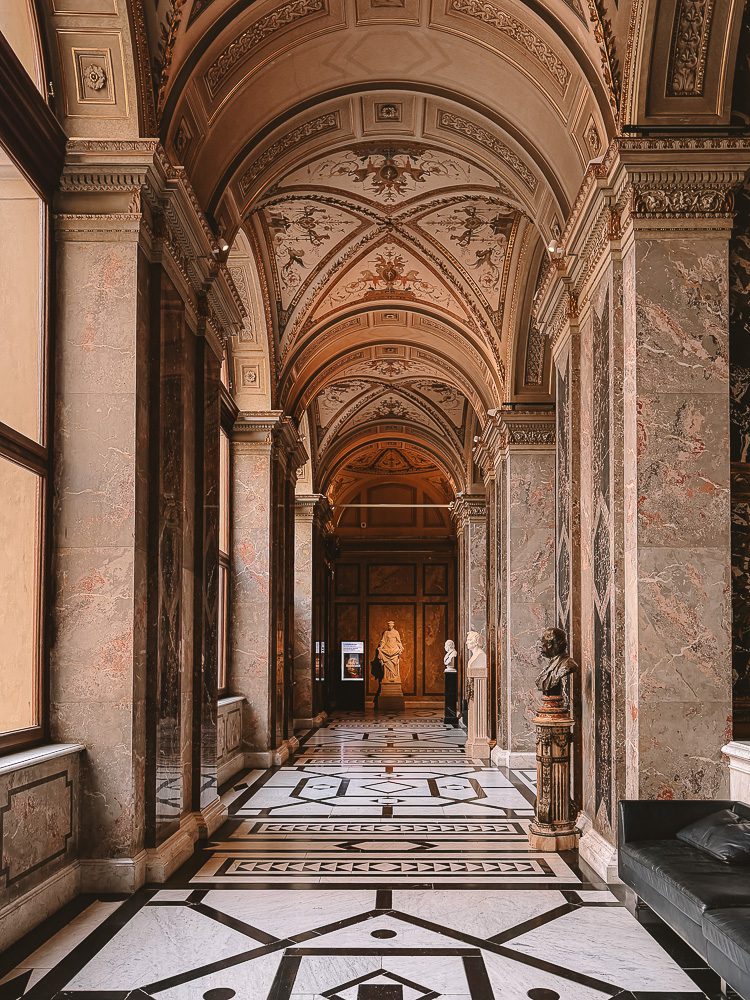
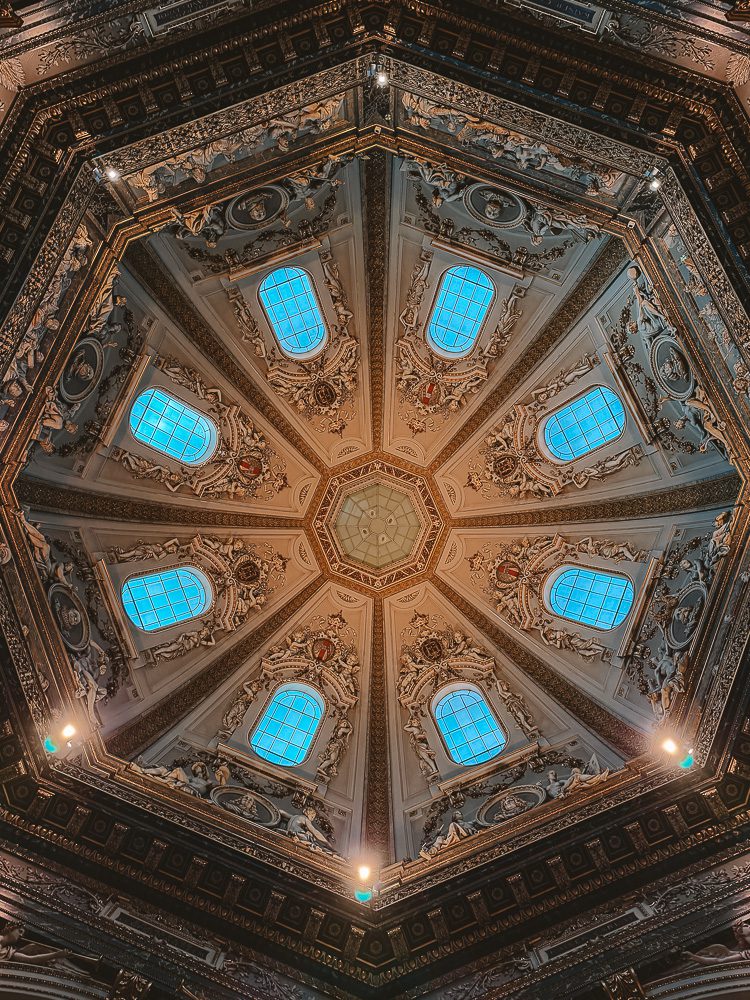
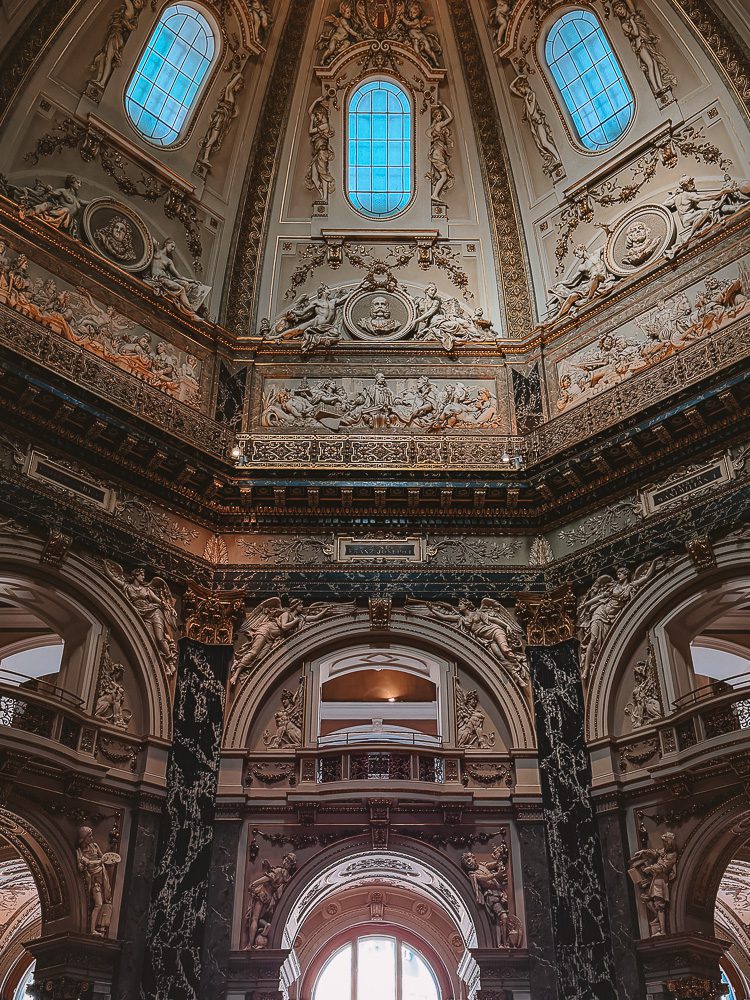
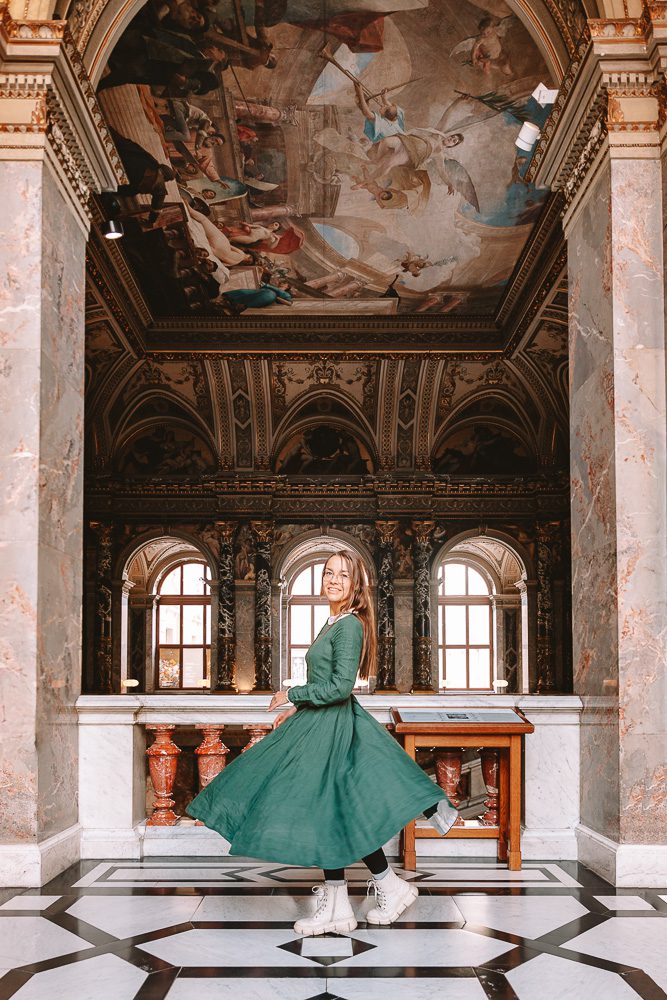
Facing its twin Natural History Museum, the Kunsthistorisches Museum (Museum of Fine Arts) was inaugurated in 1891 by Emperor Franz Joseph I. Its architecture alone with domed ceilings, marble columns, and grand staircases is worth the visit. Inside, the collection spans from Egyptian antiquities to Renaissance masters like Titian, Rubens, and Vermeer.
Tip: Open Tuesday to Sunday, 10:00 a.m. – 6:00 p.m. Tickets €22.00 and I recommend booking in advance as it gets sold out quite fast. Don’t miss the museum café under the dome, the food is relatively good (nice Apfelstrudel) and the view is so worth it. If you go, try going before it gets too busy at 11:30 a.m. and you can finish exploring the museum after.
8. Palais Daun-Kinsky & Jesuitenkirche
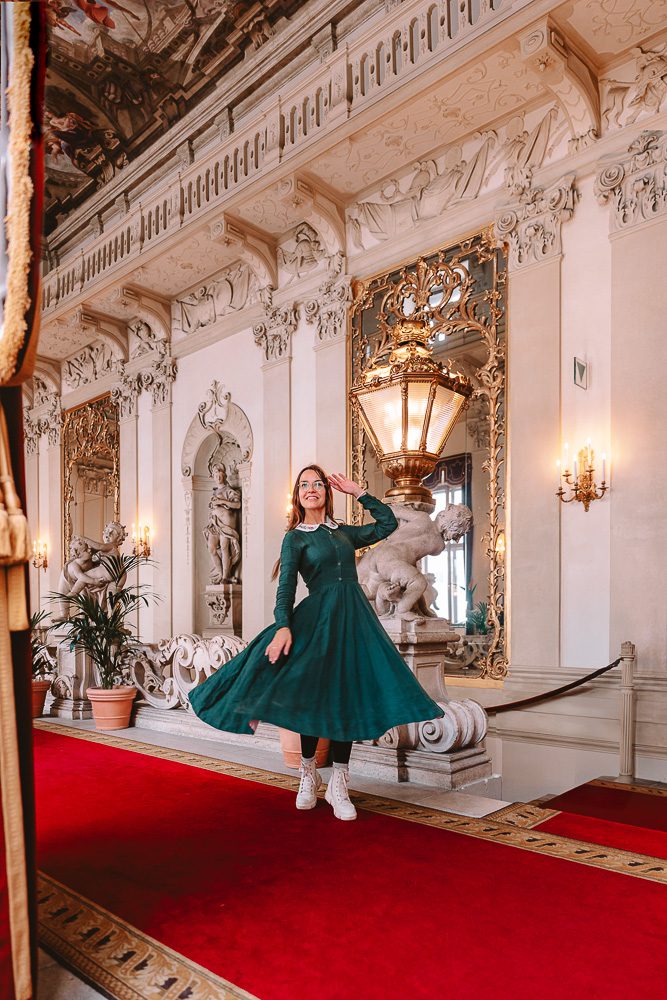
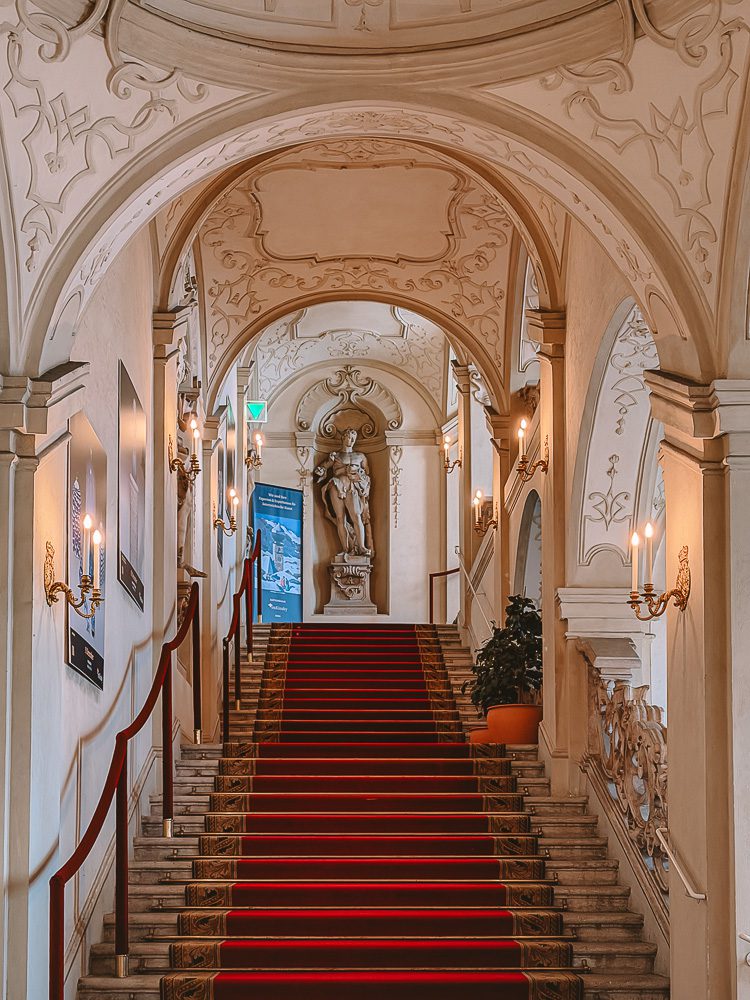
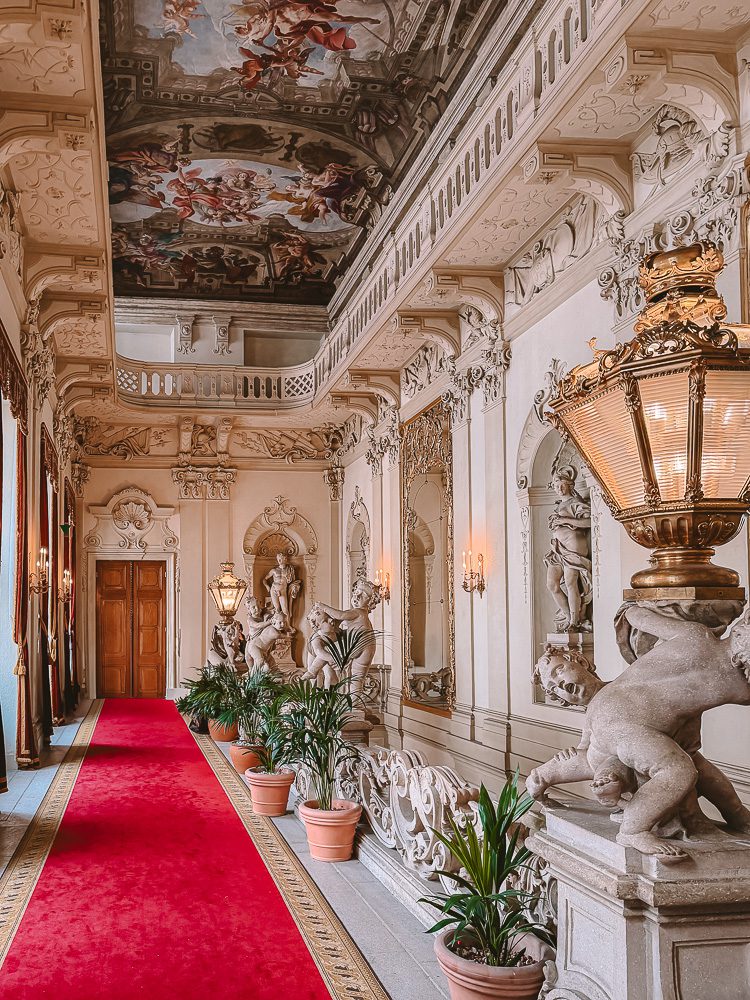
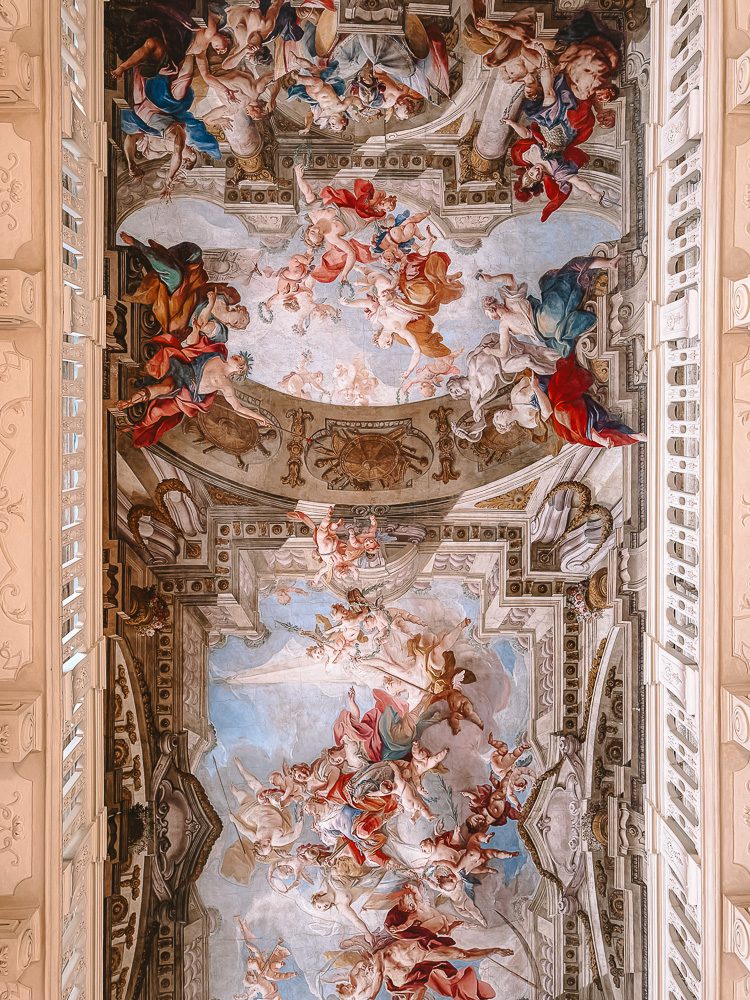
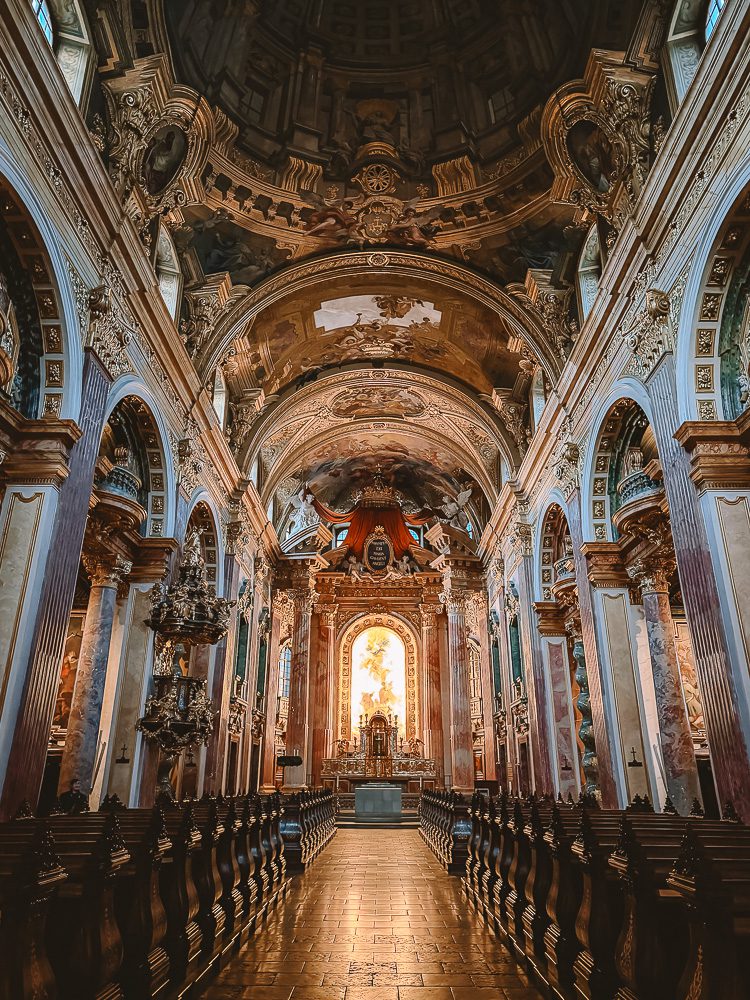
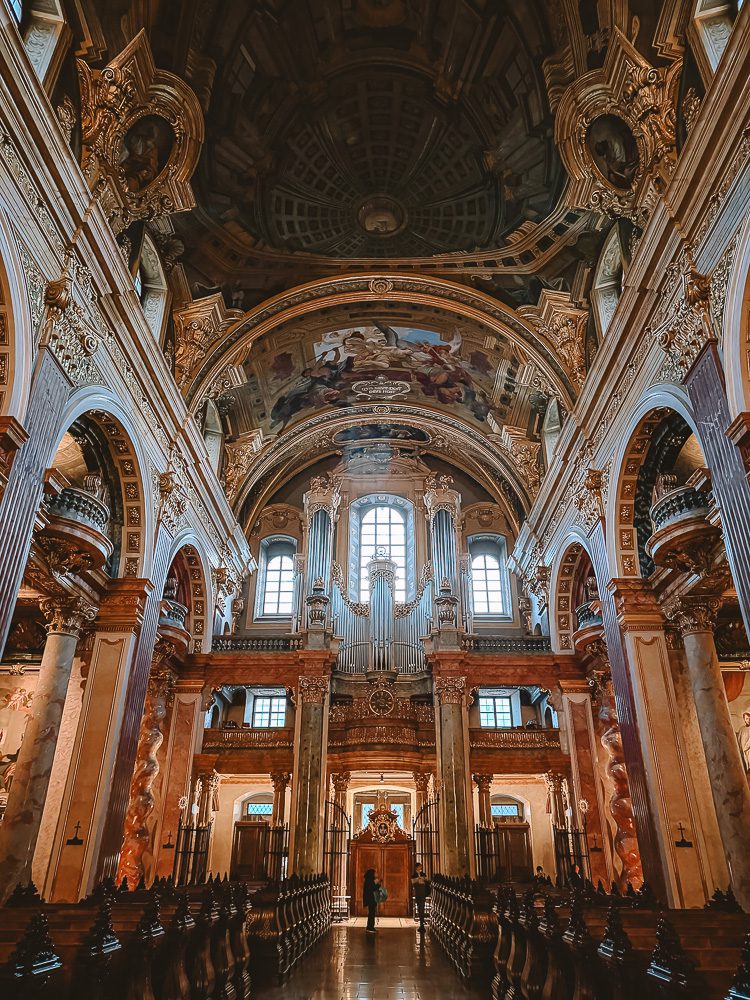
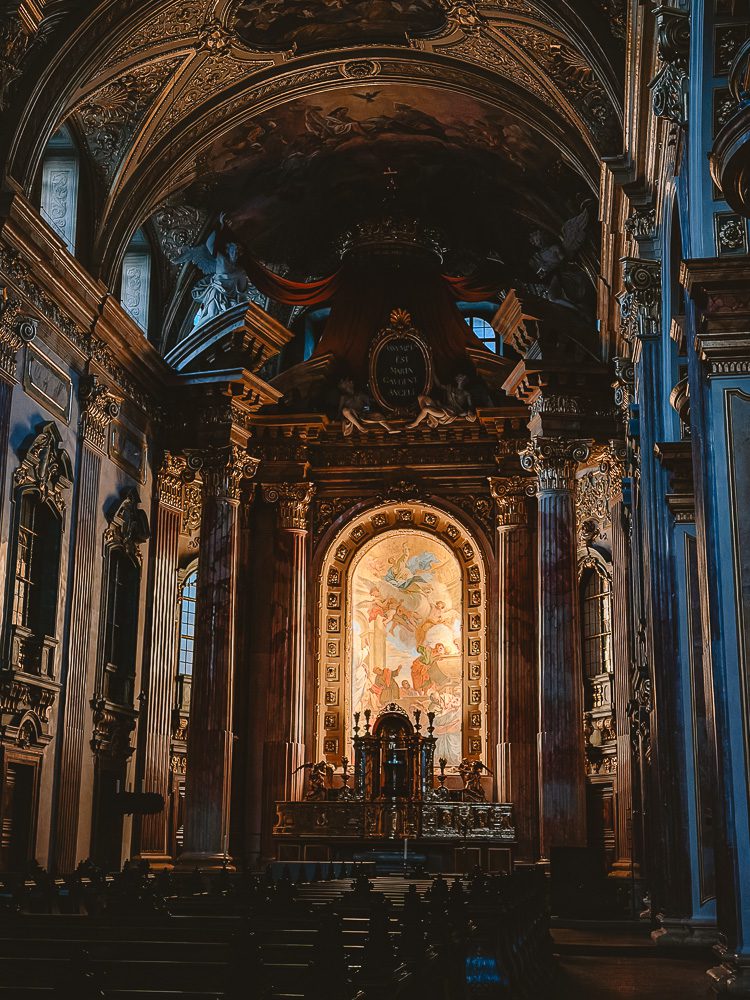
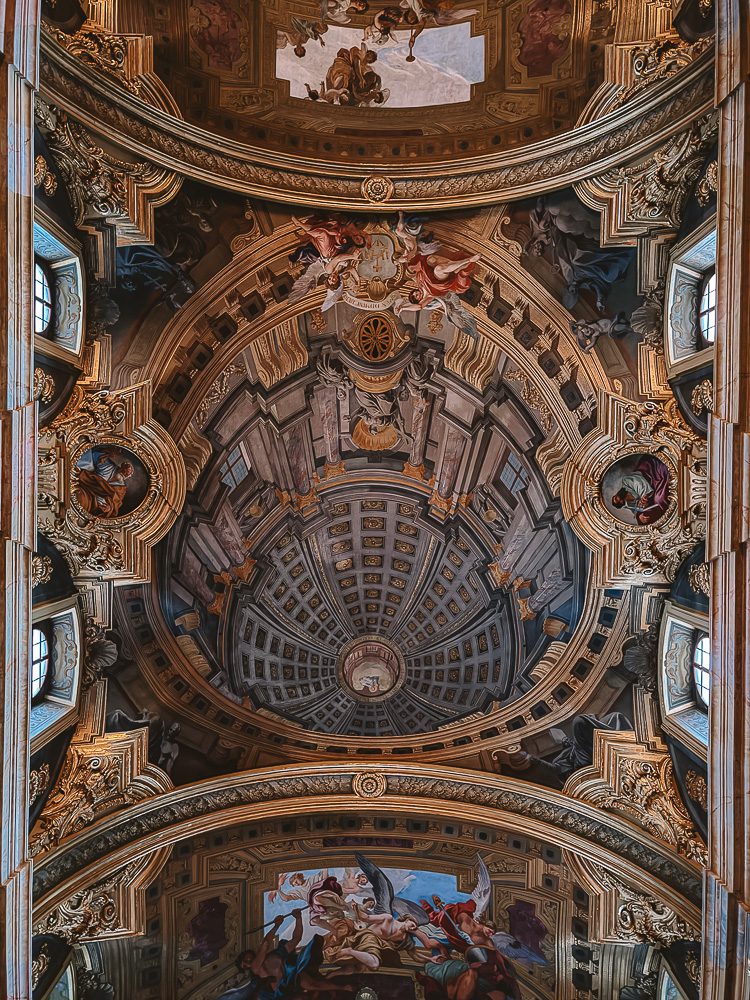
Just a few steps away, Palais Daun-Kinsky (1713) is a fine example of early Baroque city palaces, with stucco ceilings and gilded mirrors. Today, it hosts events and exhibitions, and entry is free. The nearby Jesuitenkirche is one of Vienna’s most ornate churches, rebuilt in 1703 in Baroque style with illusionistic frescoes and marble-like columns.
Tip: Palais Daun-Kinsky opens Monday to Friday, 10:00 a.m. – 6:00 p.m, free entry. Jesuitenkirche opens daily 7:00 a.m. – 7:00 p.m.
9. Graben Street and Stephansdom
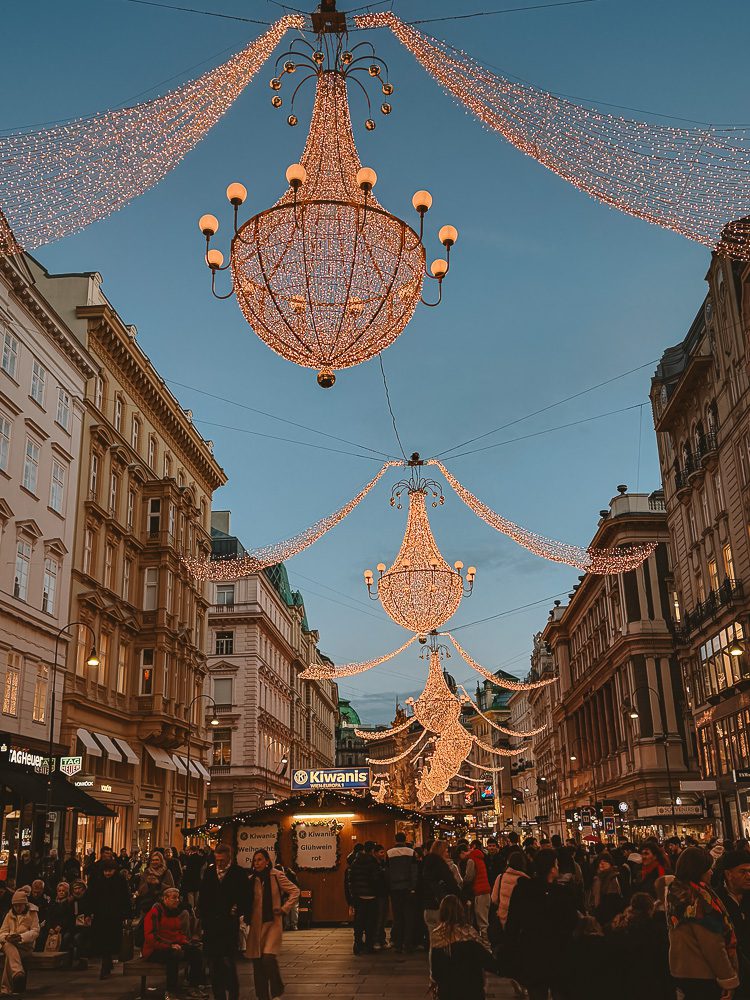
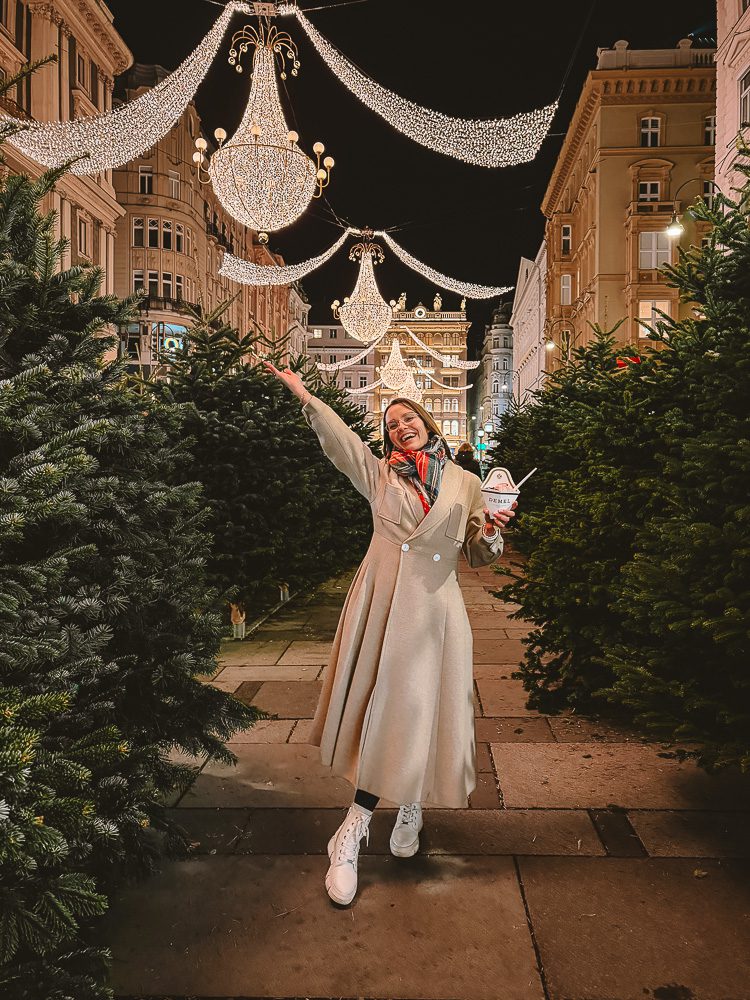
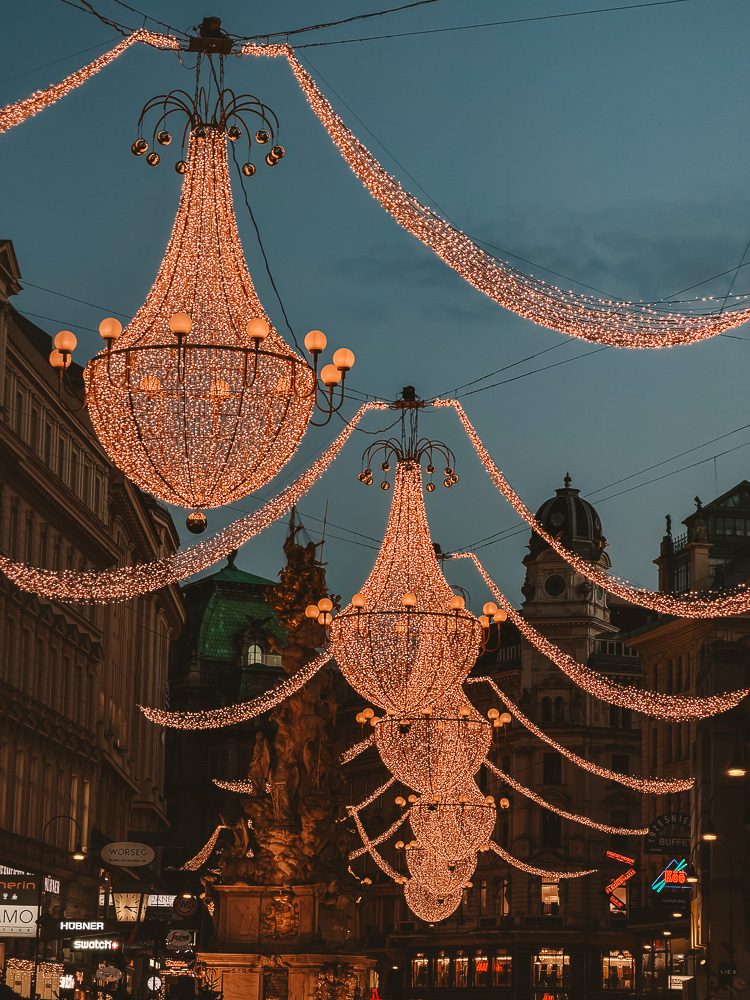
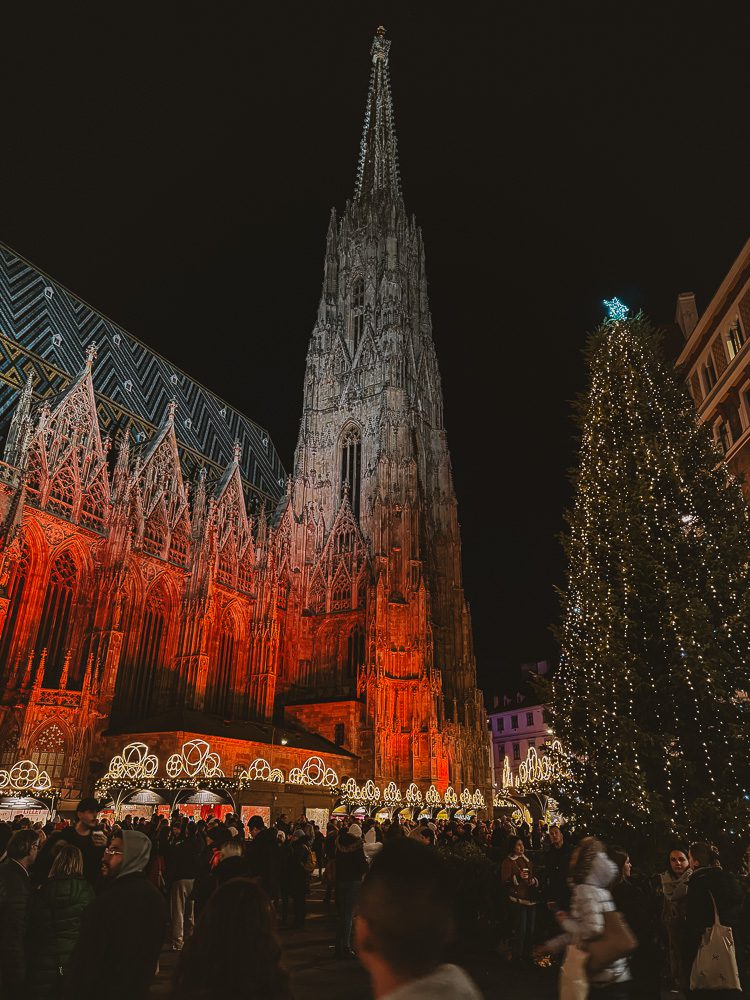
Walk down Graben Street, one of Vienna’s main pedestrian boulevards, lined with elegant façades and the 17th-century Pestsäule (Plague Column), built to commemorate the end of the Great Plague of 1679. At the end of the street stands St. Stephen’s Cathedral, Vienna’s Gothic masterpiece and spiritual heart. Its colorful tiled roof and 137-meter-high south tower dominate the skyline.
Tip: Cathedral open daily 6:00 a.m. – 10:00 p.m. South Tower climb €6.00, North Tower elevator €8.00.
10. Vienna Symphony Concert at Stephansdom
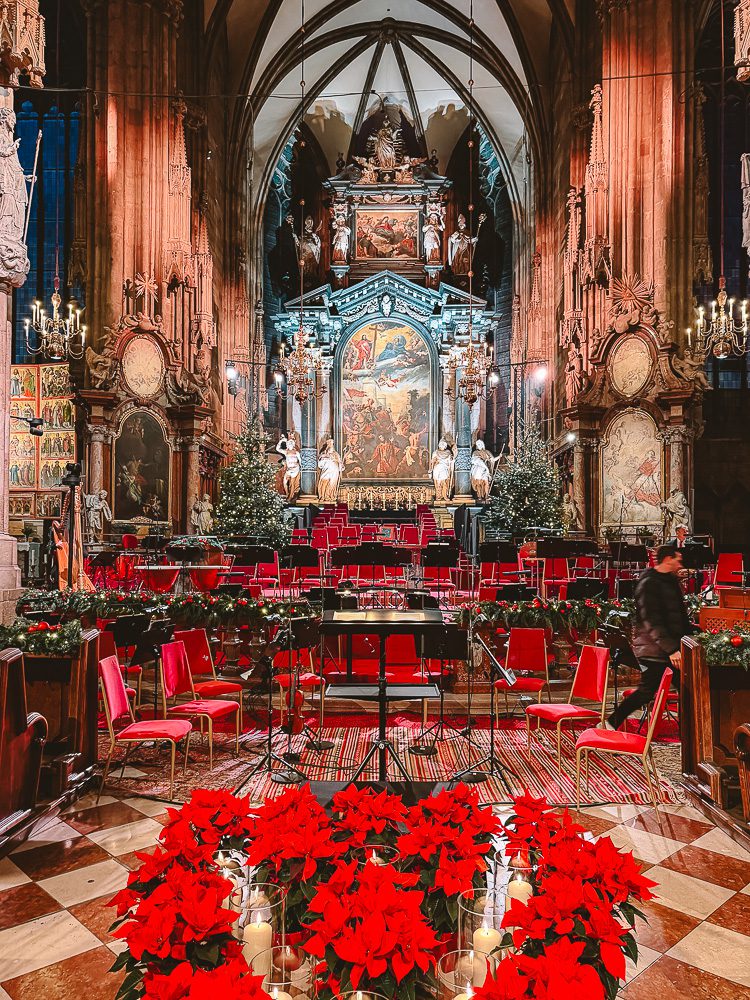
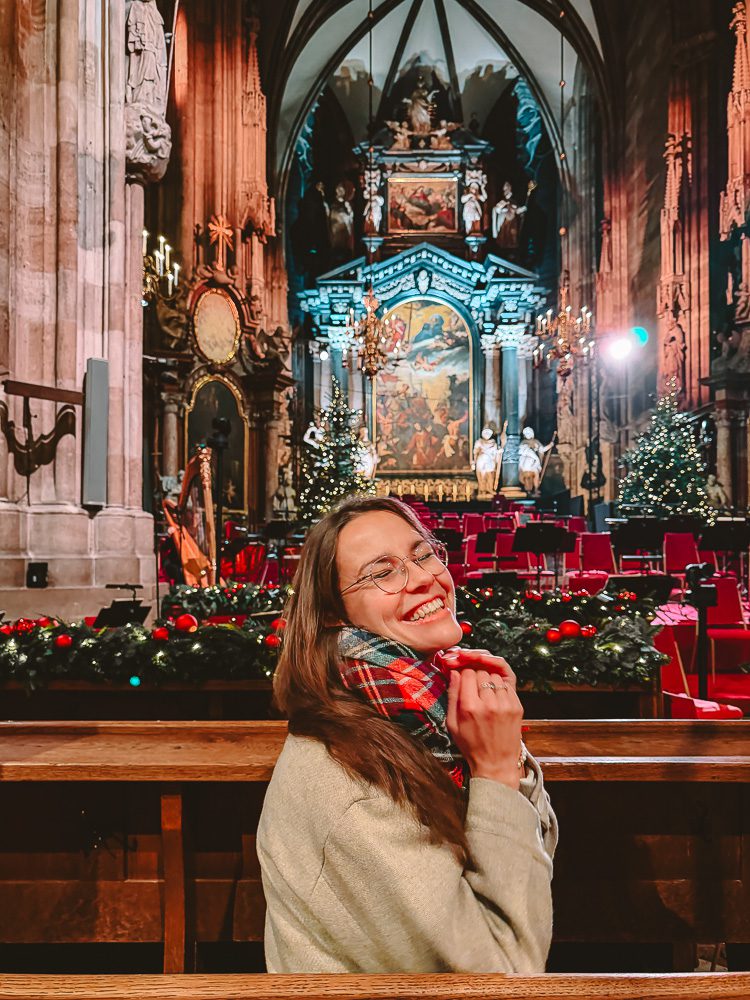
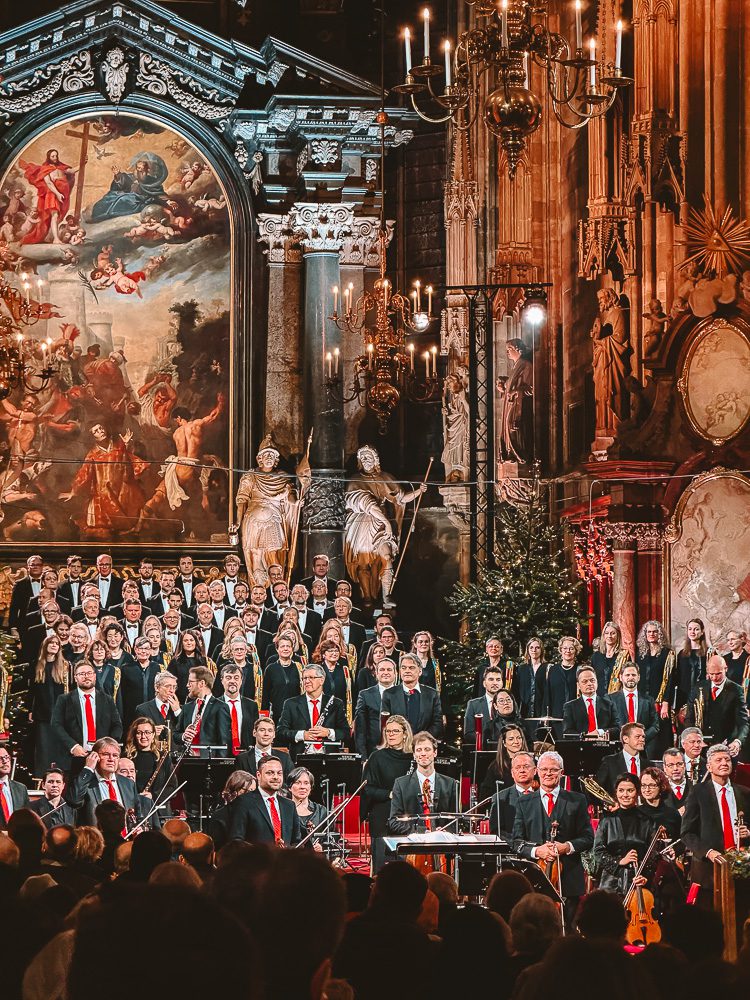
For an authentic musical experience, attend a concert or rehearsal inside Stephansdom. The combination of classical music and Gothic architecture makes it truly unforgettable. Tickets start around €15 and can be booked in advance online. I was lucky enough to visit right on the Advent concert by the Vienna Symphonic Orchestra, which only happens once a year, and it was just magical.
11. Demel Café
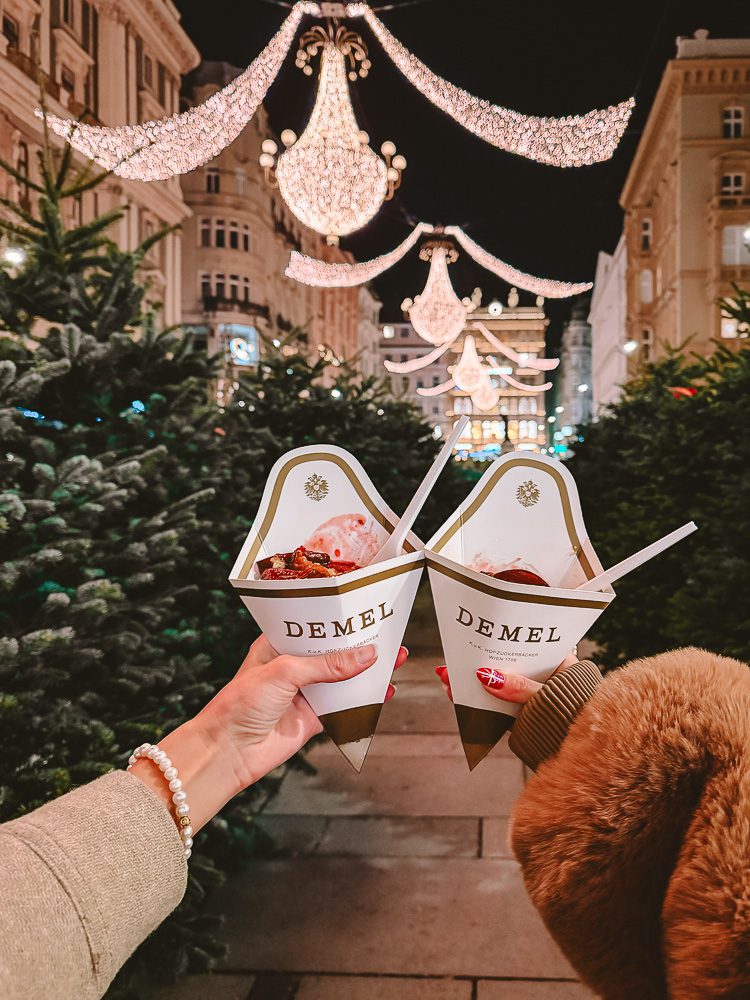
End your visit at Demel, the legendary confectionery founded in 1786 and once a supplier to the Imperial Court. Inside, you can watch pastry chefs prepare Viennese desserts through a glass kitchen wall. Their Kaiserschmarrn (shredded pancake with powdered sugar and jam) is a must and you can’t leave Vienna without having it at least once!
Tip: The original café (Kohlmarkt) opens daily 8:00 a.m. – 7:00 p.m. They don’t take reservations so arrive early for a table. The Kaiserschmarrn (take away) on Stephanplatz was still open at 8pm when the concert ended.
When to visit
Vienna is a year-round destination, but the atmosphere changes beautifully with each season.
- Spring (April–June): Expect mild weather and blooming parks. It can be quite busy, particularly from late April to mid-June, when festivals and outdoor cafés attract both tourists and locals. It’s a wonderful time to visit, but book accommodation in advance.
- Summer (July–August): Warm, lively, and eventful, with open-air concerts, outdoor cinema, and bustling terraces. However, many locals leave for holidays in August, and some smaller shops or restaurants may close temporarily.
- Autumn (September–October): One of the best times to visit. The weather is still pleasant, the city feels calmer after summer, and the golden light is perfect for photography.
- Winter (November–December): The most magical (yet busiest) time of year. Christmas markets, concerts, and decorations fill the city from mid-November until Christmas. Expect high hotel rates and crowds at major sights, but also unforgettable atmosphere.
If you enjoy atmospheric cities and don’t mind the cold, December is truly one of the best times to visit Vienna.
How to Get There & How to Get Around
- By Plane: The easiest way to reach Vienna is via Vienna International Airport (VIE), located about 20 km southeast of the city center. Trains (ÖBB Railjet or CAT City Airport Train) connect the airport to Wien Hauptbahnhof or Wien Mitte in 15–20 minutes.
- By Train: Vienna is well connected to other European capitals, just 2.5 hours from Budapest, 4 hours from Prague, and 4.5 hours from Munich.
- By Car: If you’re on a European road trip, highways are excellent, but parking in the city center can be limited and expensive. Opt for hotels with private parking or stay slightly outside the center near a metro station.
Vienna’s public transport is clean, safe, efficient and it runs almost everywhere you’ll want to go. A single ride costs €2.40 and covers metro, trams, and buses. If you’re staying a few days or plan to use the subway a lot, then the Vienna City Card can be a good option. It also includes discounts at museums and cafés. To be honest, the historic center is compact and best explored on foot.
What & where to eat in Vienna
Vienna is heaven for food lovers: a mix of grand cafés, hearty traditional dishes, and elegant desserts that reflect the city’s imperial past. I didn’t get to try every restaurant myself (most of my meals were at the Christmas markets, and honestly, they were delicious), but these recommendations come from local friends and fellow travelers.
Traditional Dishes to Try
- Wiener Schnitzel: The city’s signature dish: a thin, crispy veal or pork cutlet served with lemon and potato salad.
- Tafelspitz: Boiled beef with root vegetables, served with apple-horseradish sauce, a favorite of Emperor Franz Joseph.
- Kaiserschmarrn: Fluffy, shredded pancakes sprinkled with powdered sugar and served with plum or apple compote.
- Apfelstrudel: A warm apple pastry with cinnamon and raisins, best enjoyed with vanilla sauce or ice cream.
- Sachertorte: The iconic chocolate cake with apricot jam and whipped cream, a must at Café Sacher Wien.
Recommended Restaurants & Cafés
(Based on trusted local tips — not all personally tested)
- Figlmüller: Famous for its enormous Wiener Schnitzel, just steps from St. Stephen’s Cathedral.
- Gasthaus Reinthaler: A classic, no frills Viennese restaurant, serving traditional Austrian dishes.
- Café Central: A legendary café once frequented by Freud and Trotsky, perfect for coffee and cake.
- Demel: Historic pastry shop known for its Kaiserschmarrn and Apfelstrudel.
- Bioparadies: next to Schönbrunn Palace, a delicious vegan shop with meals changing daily.
Christmas Market Favorites (Tried & Loved!)
If you’re visiting during December, skip formal dining for a night and eat your way through the markets, it’s part of the experience! Some of my favorites were:
- Spätzle with cheese and onions at Belvedere Market
- Soup in bread at Am Hof
- Buchteln with vanilla sauce at Altes AKH Market
- Kaiserschmarrn at Rathausplatz
- Raclette potatoes & Nutella pretzel at Belvedere Market
Even with just 48 hours, I absolutely loved my time in Vienna and can’t wait to go back. The city balances imperial grandeur with modern charm and invites you to experience beauty at your own rhythm. Visiting in December added an extra touch of magic with that unmistakable festive warmth that makes the cold feel softer.
If you’re planning your first trip to the Austrian capital, this itinerary is the perfect starting point: a taste of the city’s highlights, a bit of history, and just enough time to know you’ll want to come back. I’ve put everything I thought would be useful and necessary for you to plan your best trip there. You can also check all of my stories highlights on Instagram. As always, feel free to ask me anything via the comments or DM! Don’t forget to tag me in your stories and posts if this article inspired you!
With love,
Marina
💡 Did you know that…
By purchasing through my links, you support me at no additional cost.
Thank you for your support. ♥️
If you liked this post, pin it for later!

Wow – the photos are incredible in this blog post. I’ve been to Vienna before, but it looks like I missed some special places. Thanks for the comprehensive guide.
Author
There’s so much to do in Vienna, 48-hour wasn’t nearly enough ^^ I need to go back and spend longer!
I love the misty pictures of the Gloriette. We were there in the summer, so this is a totally different perspective.
Author
It must be so green in summer! I would love to visit in spring for all the flowers as well!
I love Vienna, and your weekend itinerary is perfect. Such great tips for first-timers. And your photos are incredible — they really capture the beauty of the city.
Author
Thank you so much!