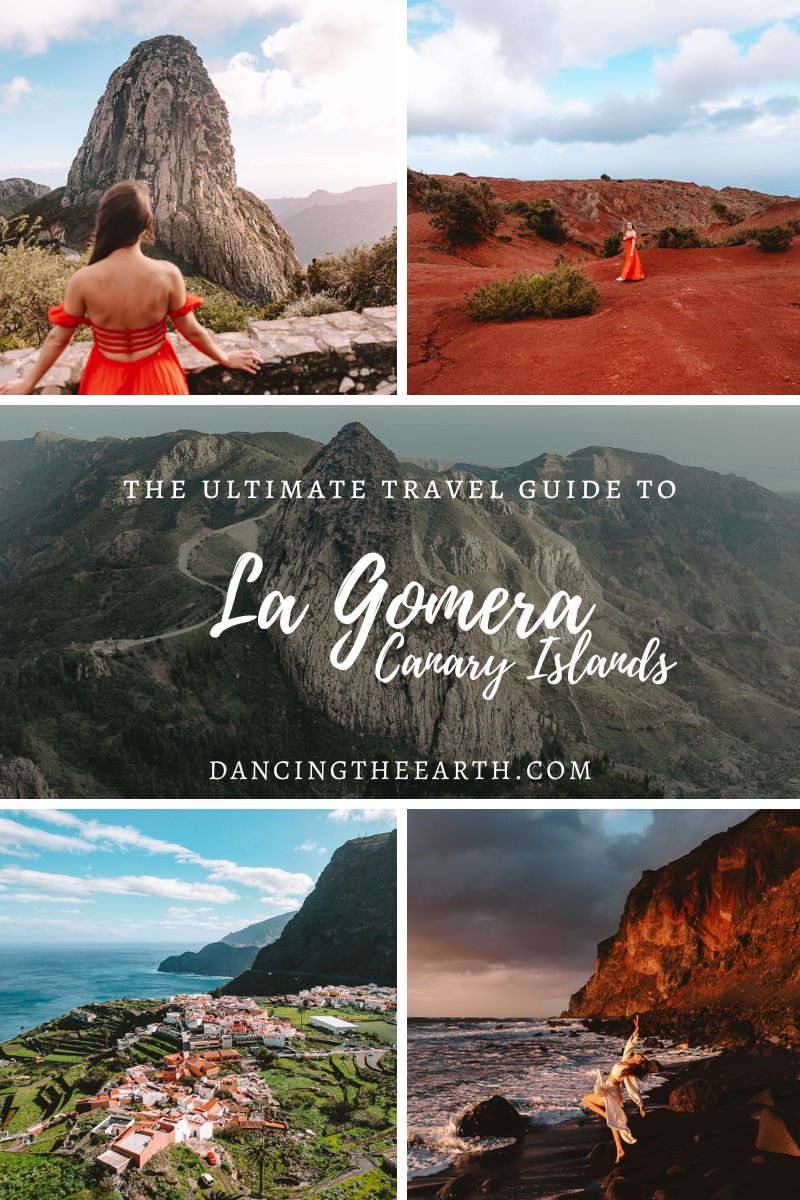
Hola from La Gomera! Have you ever heard of the magical island of the Canary Islands, la Isla Redonda? The second smallest island of the Canary, tucked between Tenerife and El Hierro, is one of the Canary Islands’ best-kept secrets. Picture a wild, circular island of deep ravines, terraced valleys filled with palm trees, misty forests, and quiet black-sand beaches and you’ll get the beautiful island of La Gomera. It’s the place where time slows down, where nature still rules, and where every road curve reveals a new view. Keep reading for the ultimate travel guide to La Gomera to help you plan your next trip!
One-Week Itinerary: Discover the Best of La Gomera
La Gomera has something for everyone, from stunning clear waters to ancient forests, deserted black-sand beaches, dizzying cliffs and charming little villages. Here is the ultimate one-week itinerary in La Gomera, optimized to limit your time on the winding roads.
Days 1–2: Agulo & Hermigua
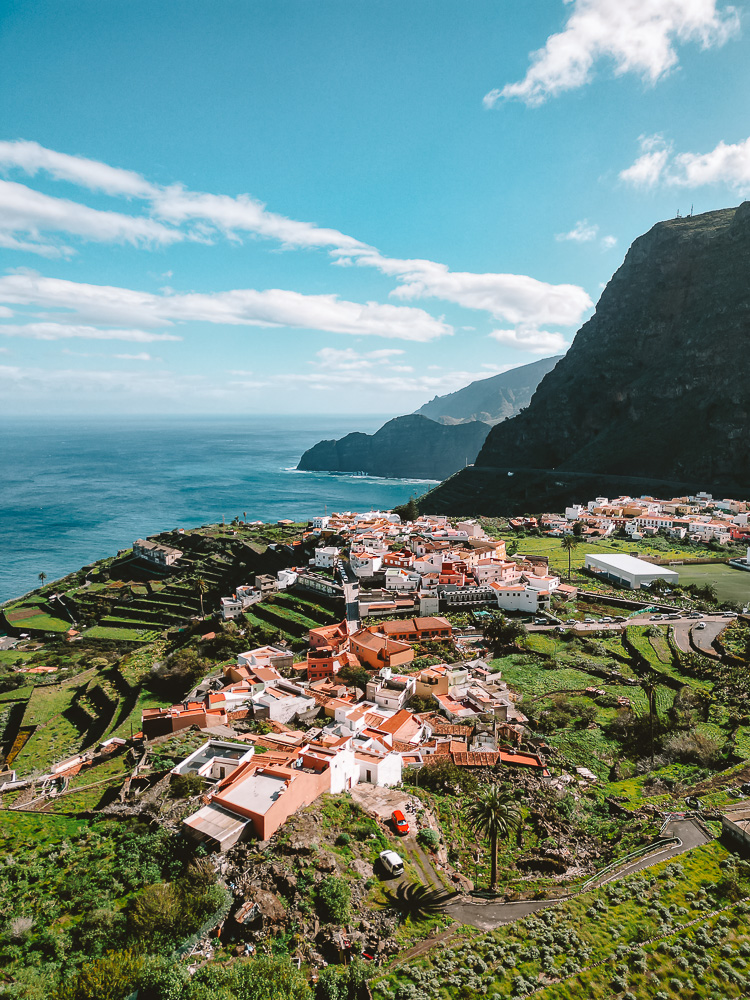
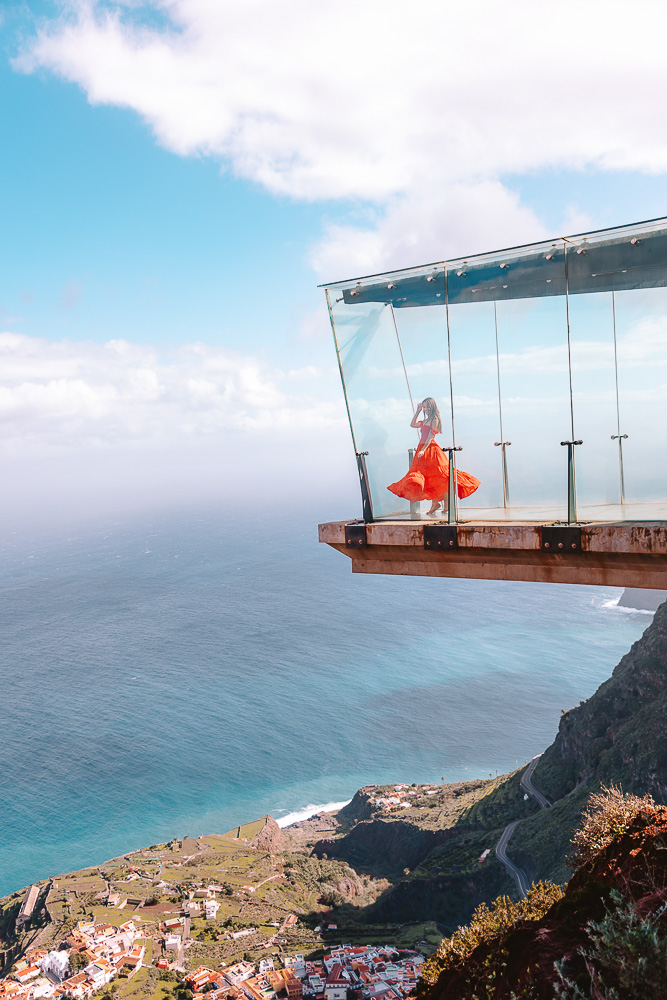
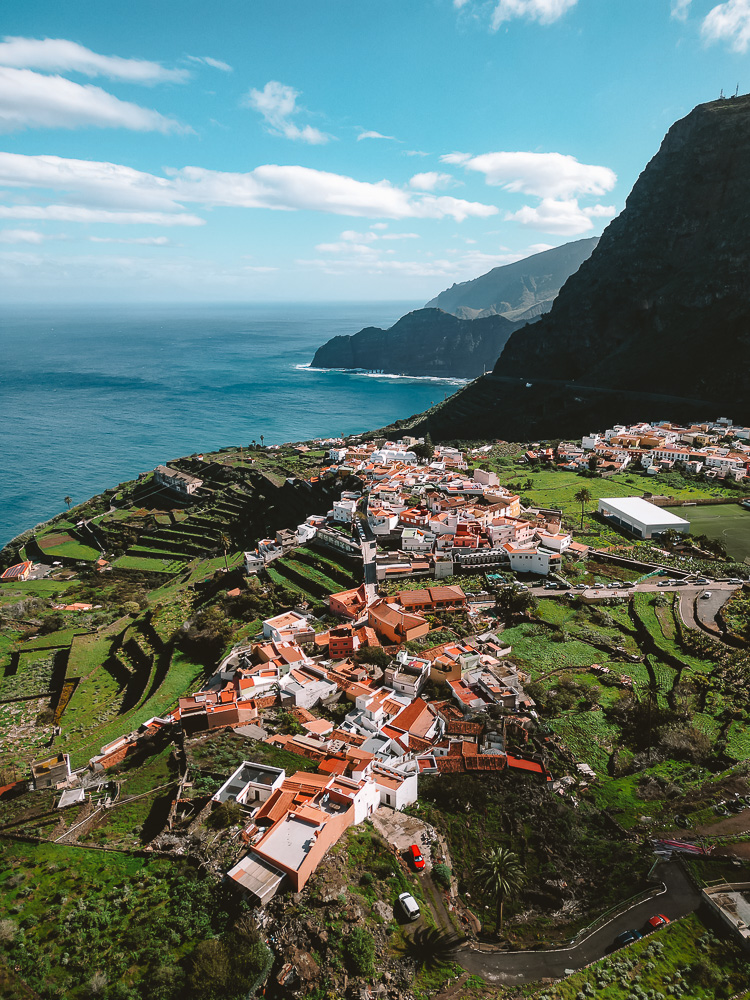
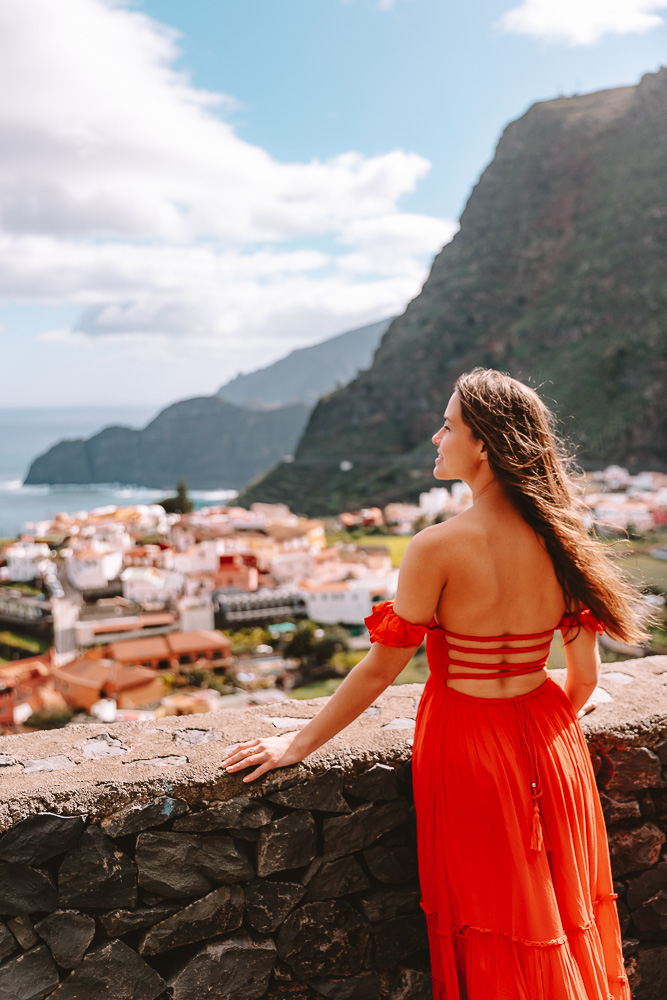
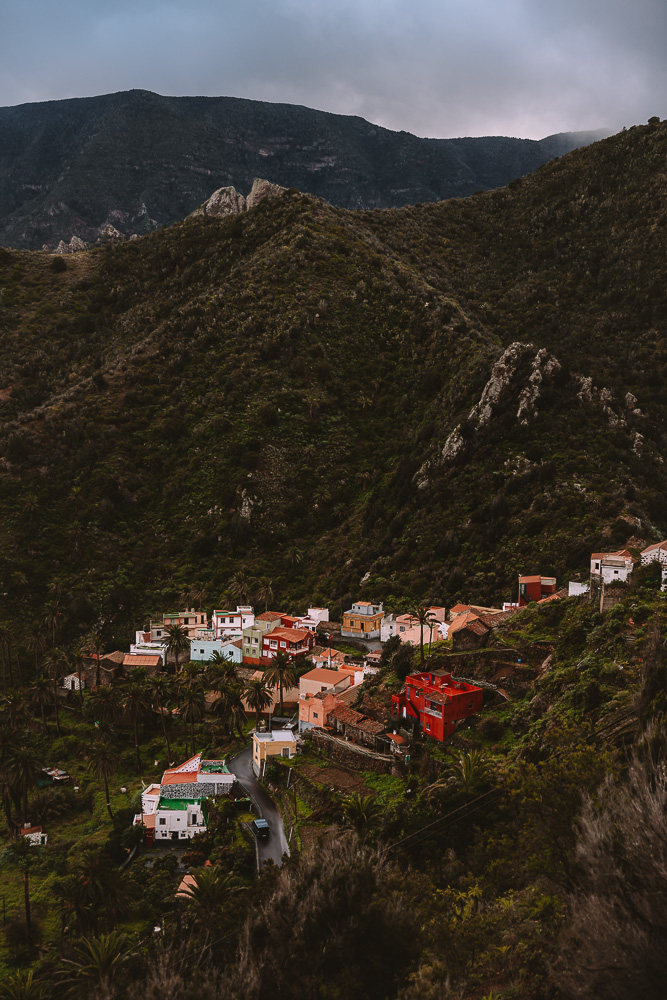
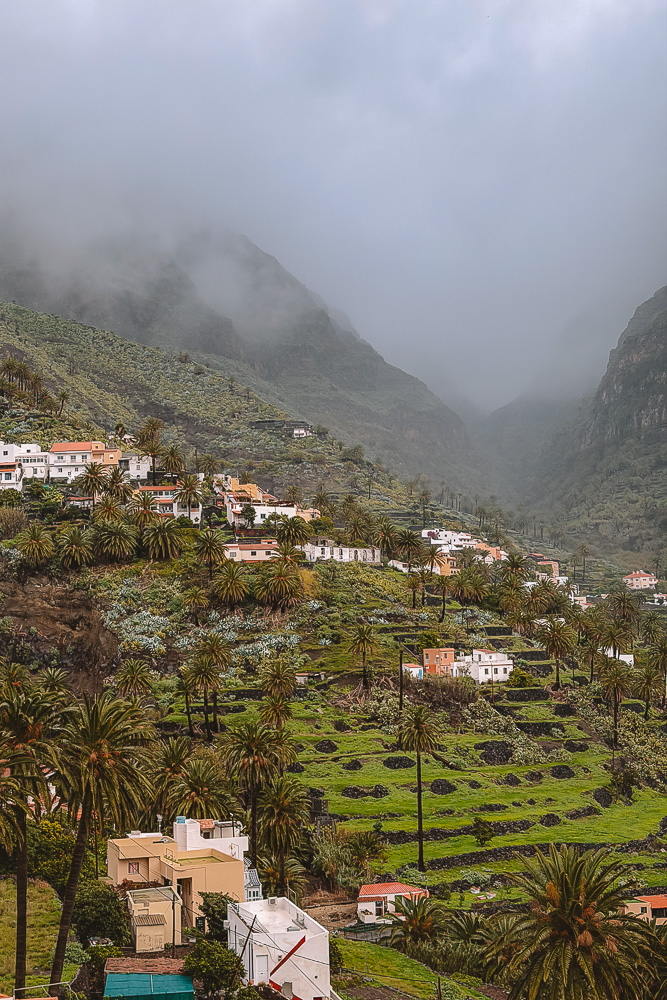
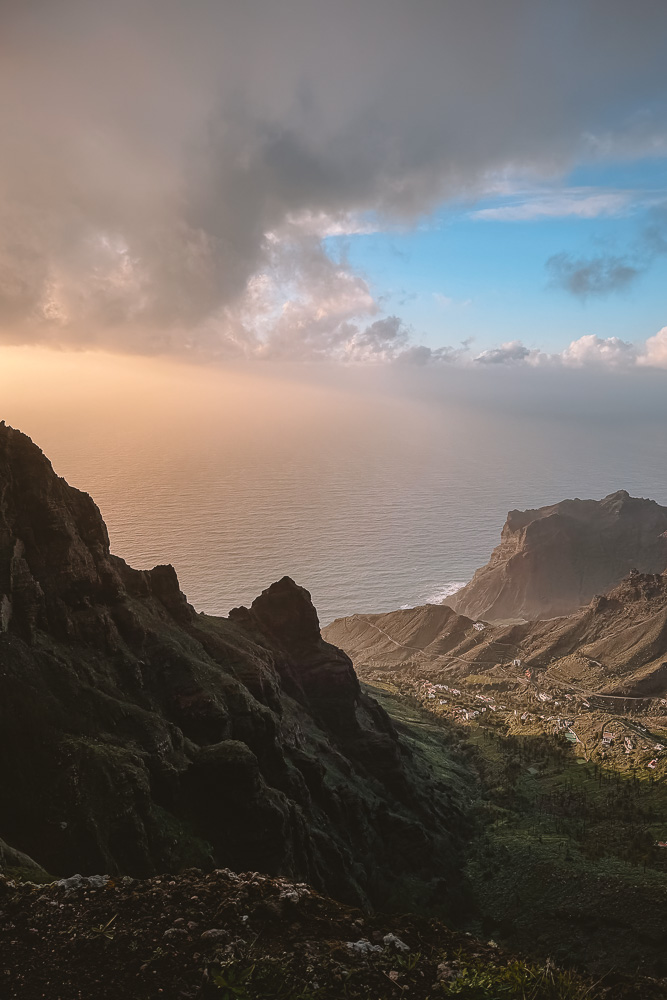
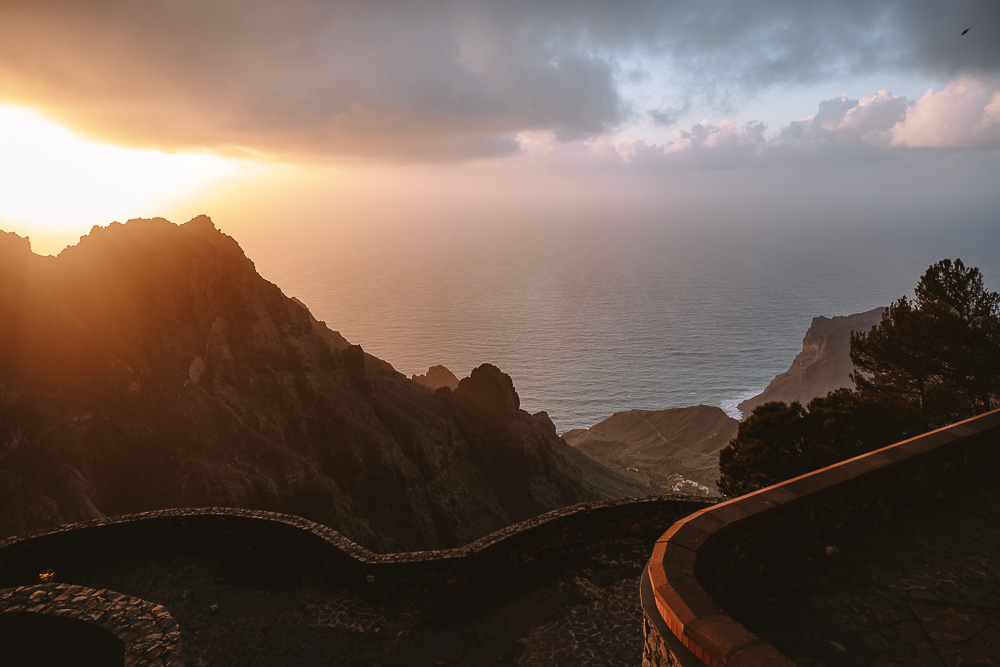
Start your journey in the lush north of La Gomera, where green valleys meet the ocean. Begin in Agulo, the “Jewel of la Gomera”, and one of Spain’s prettiest villages. Wander its cobbled streets surrounded by terraced hillsides and palm trees. For a panoramic first impression, stop at the Mirador del Amanecer, which offers a breathtaking view over Agulo’s red rooftops and the Atlantic below.
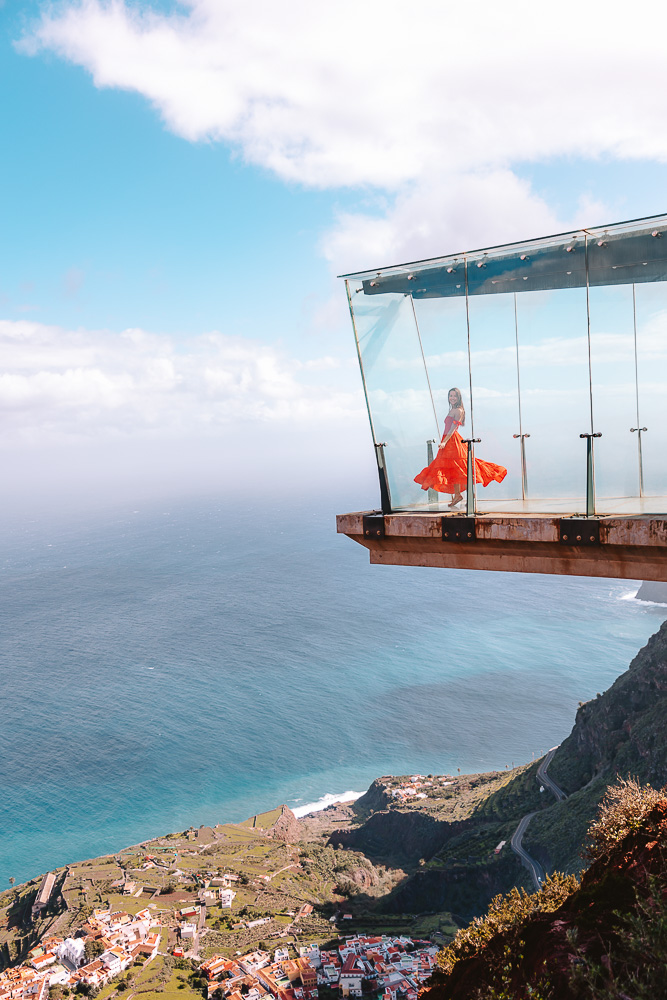
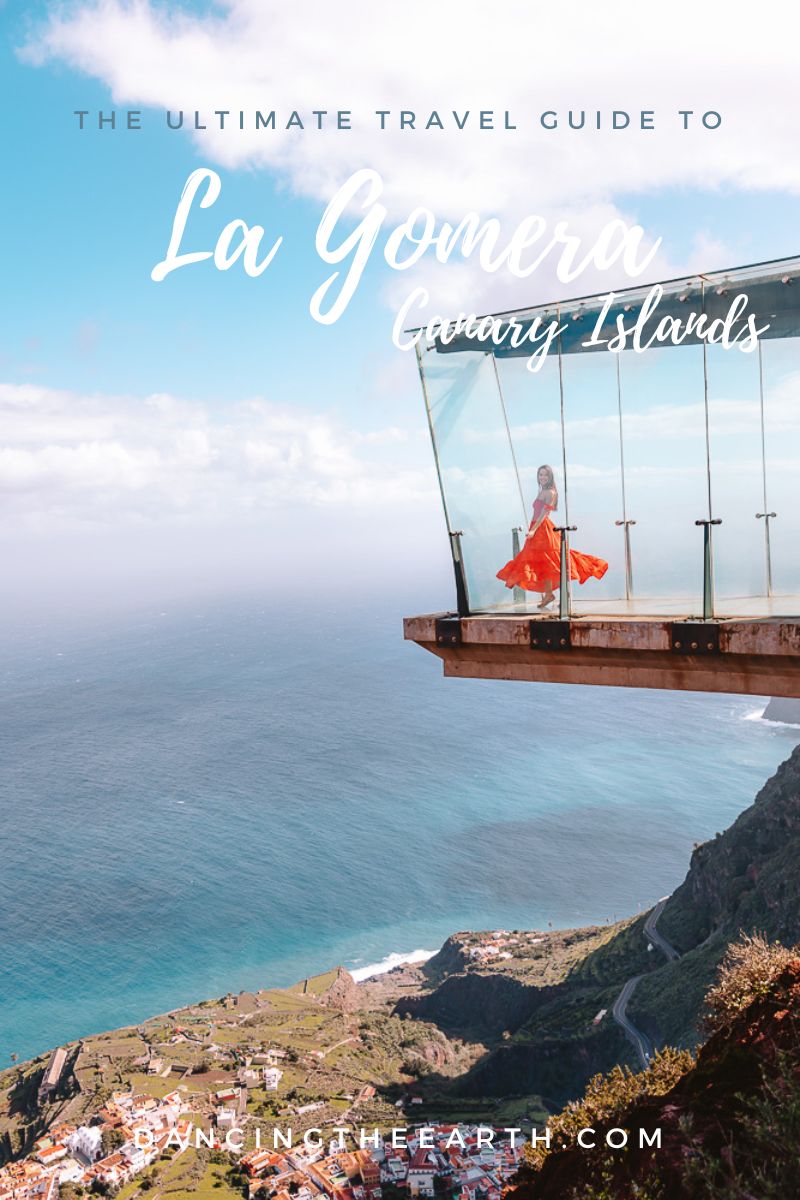
Just a few minutes away, the Mirador de Abrante will leave you speechless. It is a glass platform suspended above the cliffs, framing El Teide on Tenerife across the sea. It’s open daily from 10:30 a.m. to 4 p.m. and completely free to visit.
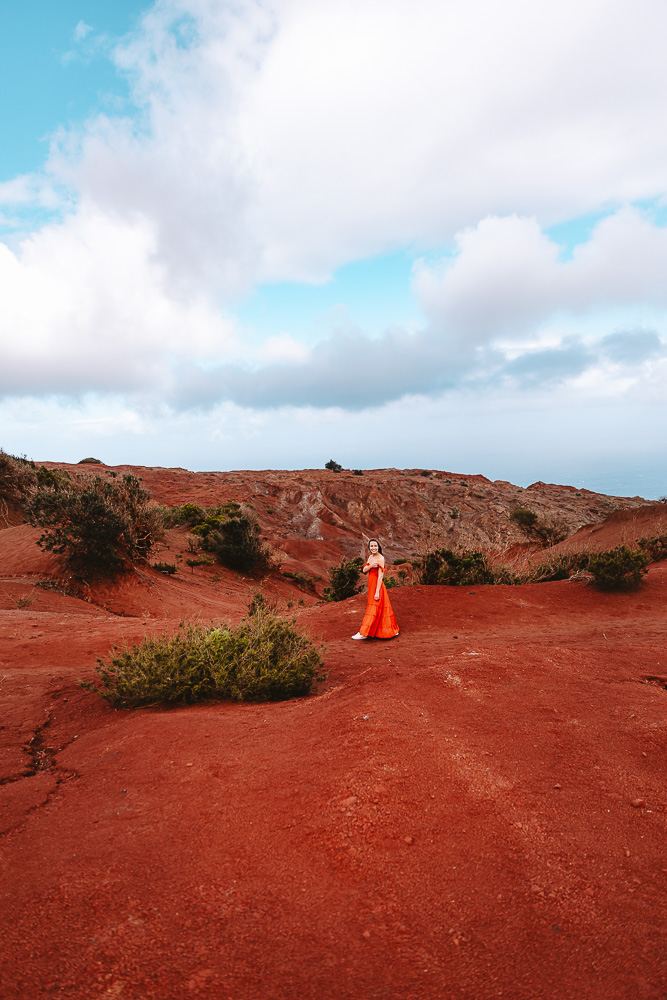

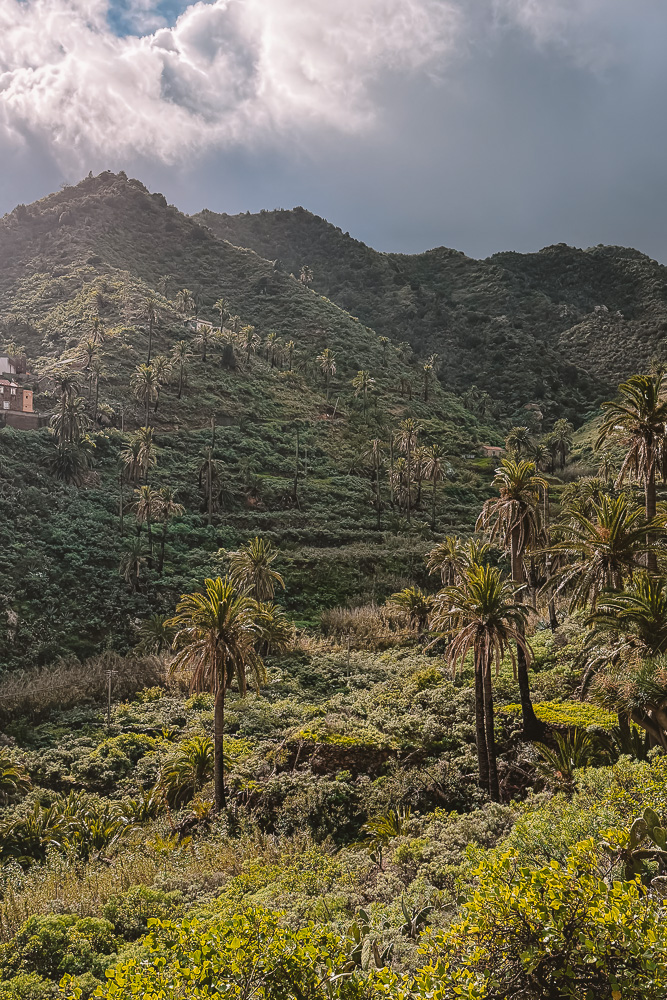
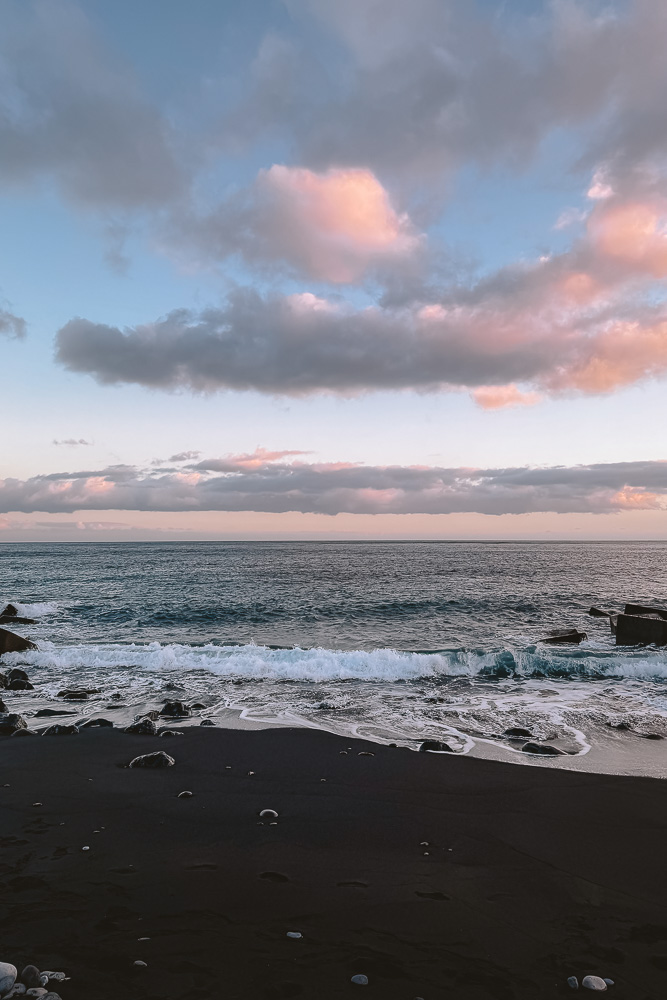
If you’re craving a bit of movement, follow the Agulo – Hermigua trail. This scenic hike winds through banana plantations and remnants of the island’s laurel forest. Once in Hermigua, cool off with a swim at the Pescante, the remains of an old harbor structure (only accessible in summer), or at Playa de la Caleta, a quiet black-sand beach with stunning views of Teide.
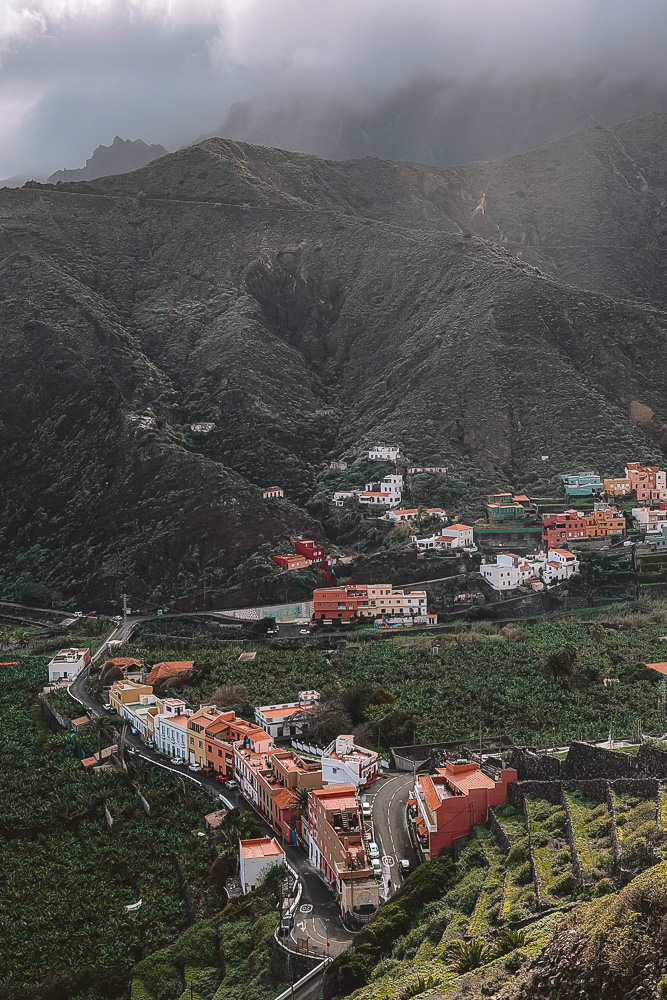
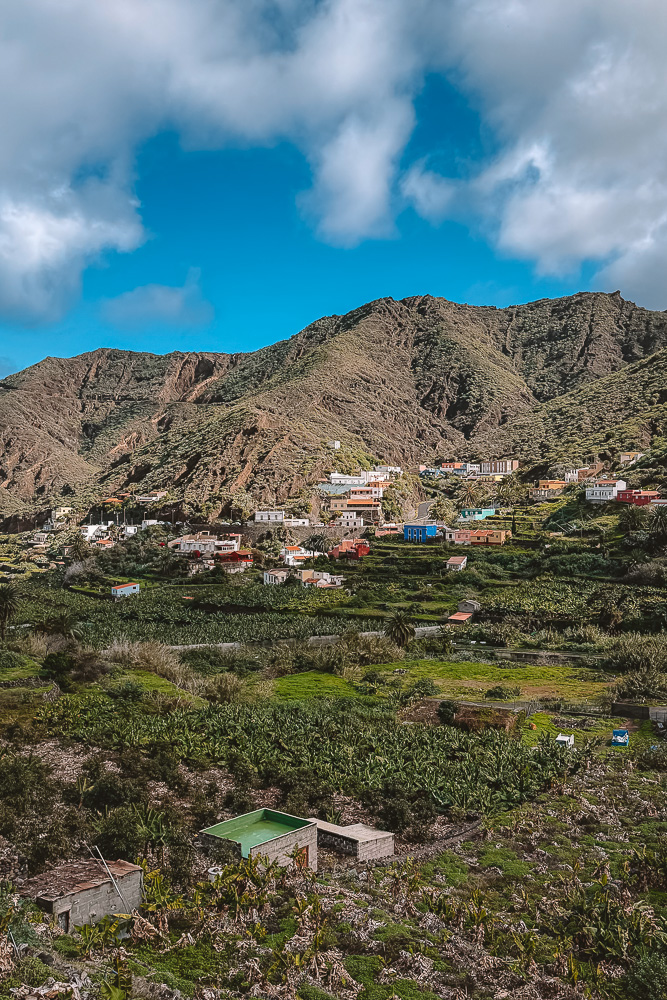
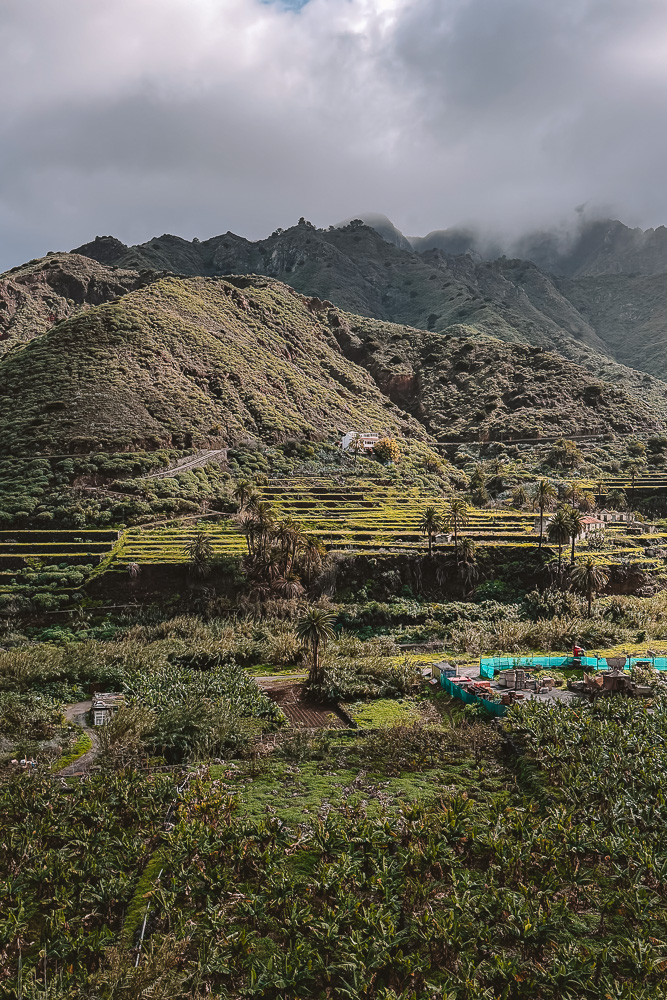
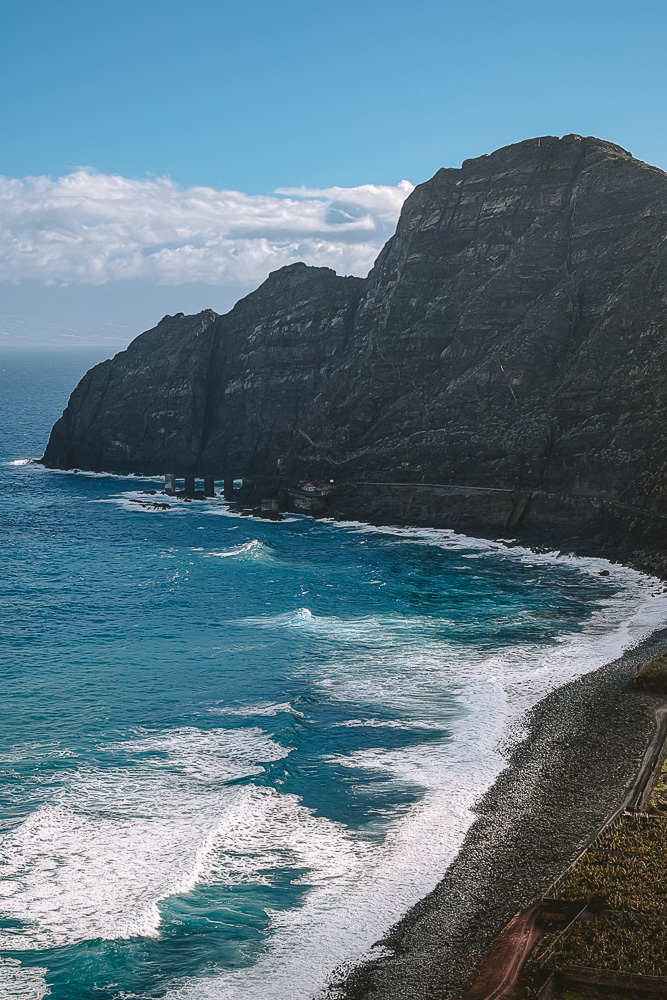
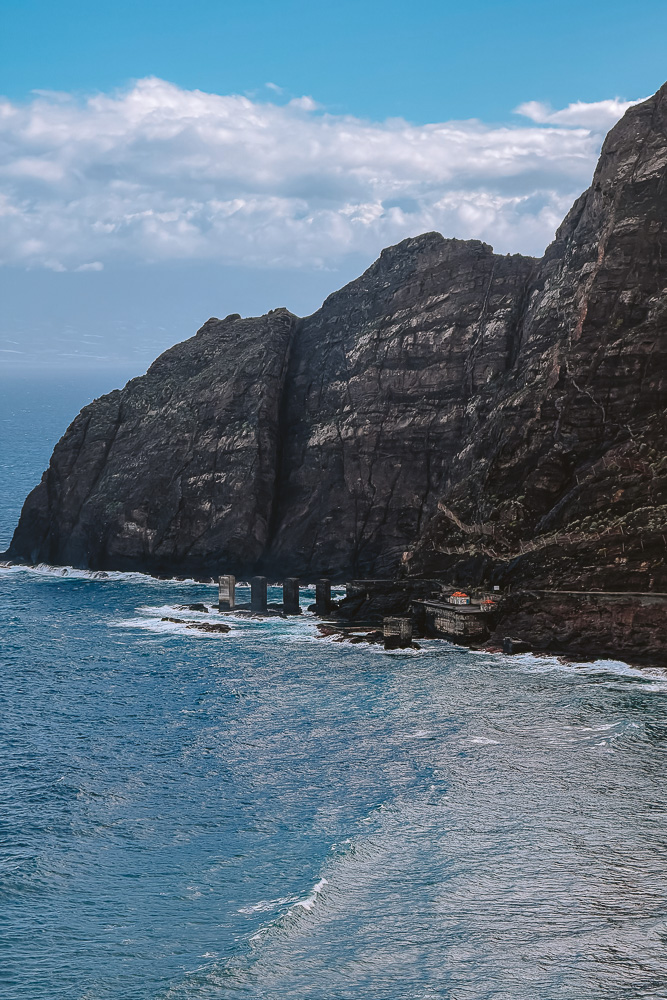
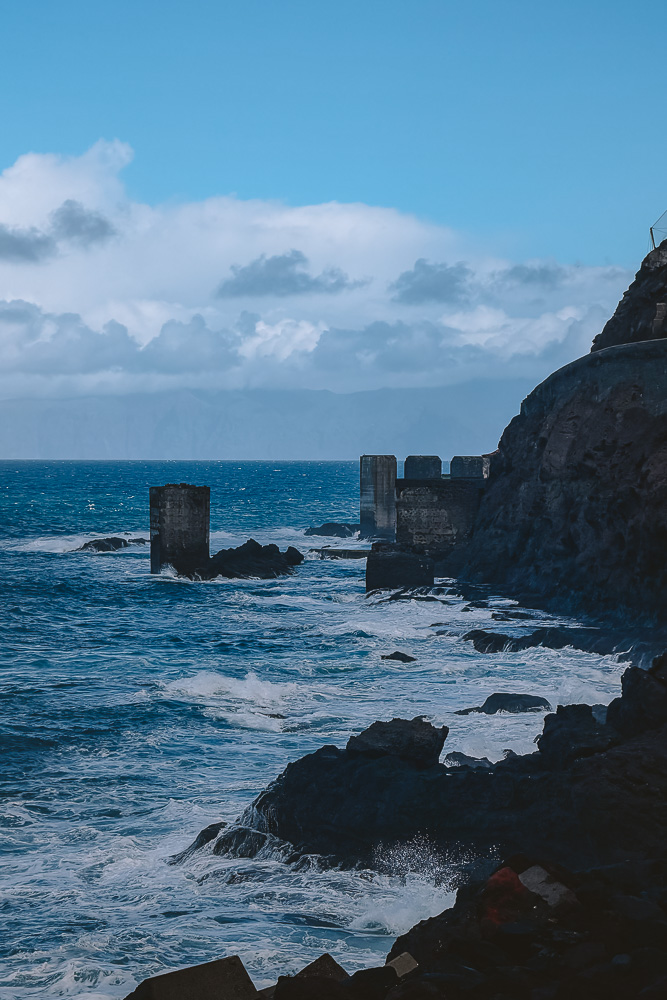
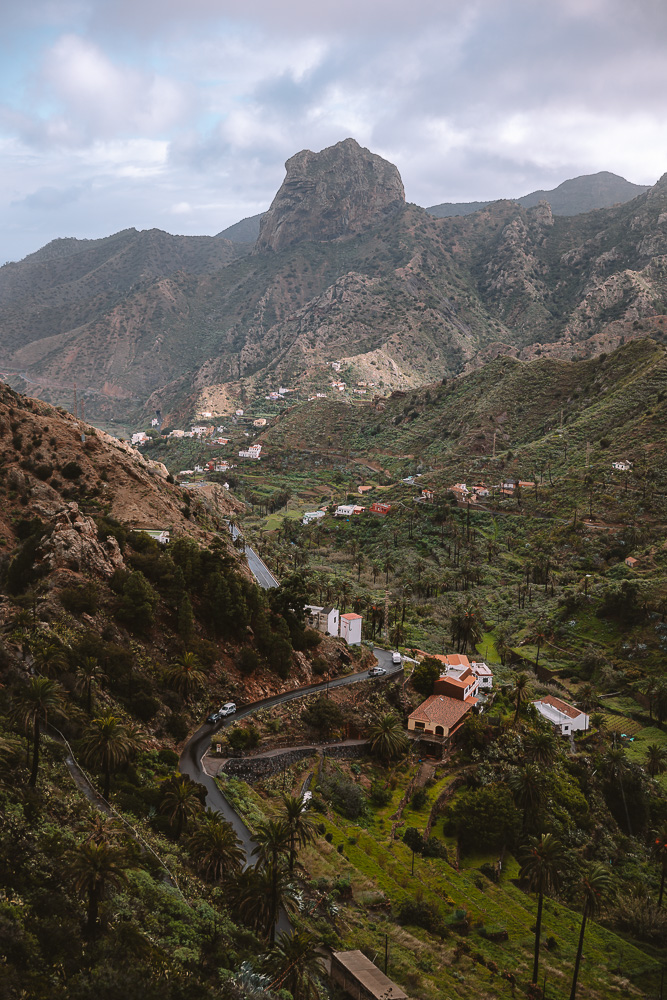
End your day chasing the soft light of sunset from the Mirador de Roque Blanco or Mirador de Lomo del Dinero, where you’ll overlook Vallehermoso, literally “the beautiful valley,” a name that couldn’t be more fitting.
Where to eat:
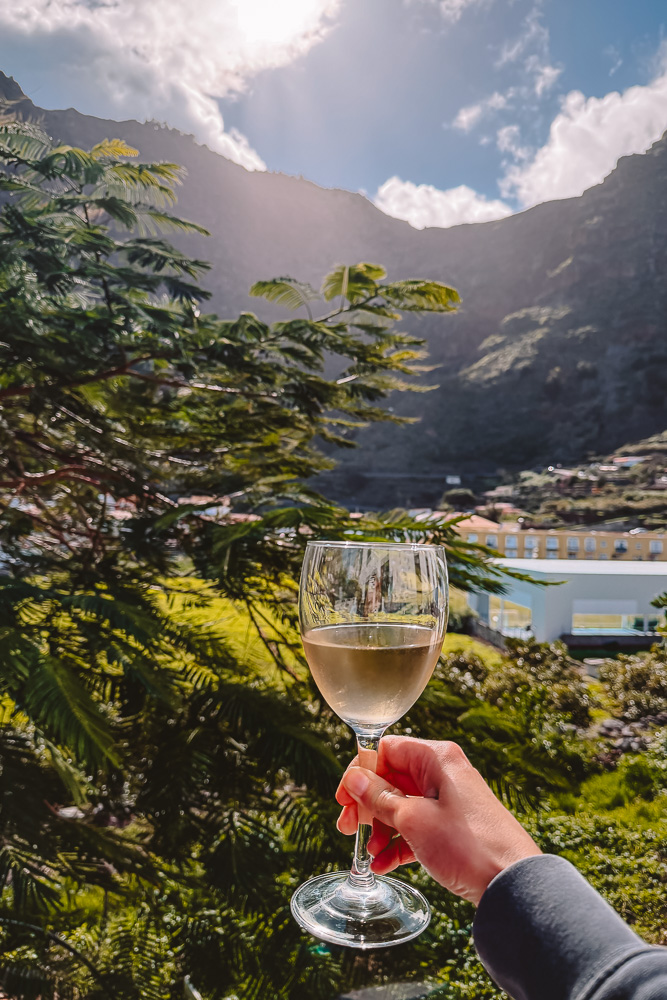
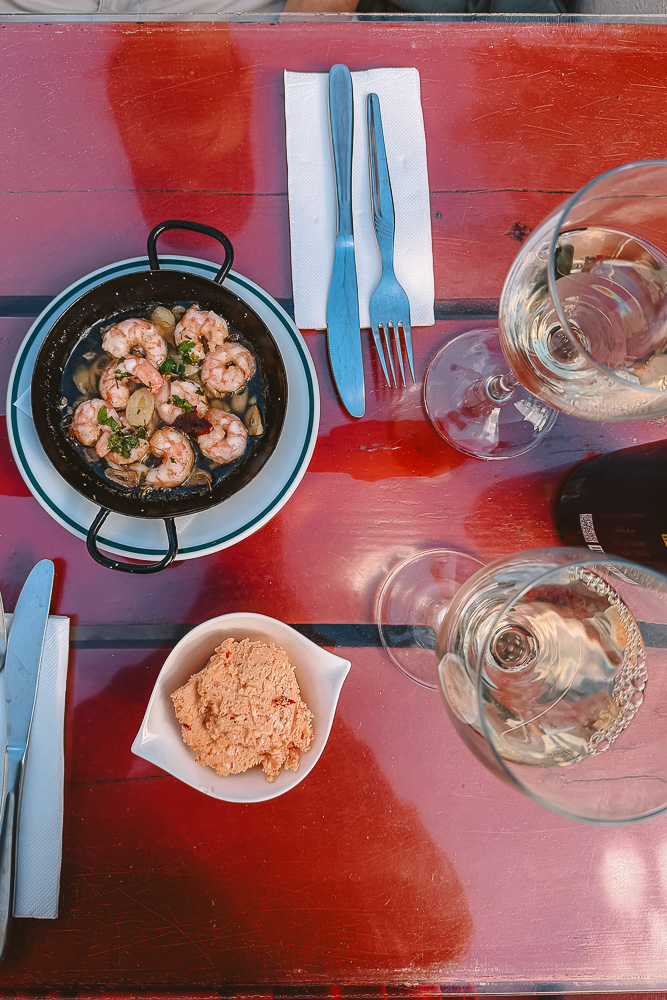
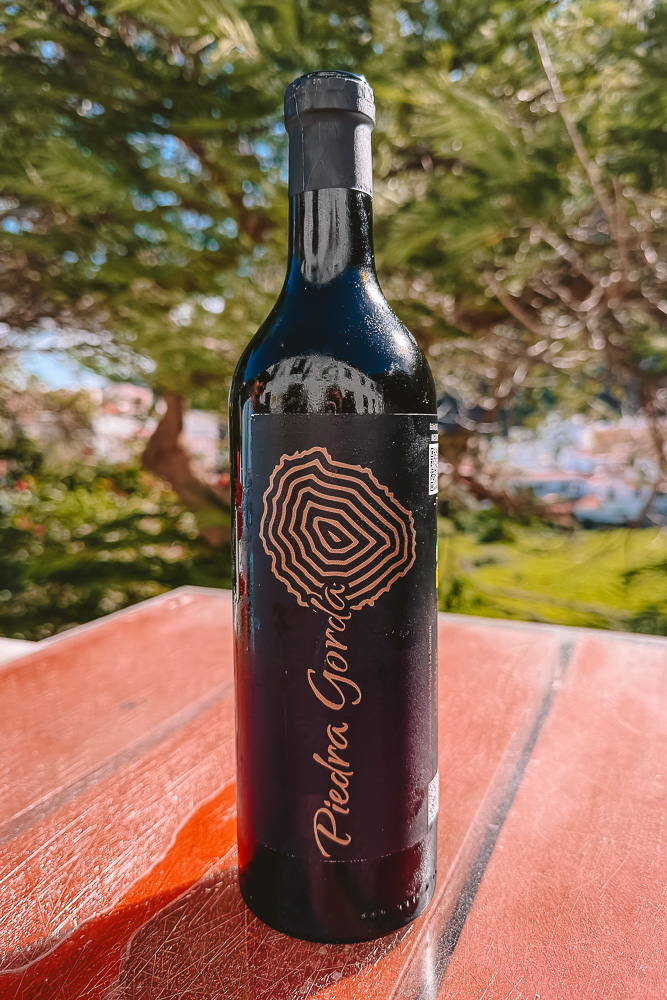
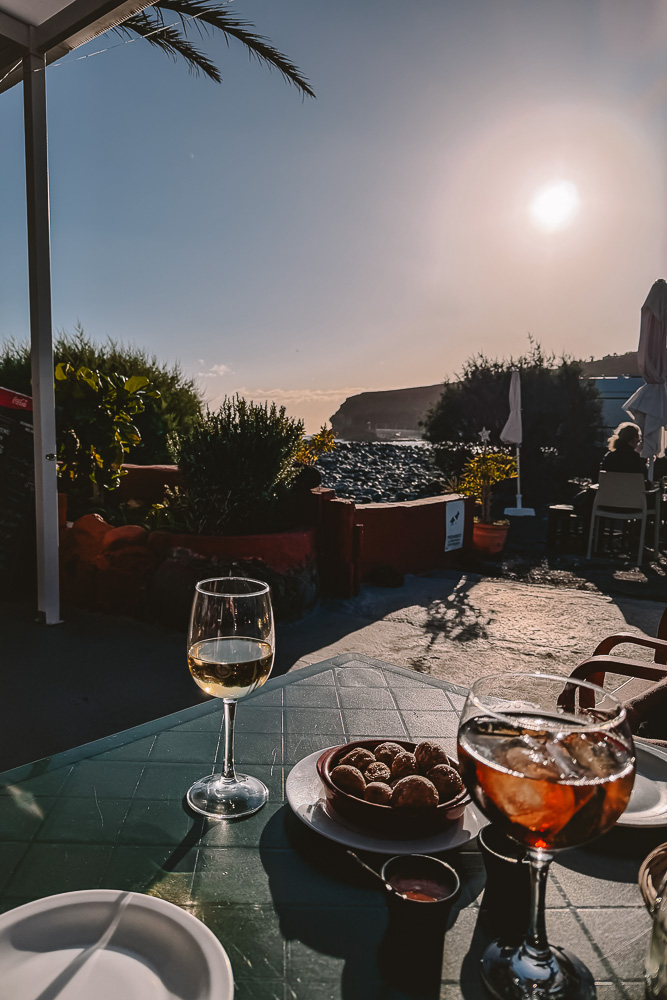
- Restaurante La Vieja Escuela in Agulo: make sure to try the Piedra Gorda white wine, my personal favorite! (closed on Sundays)
- La Casa Creativa/Bar Terraza Pedro: perfect a cheap and relaxed, traditional lunch (closed on Mondays)
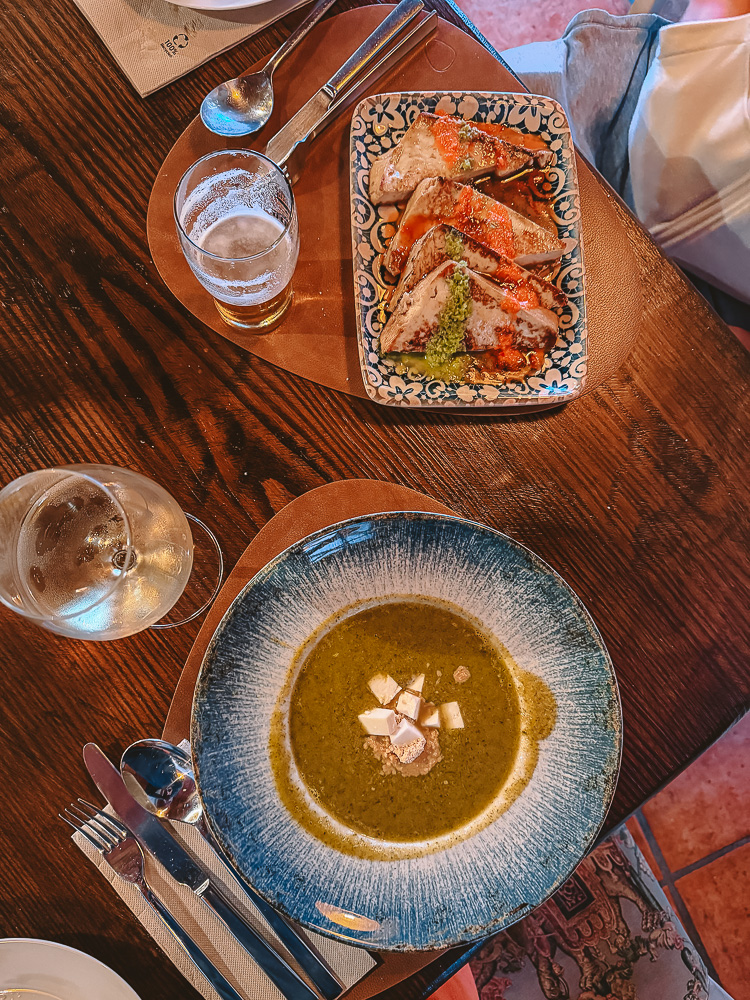
- La Terraza Restaurante Los Telares: try the watercress soup and the grilled cheese, they are to die for!

Day 3: Garajonay National Park
Garajonay National Park
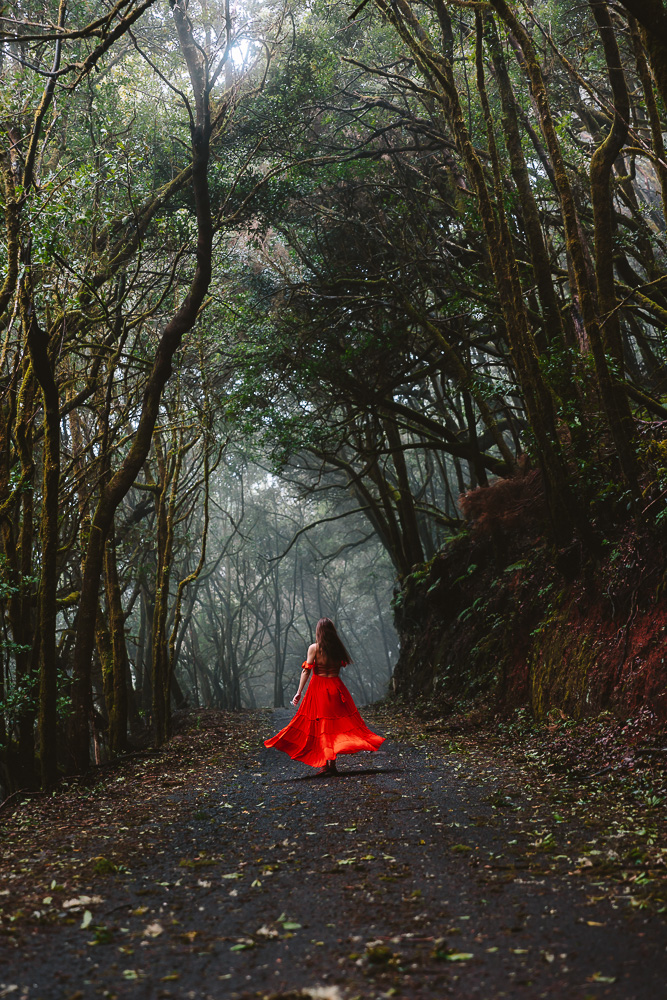
No trip to La Gomera would be complete without a day in Garajonay National Park, the island’s mystical green heart and a UNESCO World Heritage Site. This ancient laurel forest, often wrapped in mist, feels like stepping into another world: quiet, damp, and alive with birdsong and the scent of moss. It’s a haven for hikers with a lot of well-market trails winding through the forest and offering breathtaking viewpoints.
My favorite is the hike to Emita de Lourdes from El Cedro picnic area. It’s a gentle trail to a small white chapel hidden among the trees. The path follows a stream through ferns and moss-covered rocks, offering a glimpse of the island’s unique ecosystem, a relic of the subtropical forests that once covered much of Southern Europe millions of years ago.
If you have time and good weather, climb to Alto de Garajonay, the highest point on the island at 1,487 meters. On clear days, you’ll be rewarded with a spectacular 360° view of Tenerife, La Palma, and El Hierro rising above the sea of clouds. Unfortunately, that was not the case when I visited …
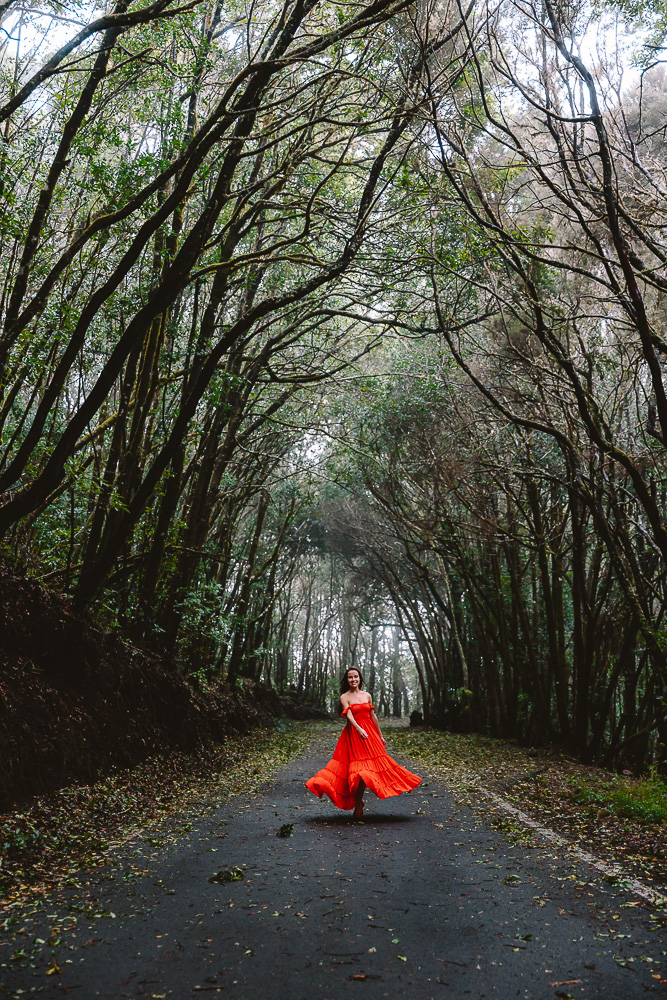
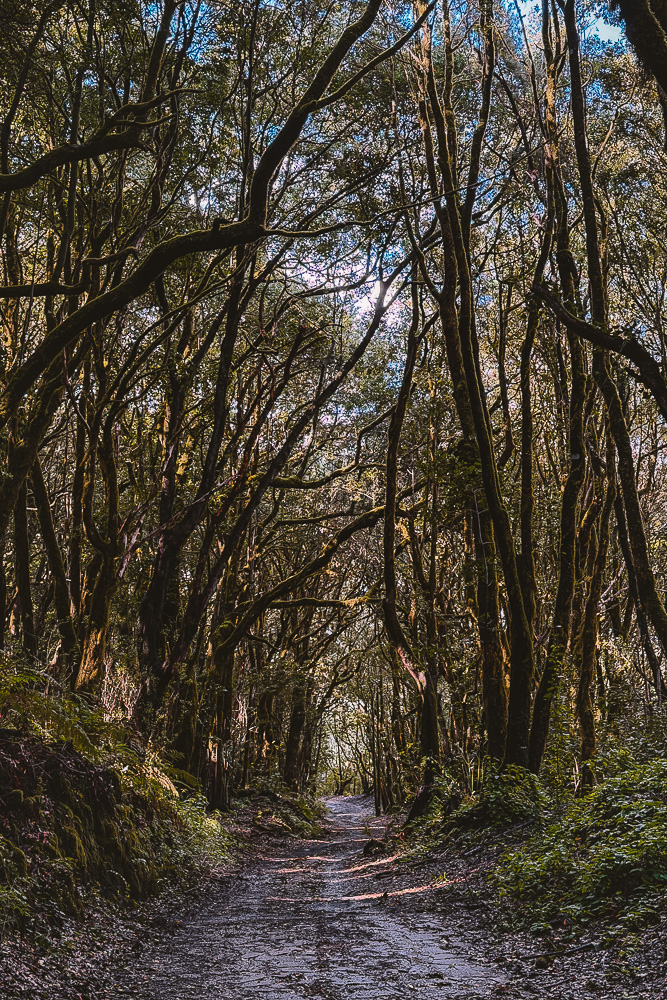
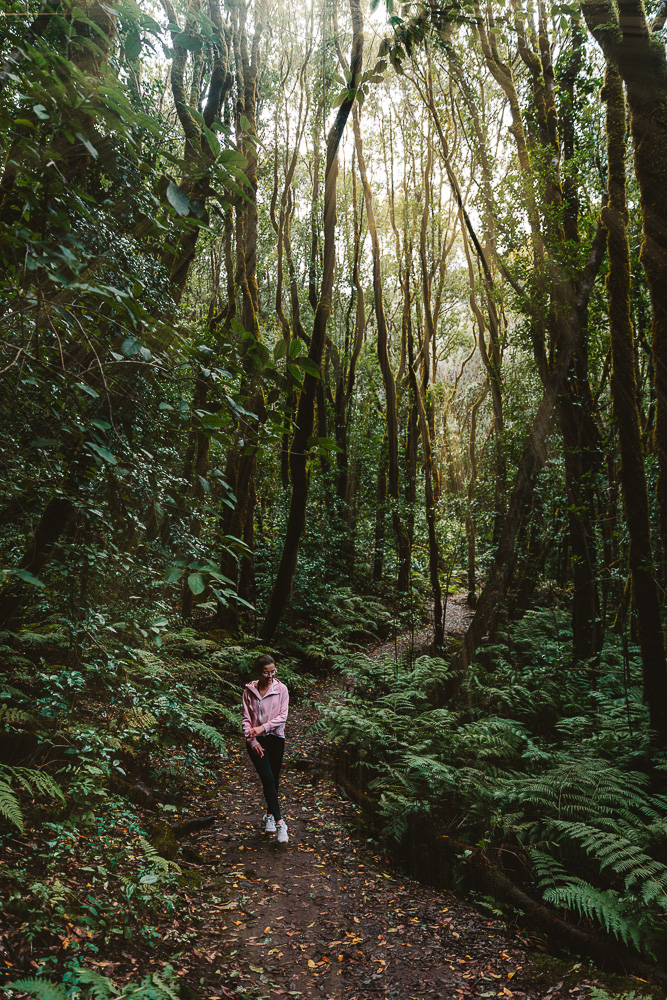
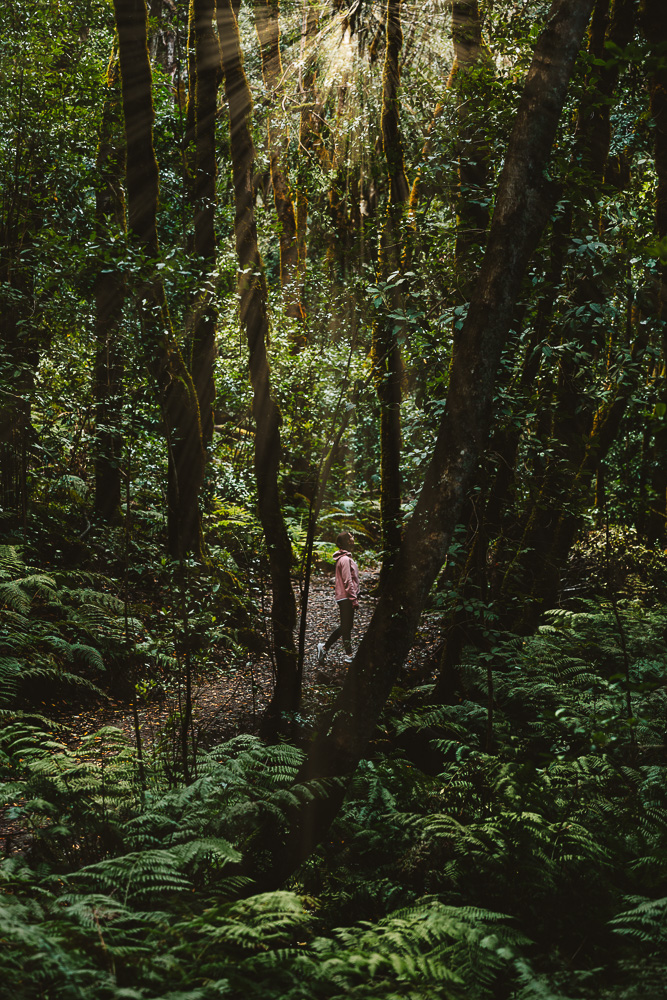
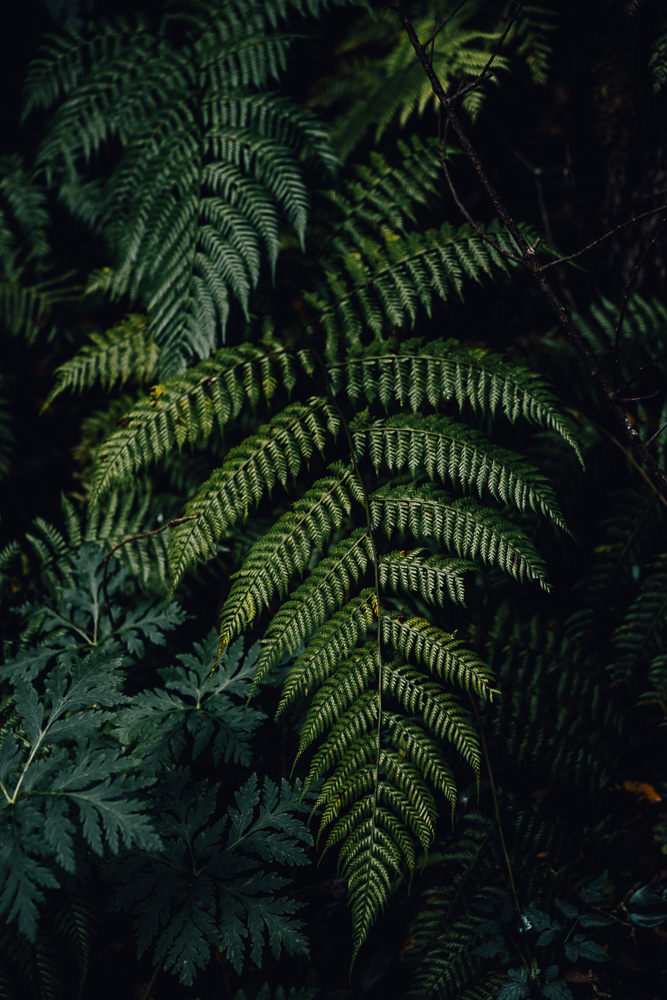
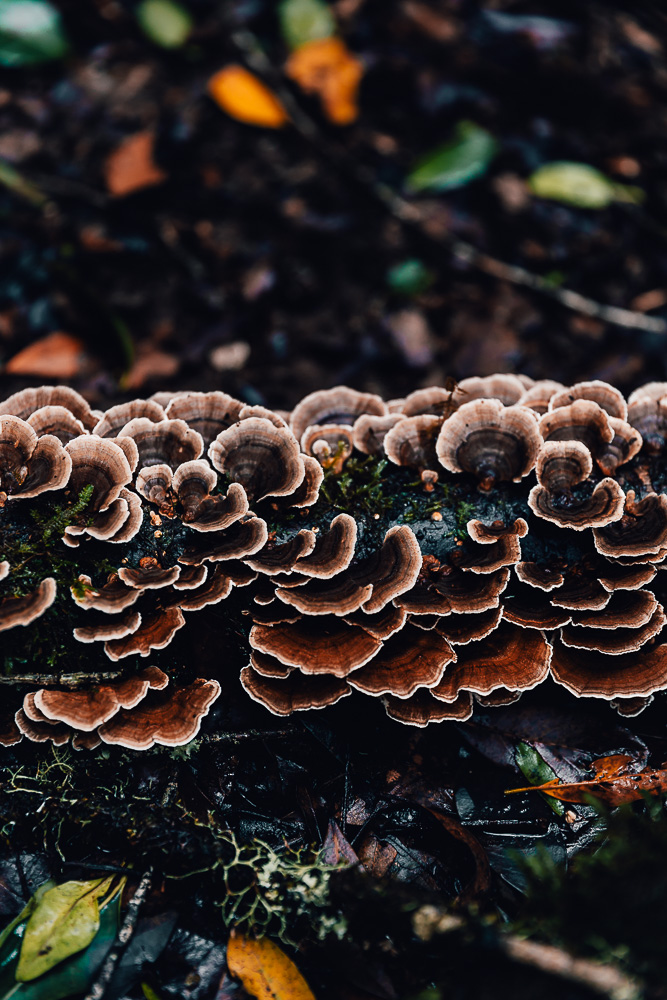
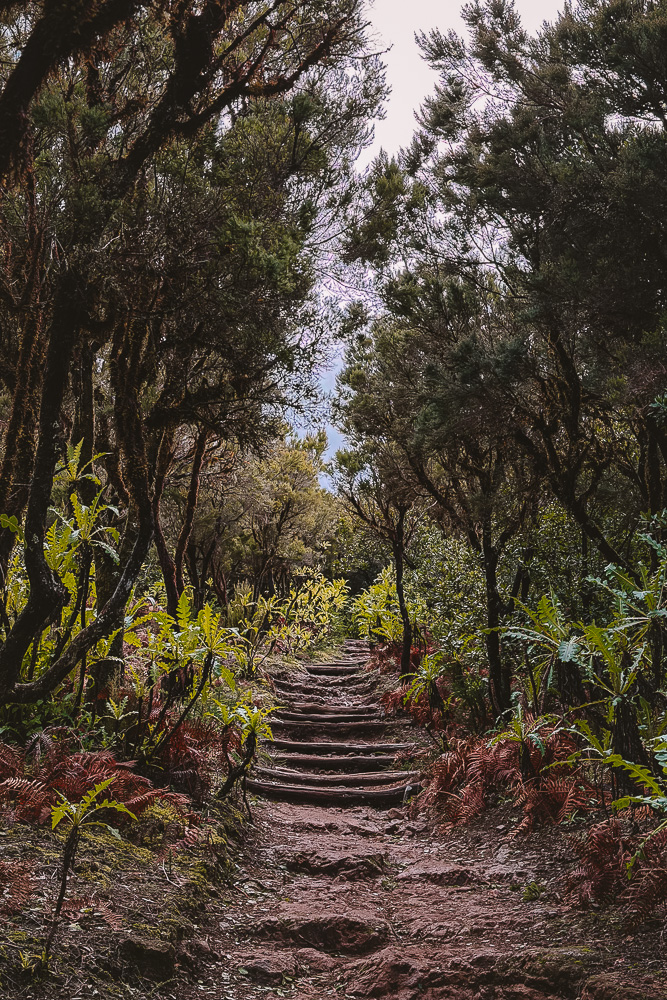
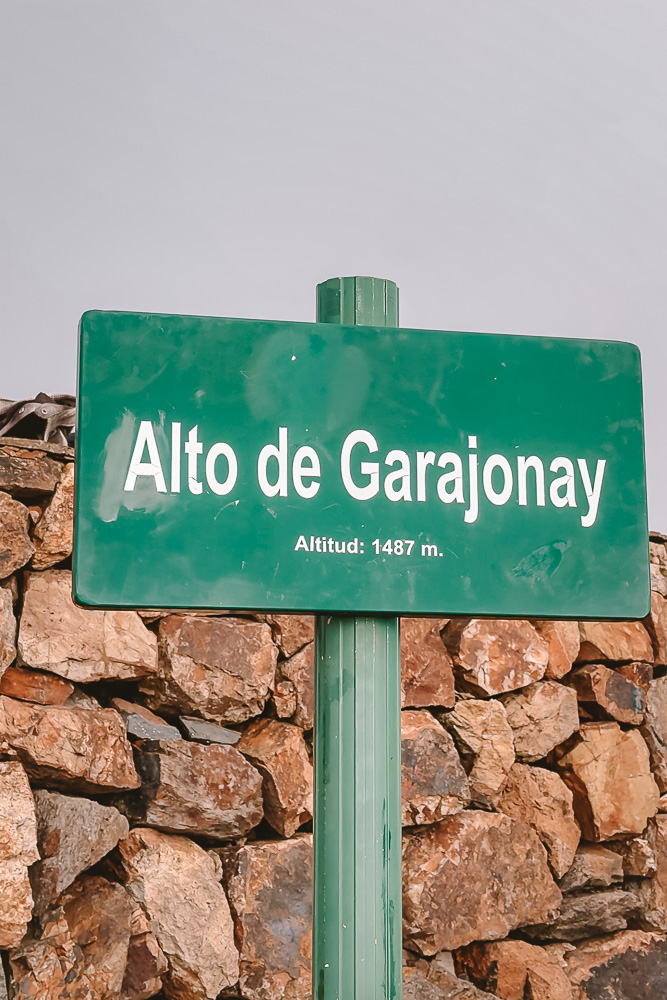
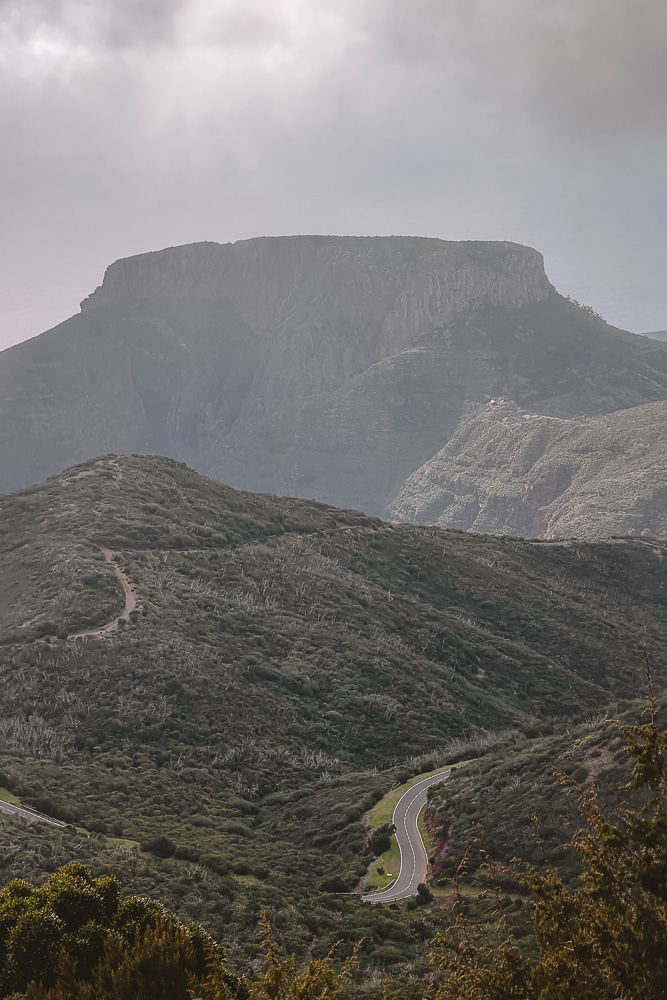
It’s also a paradise for photographer, and I’d recommend checking it out at different time of the day as the mist and the sun rays create a totally different atmosphere.
If you prefer, you can also go on a guided tour of the Garajonay National Park.
Roque de Agando
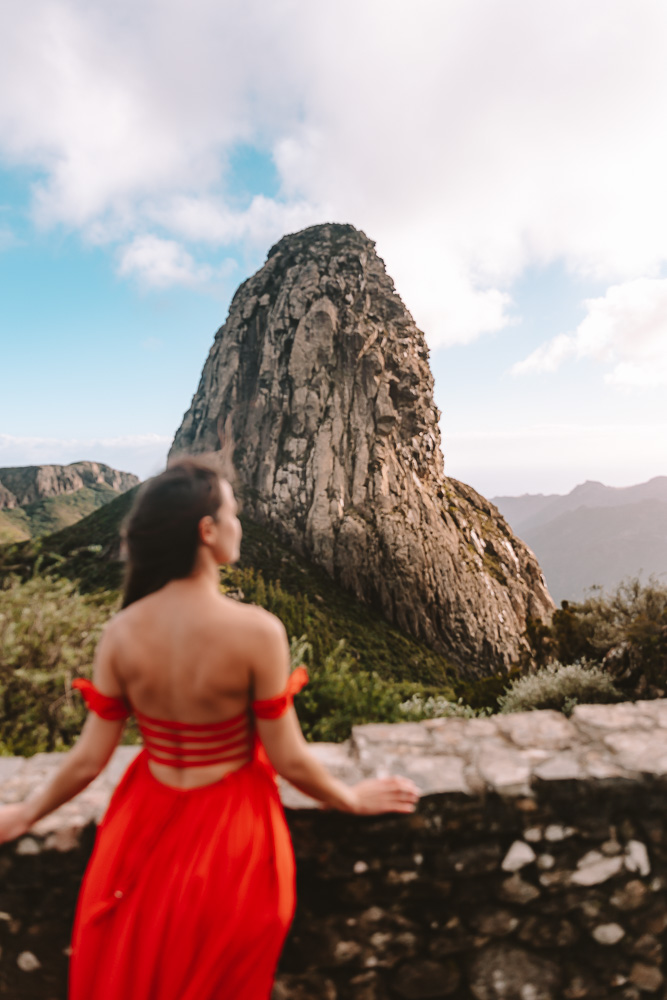
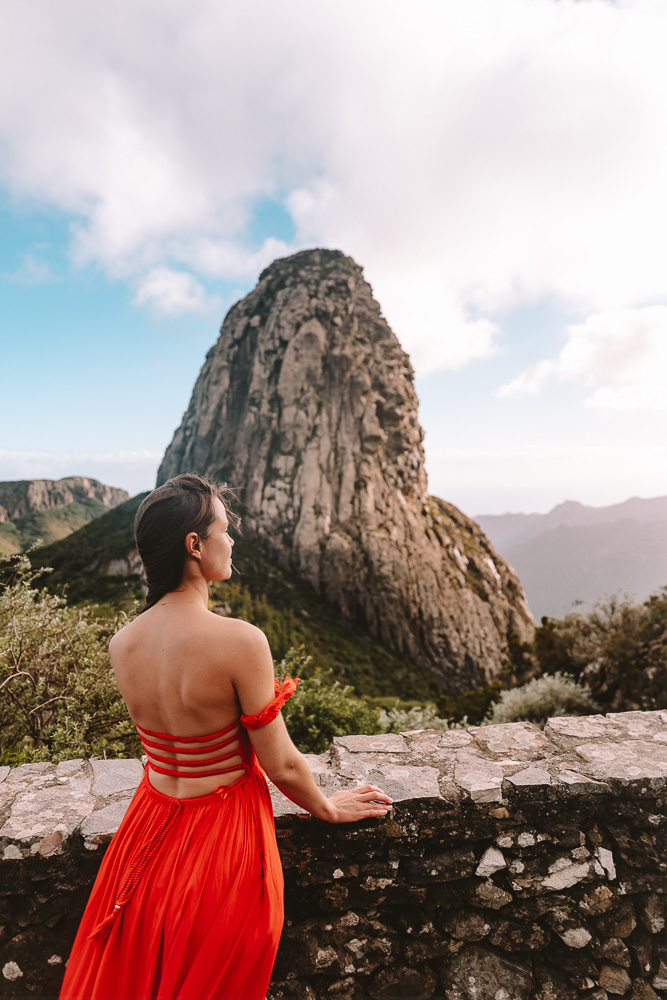
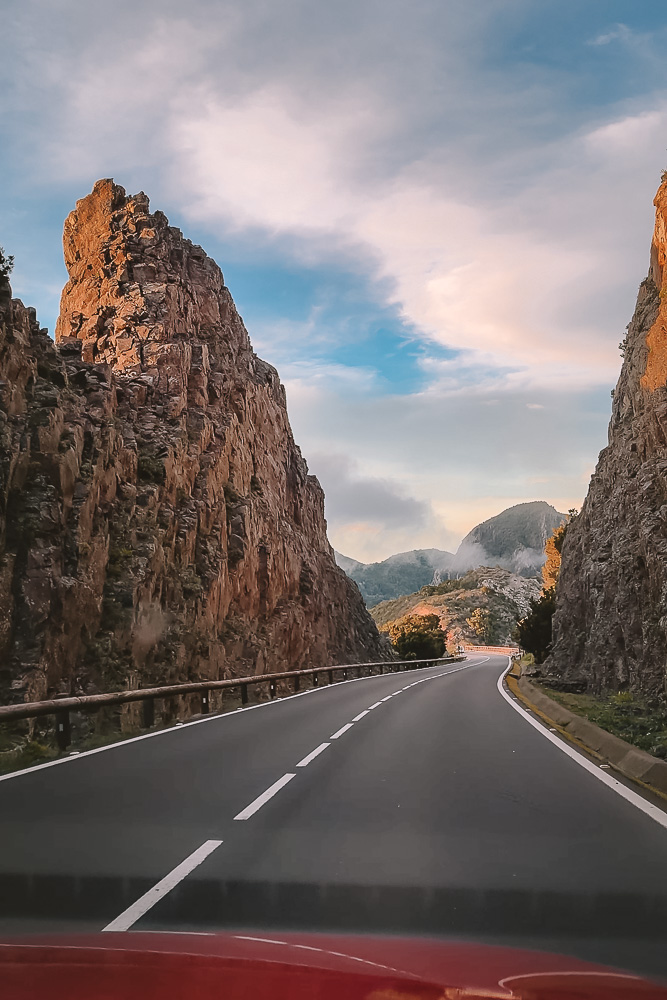
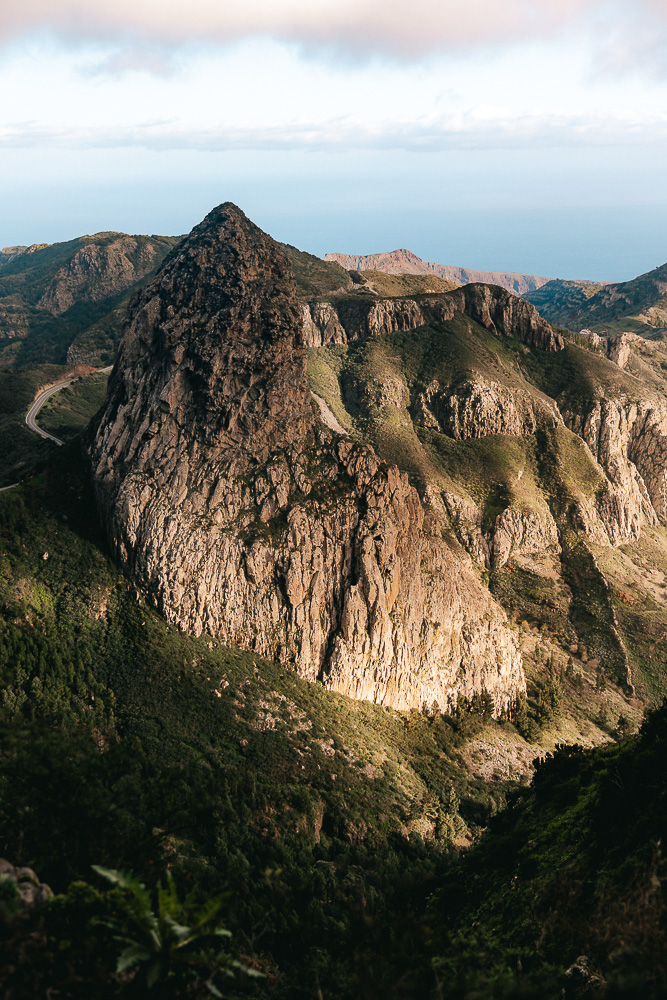
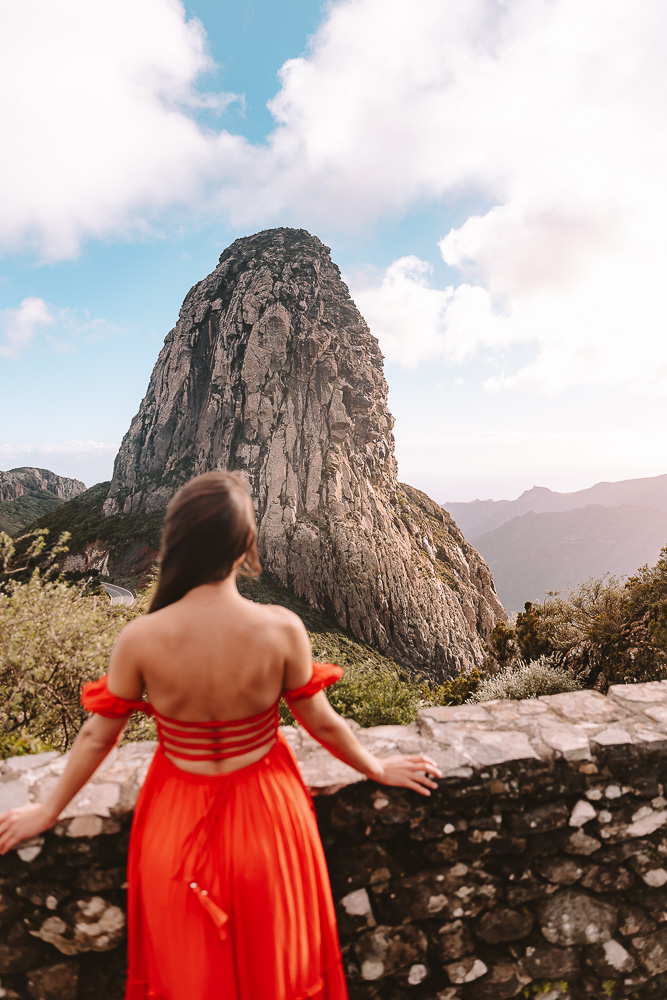
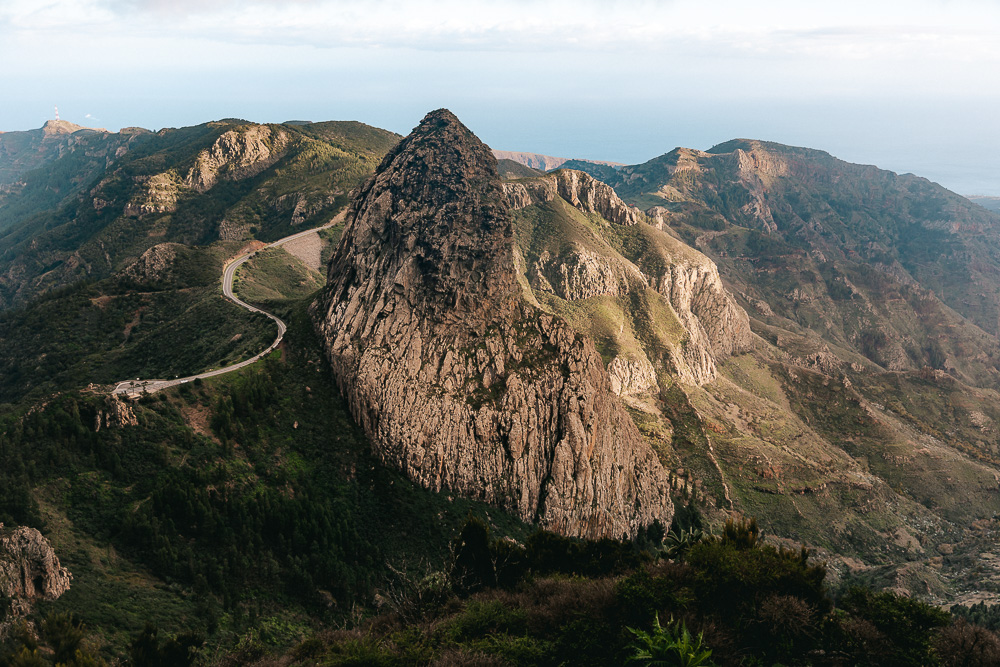
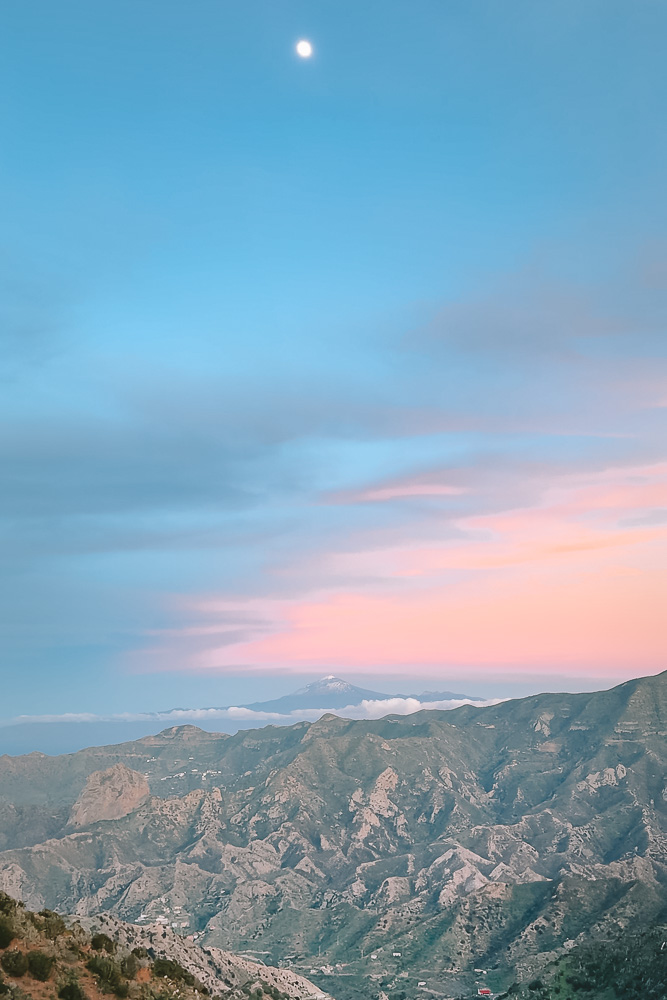
On your way out of the park, take the scenic road lined with viewpoints that frame the island’s most iconic peak: Roque de Agando. This towering volcanic plug is one of La Gomera’s natural symbols, often playing hide and seek with the clouds. Stop first at El Bailadero, then at the Mirador de Los Roques for sweeping views of the surrounding cliffs. A little further, stop at the Mirador de Tajaqué, and climb the few steps for the panoramic scenery. Finally, don’t miss the Mirador del Morro de Agando, arguably the most beautiful of them all, especially at sunset or under the first evening stars. It’s a little walk to go there but so worth it!
Each of these stops offers a different perspective of the island’s rugged terrain, a breathtaking reminder of La Gomera’s volcanic soul.
Day 4: Alojera
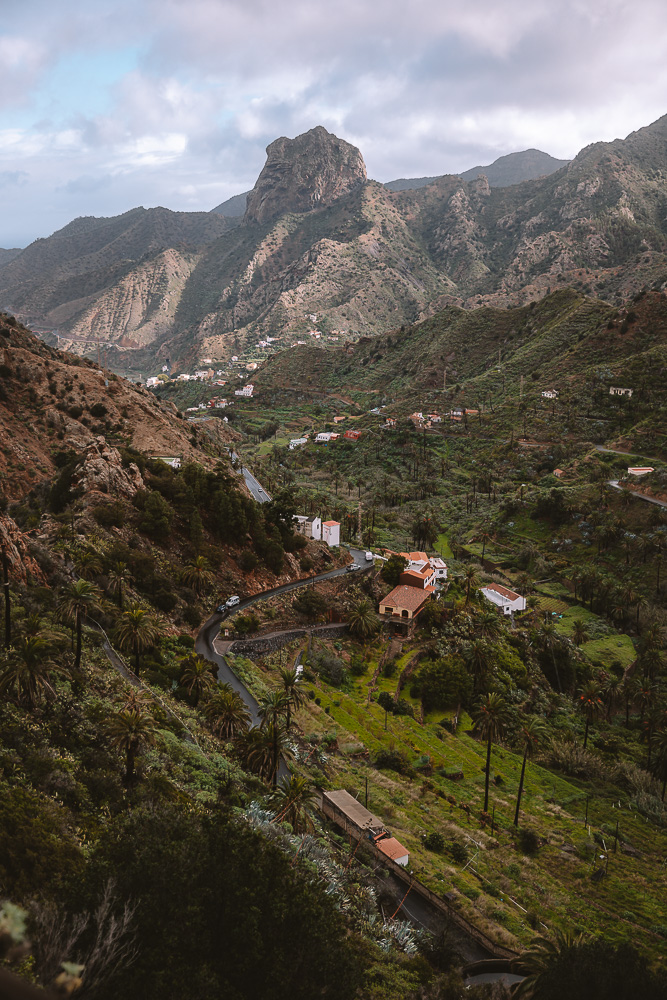
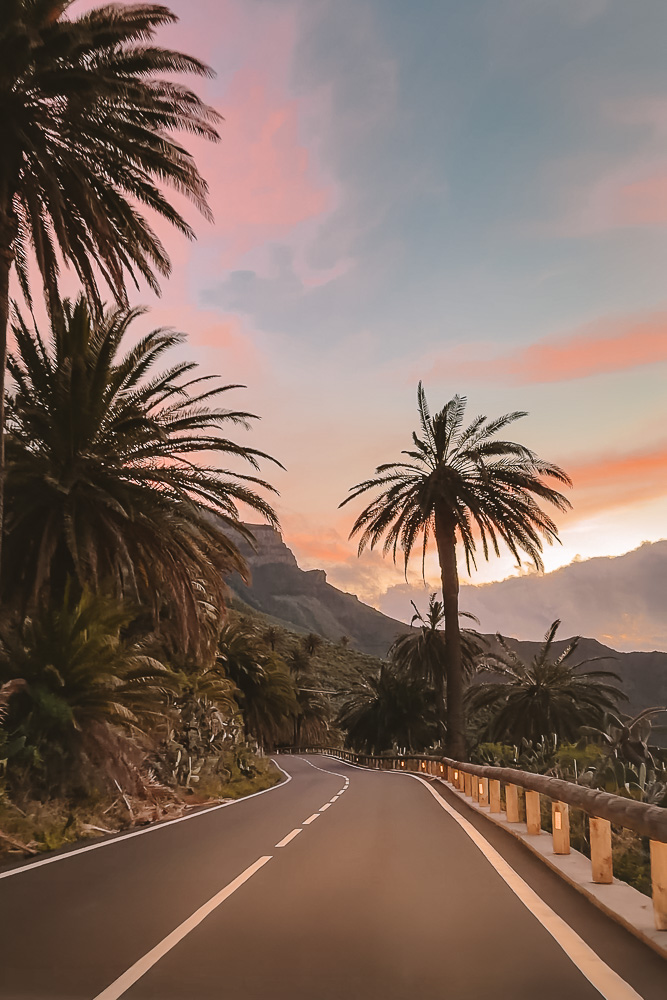
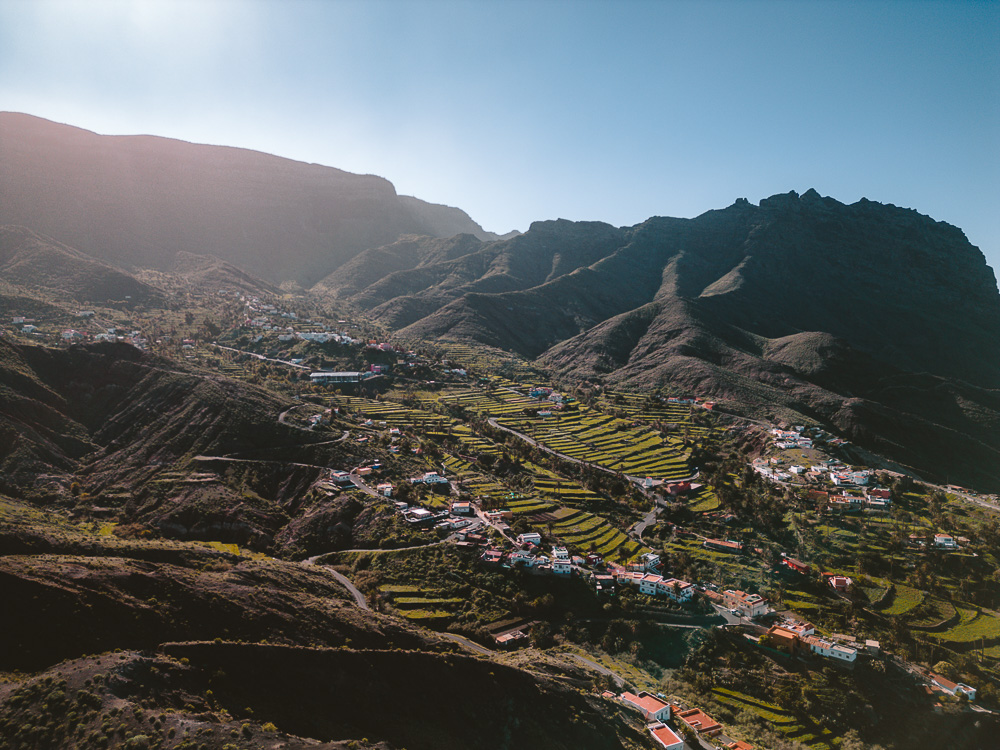
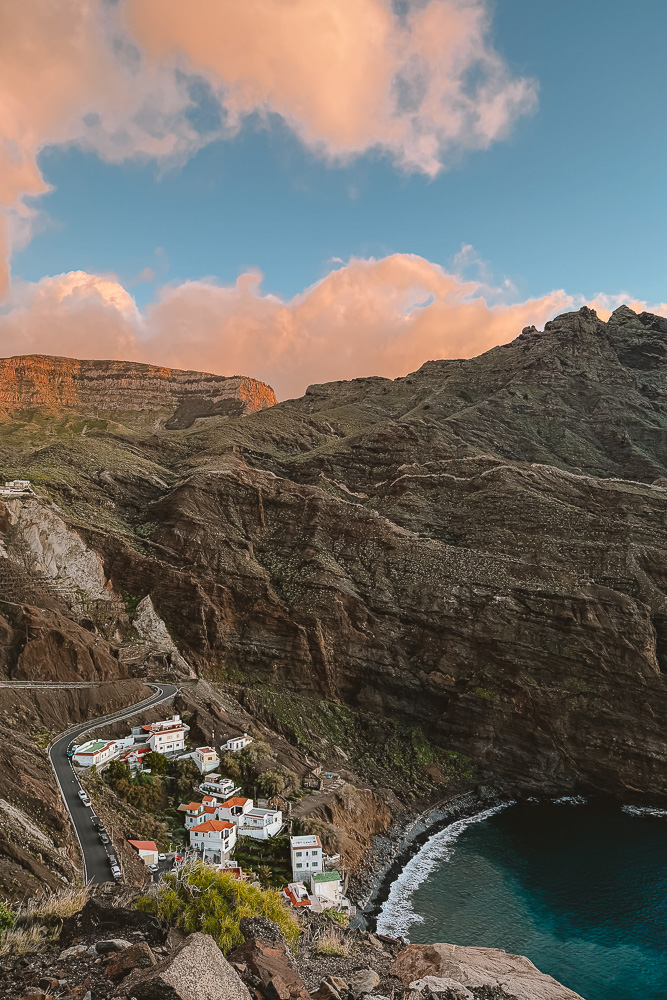
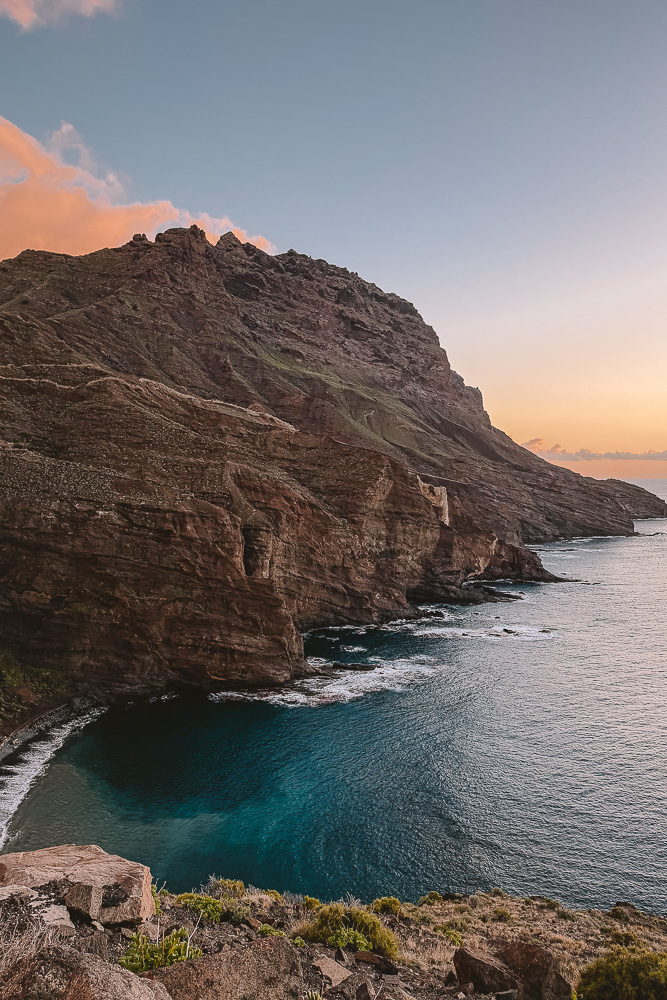
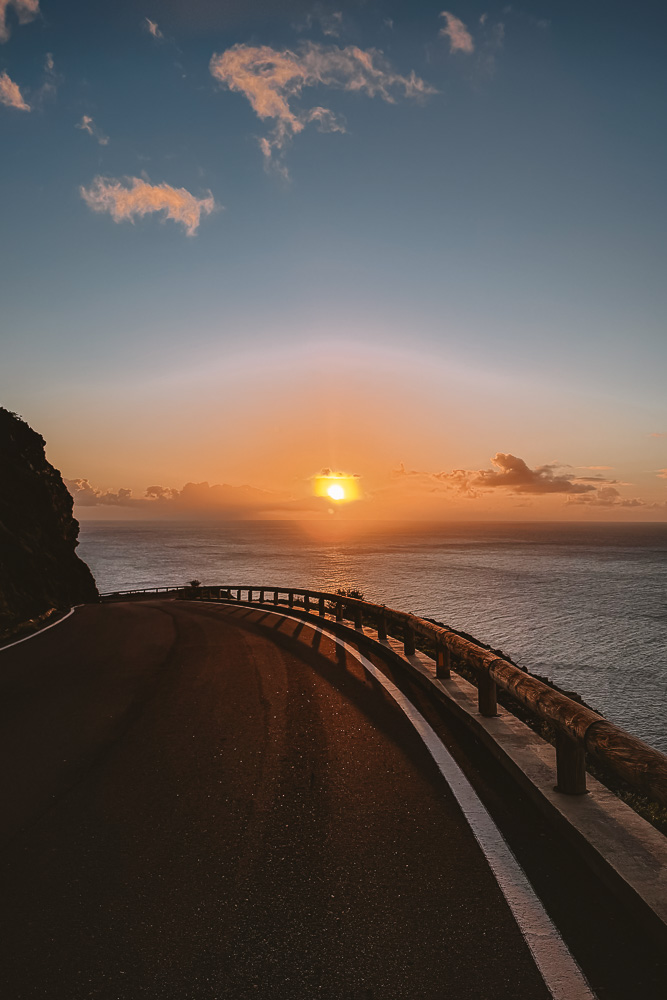
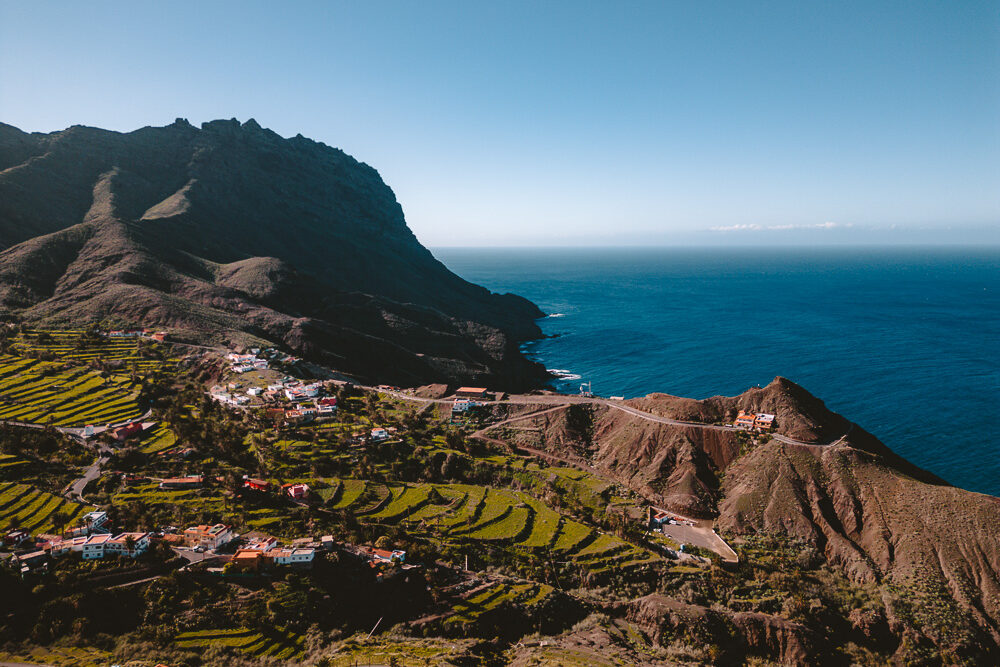
After exploring the forest and mountains, head west to Alojera, one of La Gomera’s quietest and most authentic corners. The road down to the village is steep and winding, but every turn reveals a view more beautiful than the last.
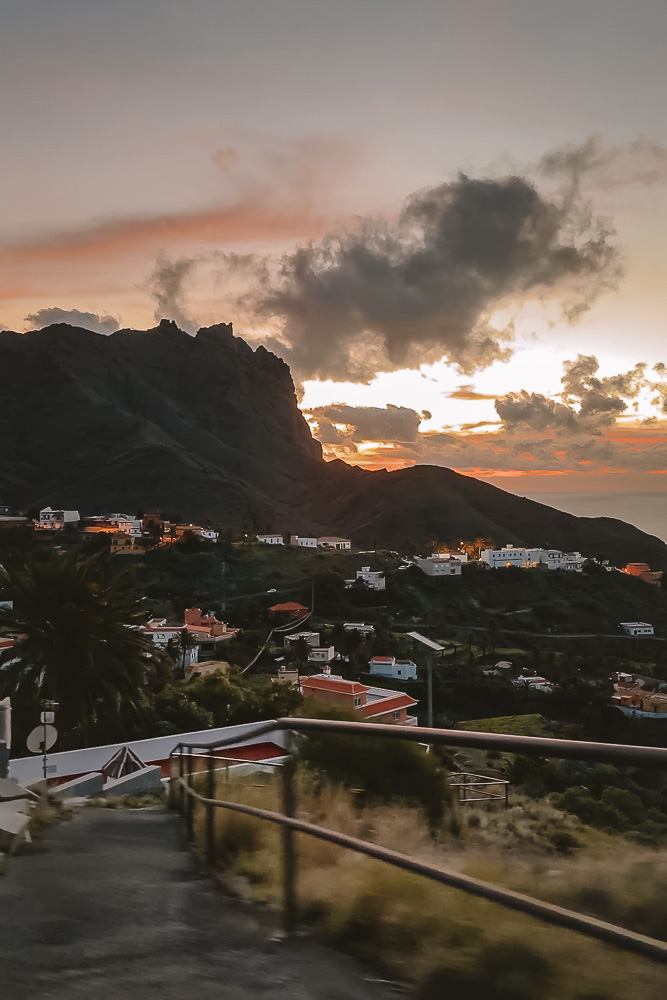
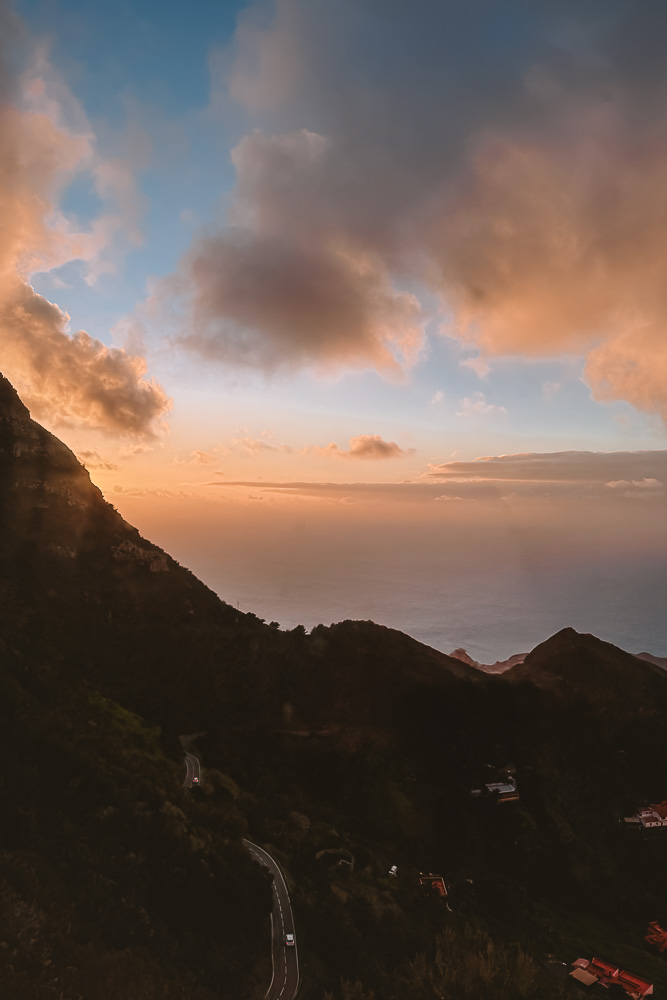
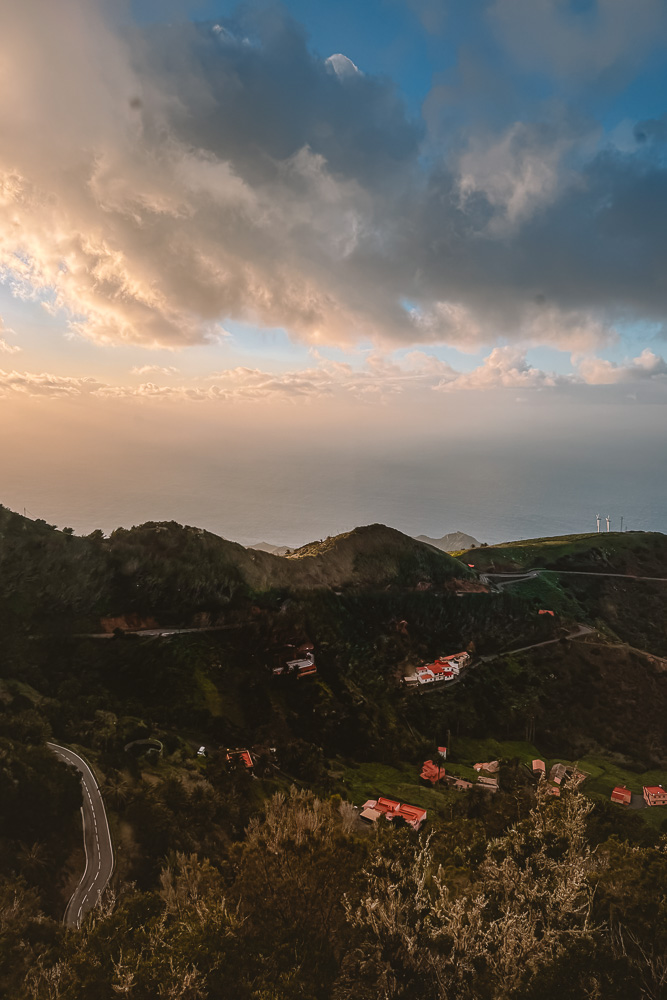
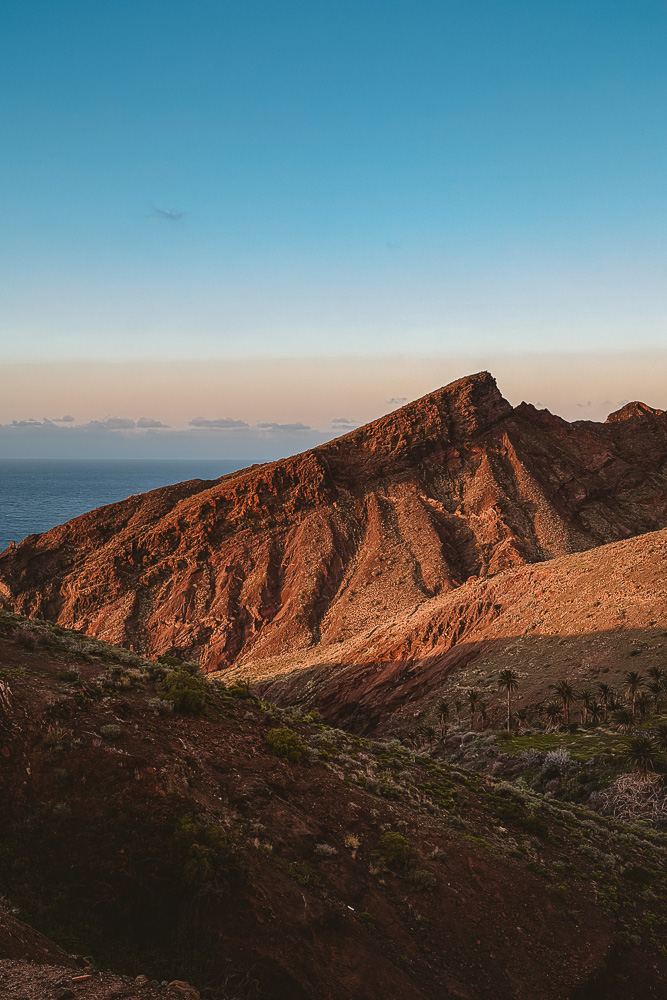
There’s not a lot of things to do apart from enjoying the quietness of the place. Spend the day unwinding at Playa de Alojera, a small black-sand bay with turquoise water and a sleepy, end-of-the-world charm. Stop by the local cooperative to taste miel de palma, the island’s famous palm honey, made from the sap of Canary Island date palms. If you’re up for a walk, follow the trail to the nearby hamlet of Tazo for sweeping ocean views and terraced hillsides dotted with palms.
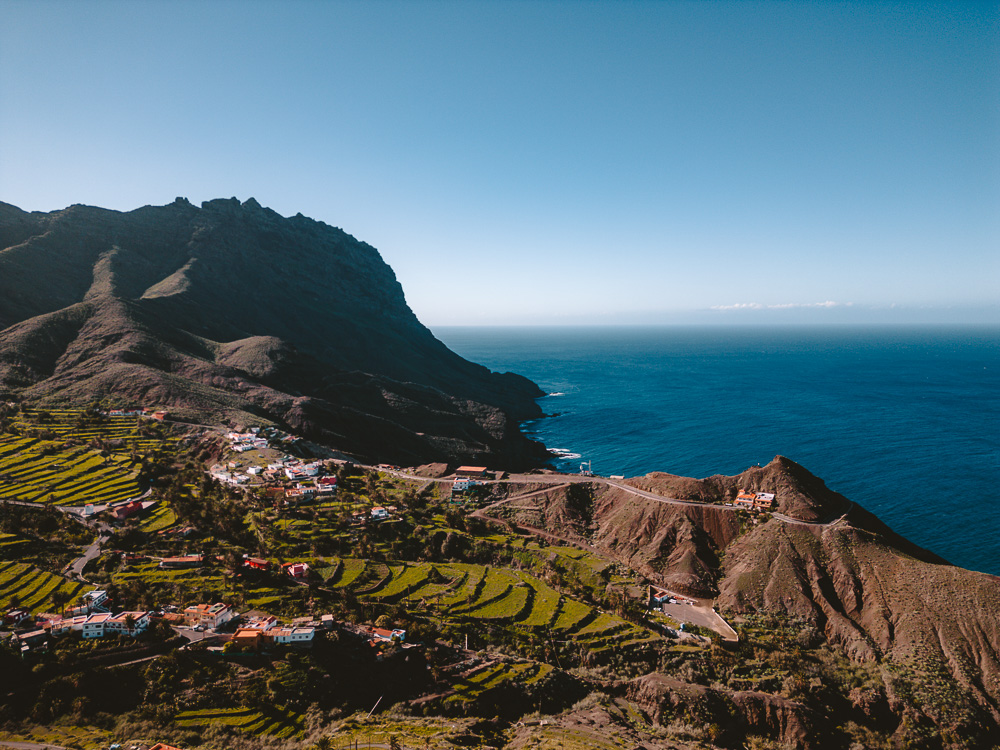
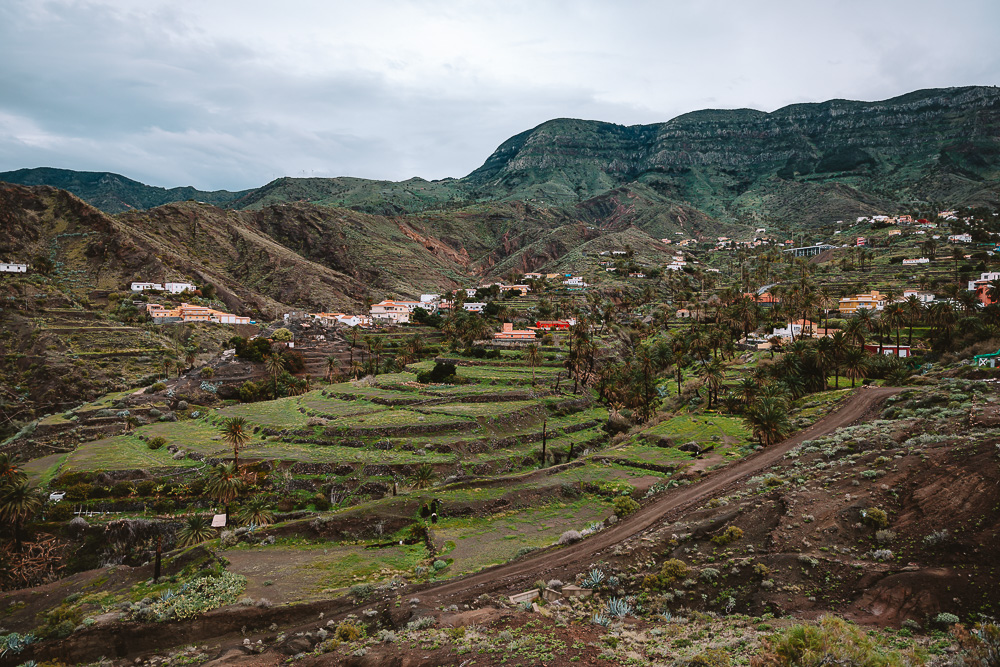
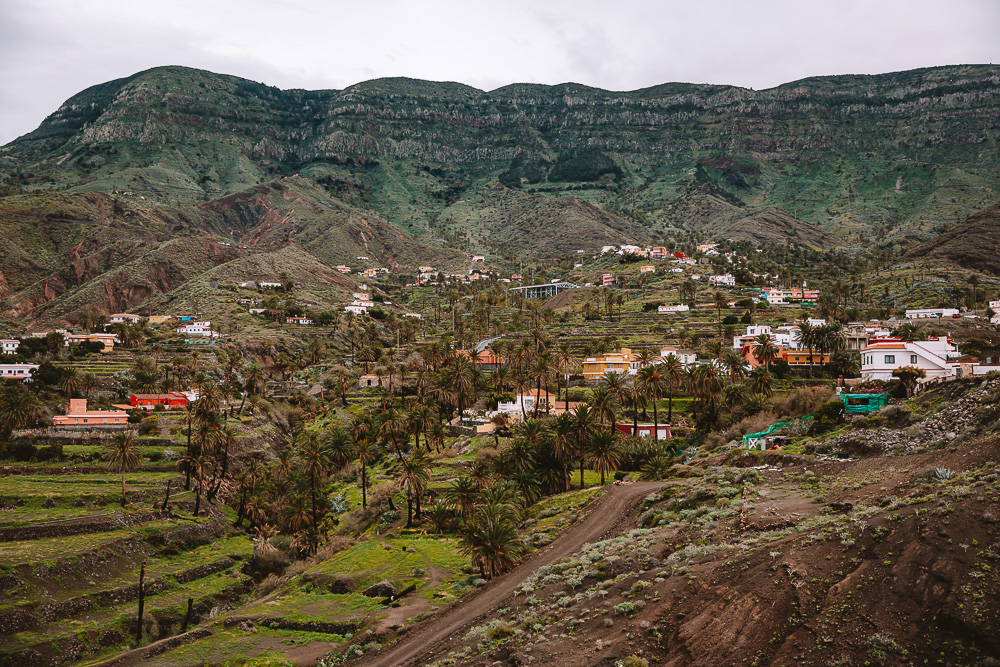
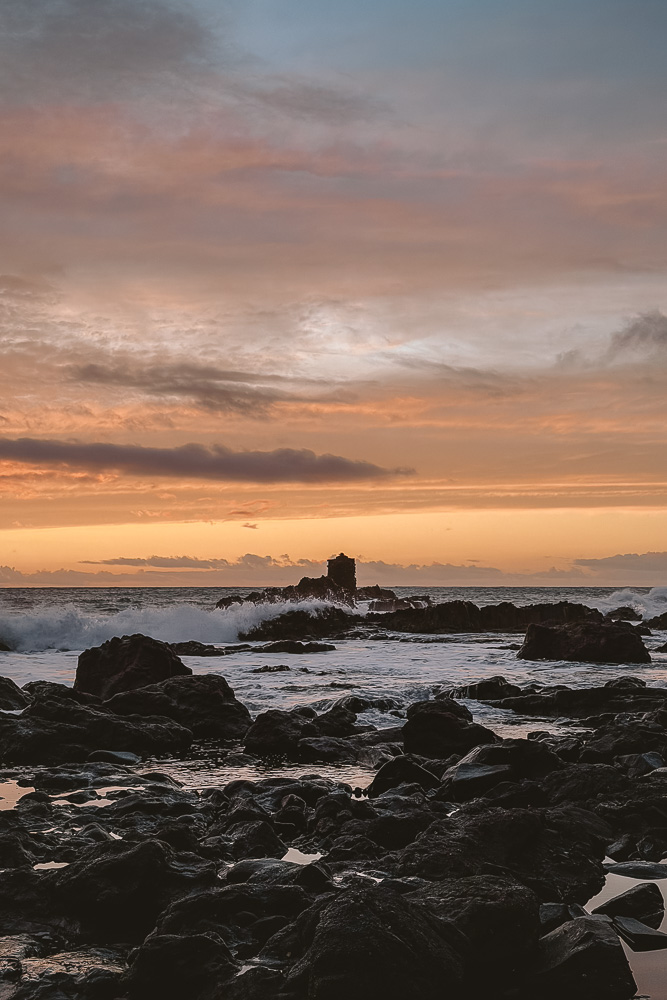
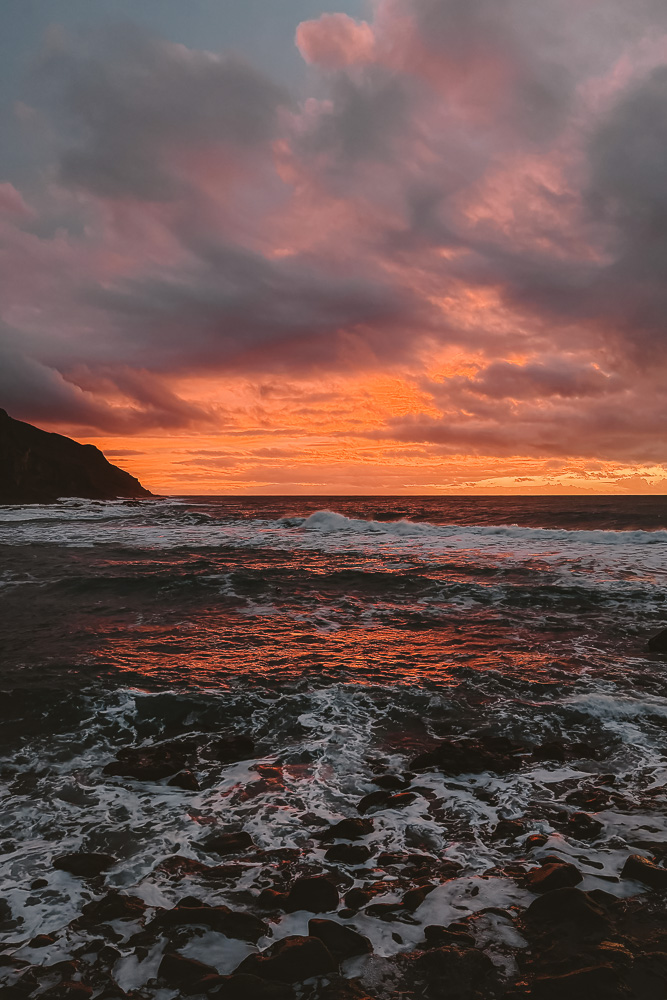
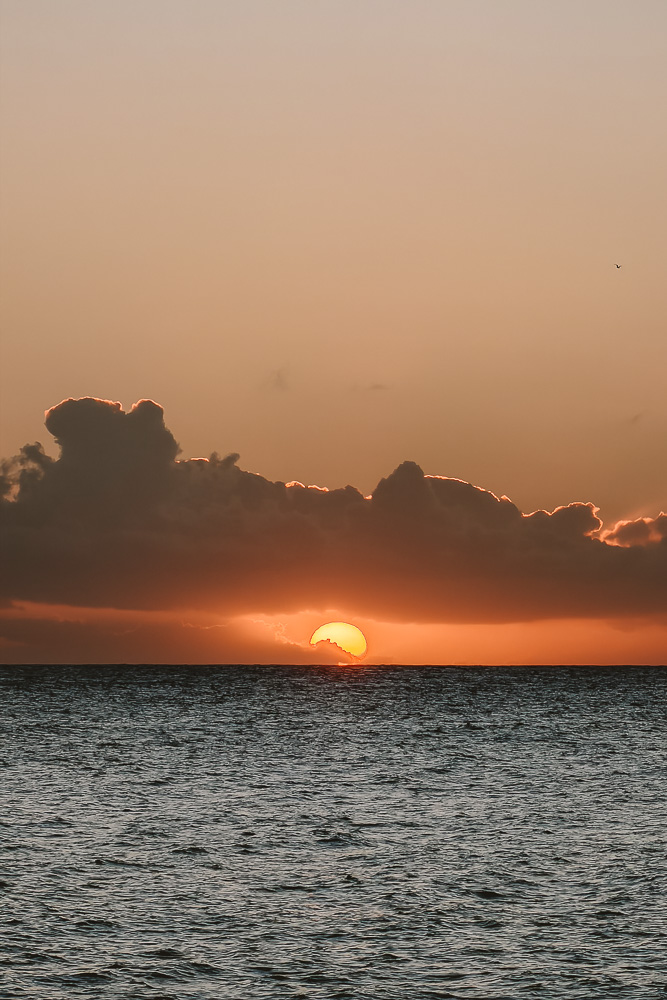
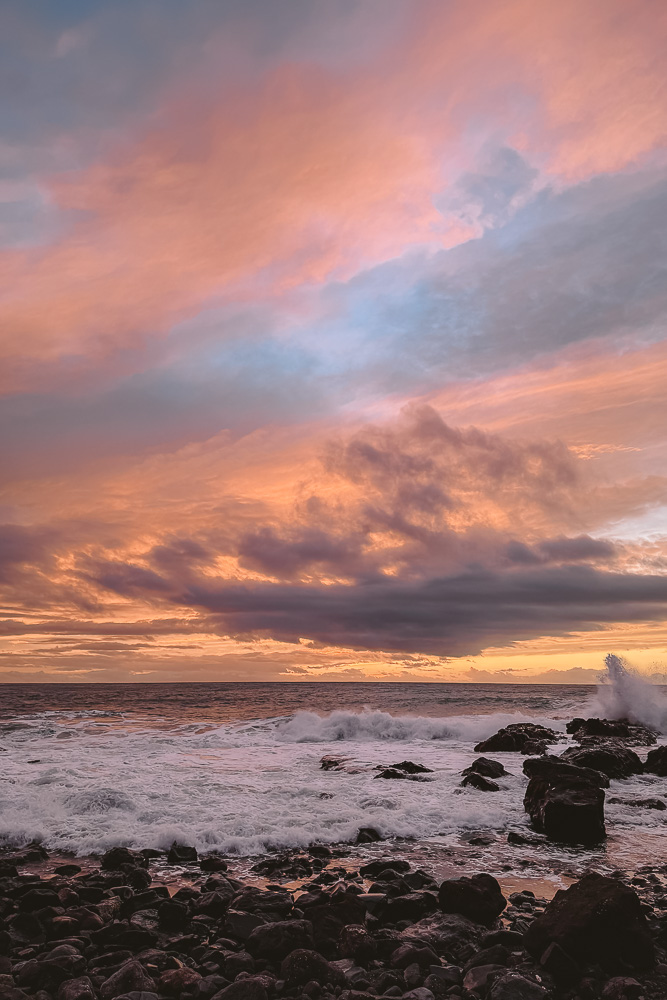
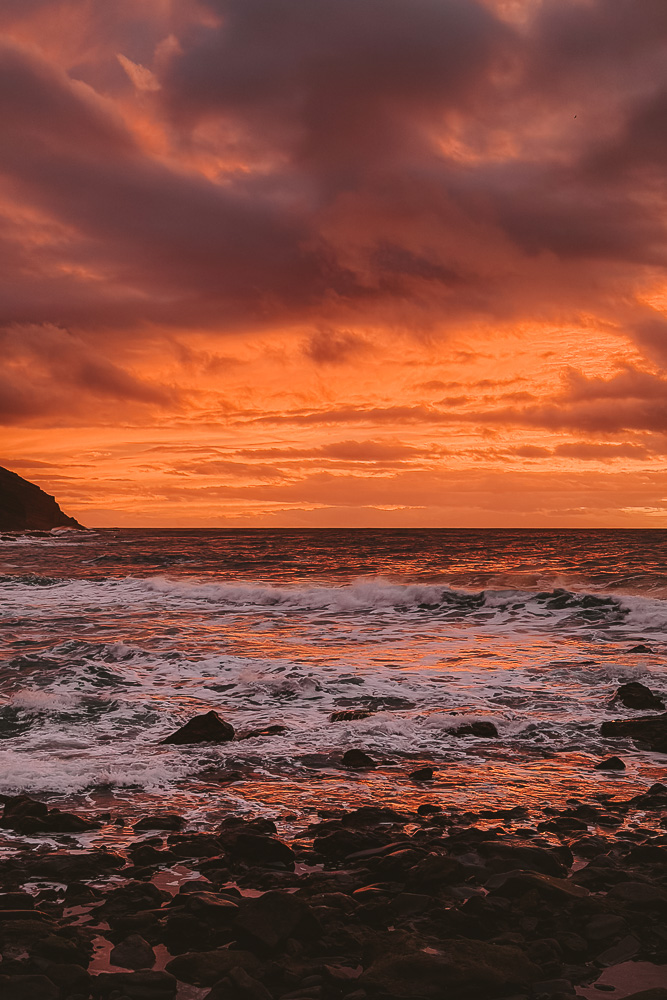
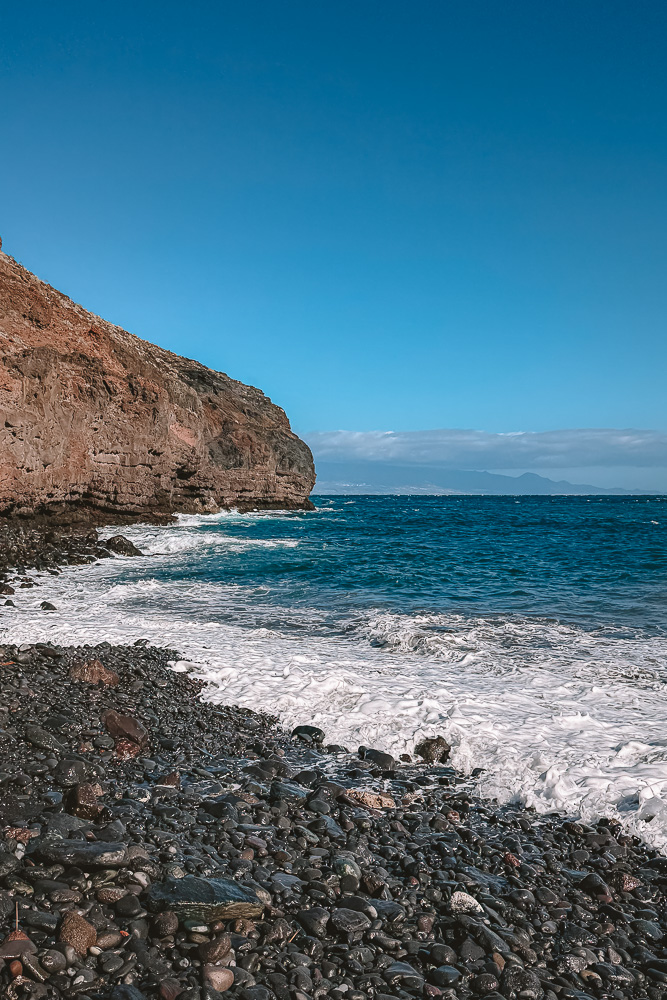
As the day fades, make your way to the pebble beach of Charco de Alojera. The sunsets here are among the most magical on the island: soft golden light, waves lapping at the stones, and total silence. It’s the perfect place to slow down and let the rhythm of the island sink in.
Day 5: Valle Gran Rey
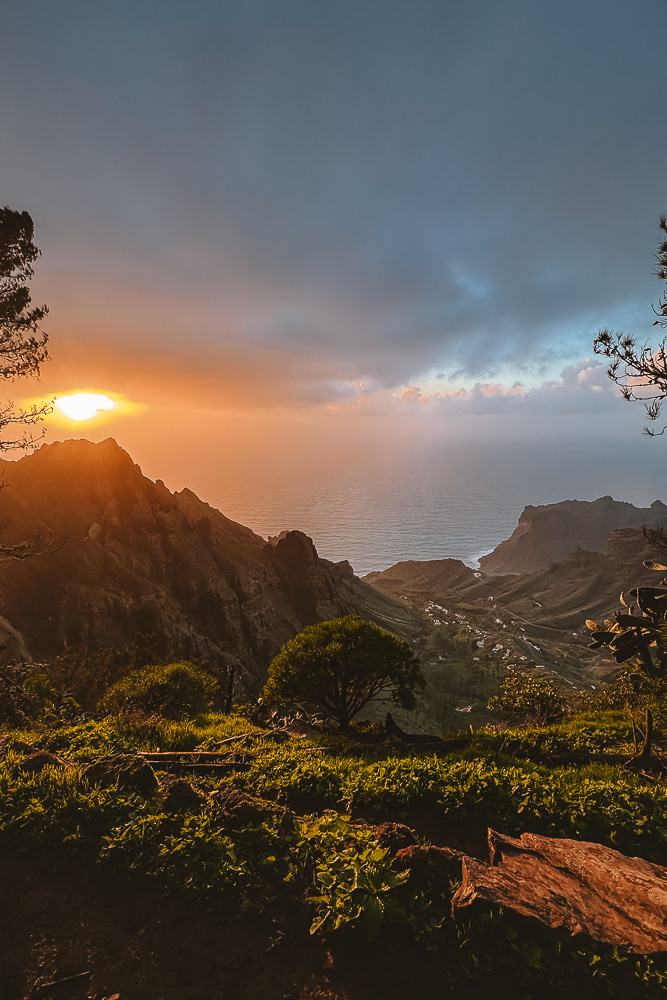
The next stop is Valle Gran Rey, one the most visited part of La Gomera, although I personally didn’t understand the hype of the town itself. However its surroundings are absolutely stunning. The dramatic cliffs, the viewpoints high above, and the golden light that floods the valley at the end of the day are magic.
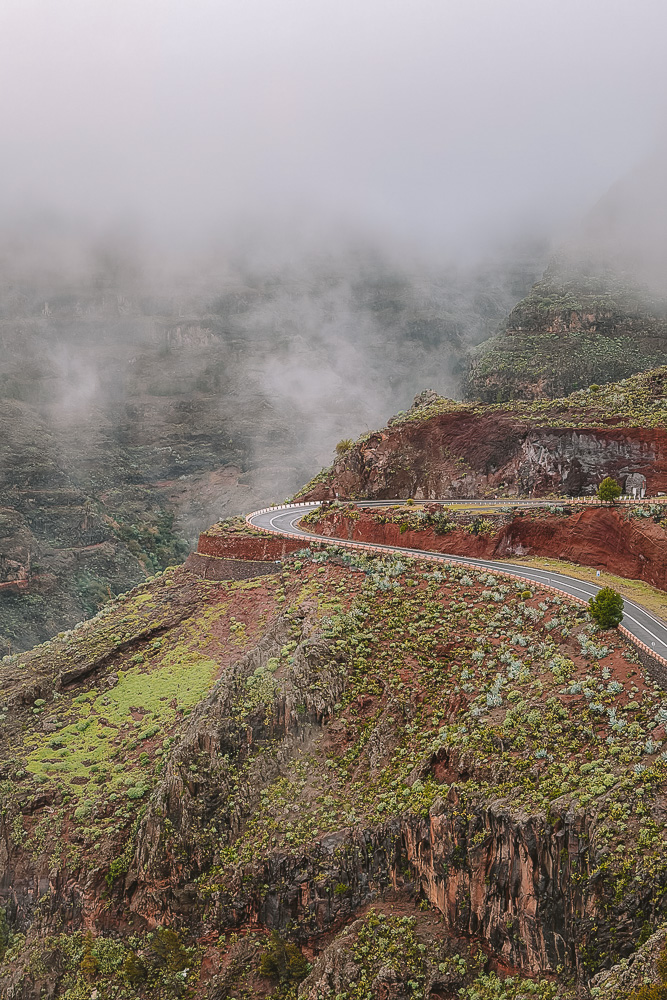
Start with the Mirador de El Santo (also great at sunset) and Curva del Queso, both offering breathtaking panoramas over the ravines and the Atlantic. If the sea is calm, take a boat trip from Valle Gran Rey harbor to spot dolphins and pilot whales. It is also the only place from where you can take a boat trip to see Los Órganos, one of La Gomera’s most fascinating natural wonders. These unique basalt rock formations resemble giant organ pipes and rise dramatically from the ocean. We unfortunately didn’t get to do any of it but I’m sure it is an unforgettable experience.
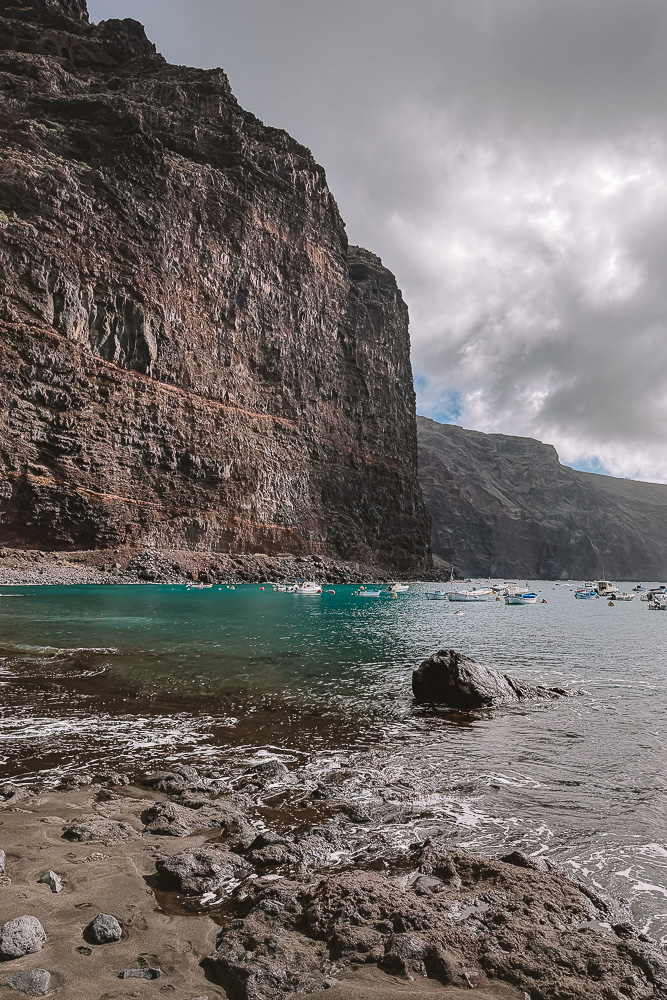
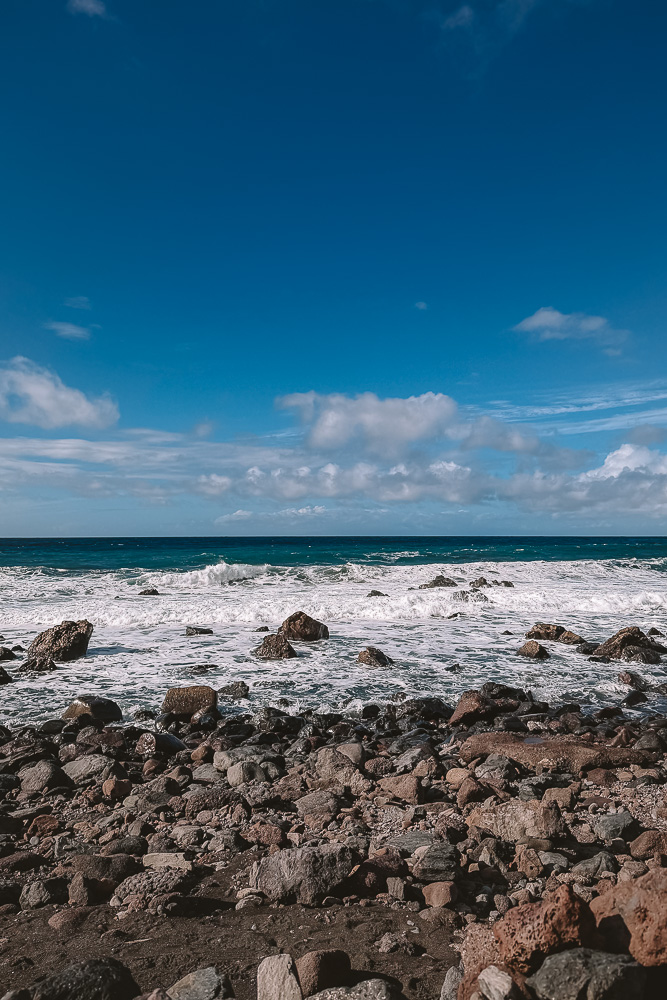
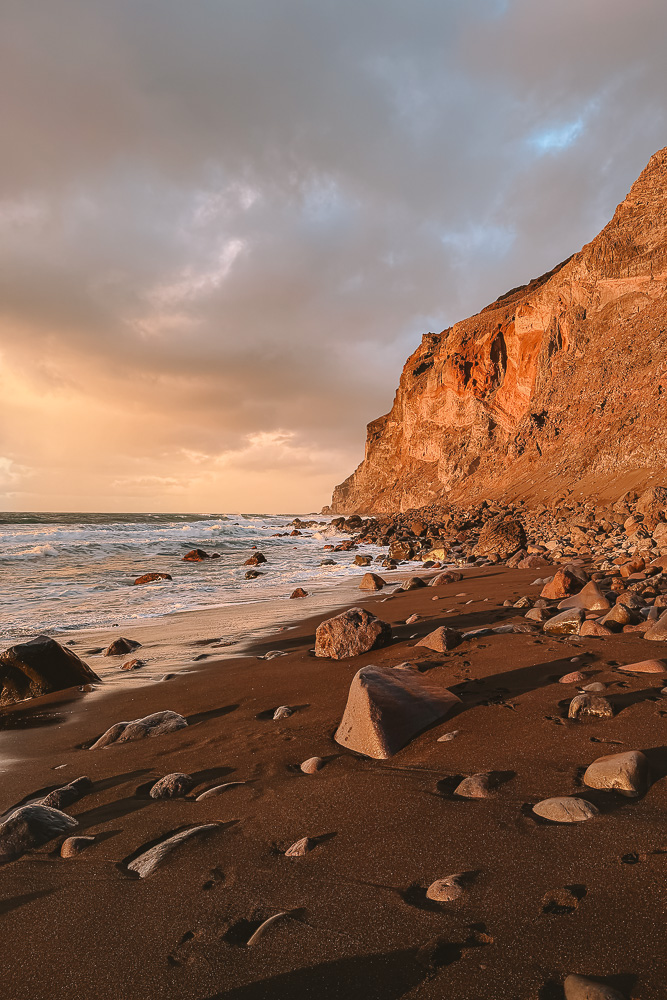
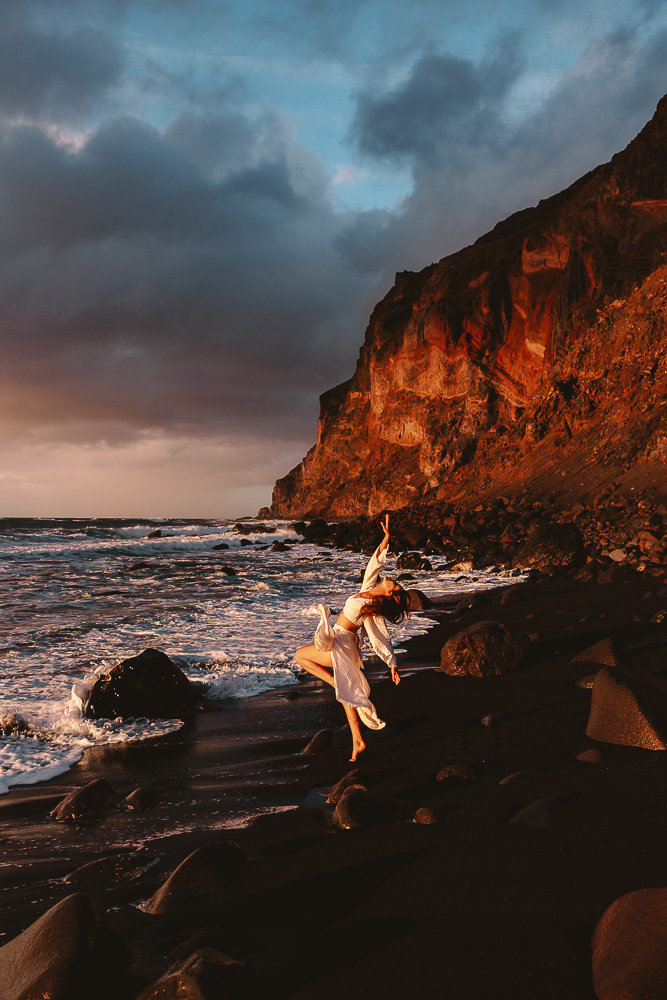
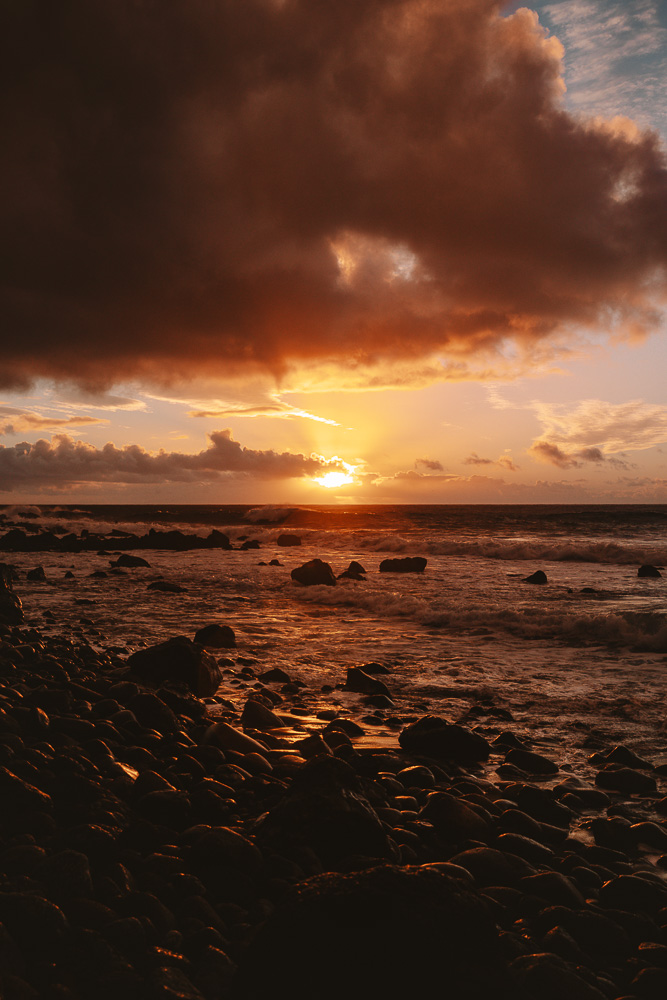
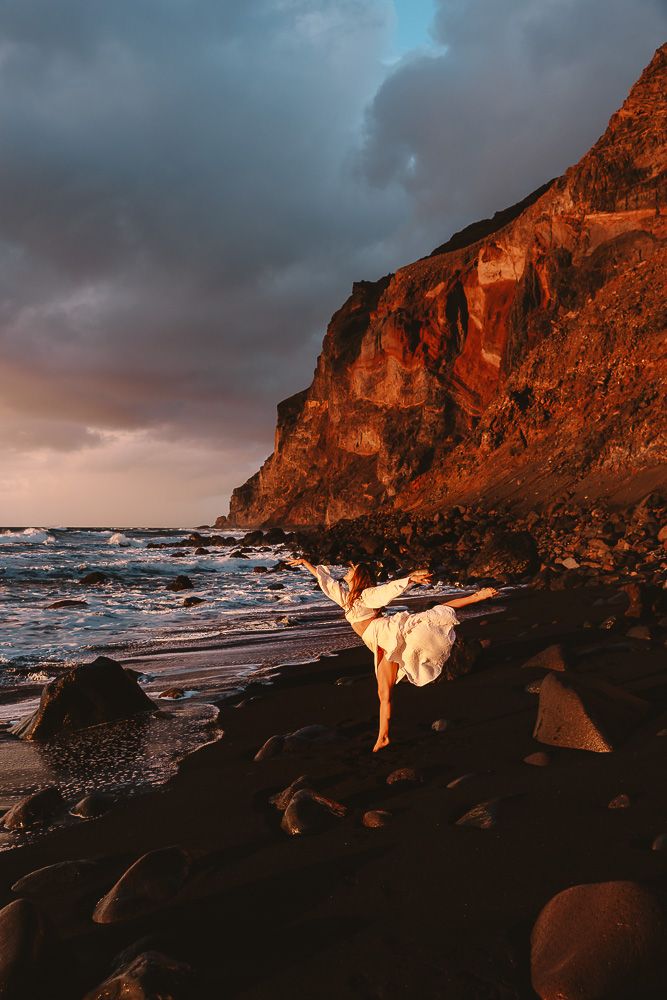
In the afternoon, head to Playa del Inglés, one of the island’s most beautiful beaches. Rugged cliffs rise behind the sand, and when the sun begins to set, the show begins: cliffs glowing orange, waves crashing, and silhouettes moving along the shore. It’s La Gomera at its most cinematic.
Day 6: Chipude & Alajeró
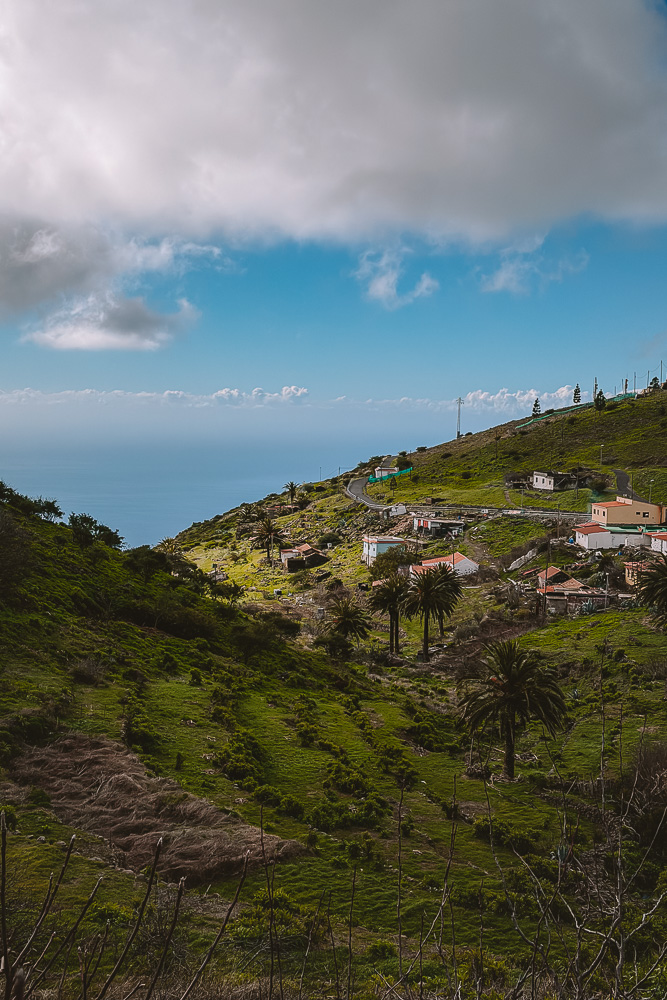
Trade the coast for the highlands and spend a day exploring the island’s traditional heart. In Chipude, hike up La Fortaleza, a flat-topped mountain that was once sacred to the island’s Guanche people. The views stretch across valleys, forests, and the distant sea.
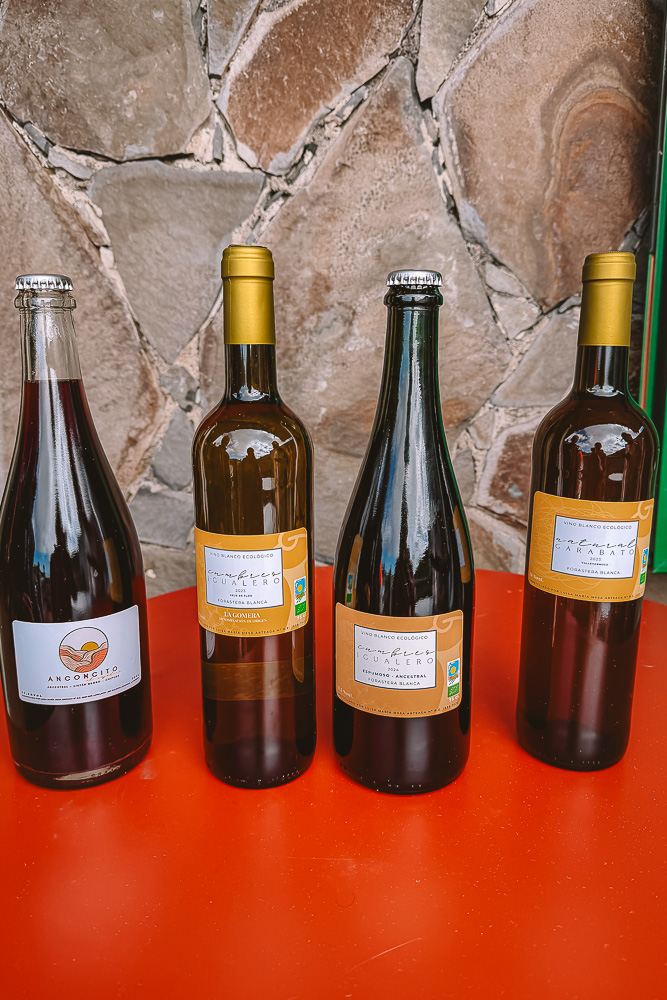
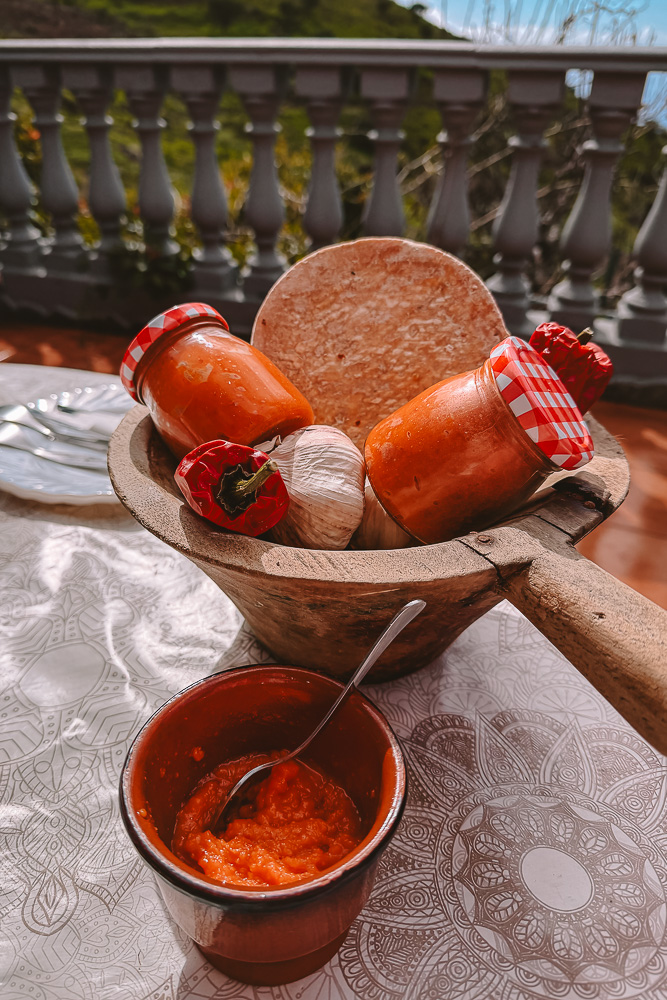
Continue to El Cercado, a small pottery village where artisans still work with ancient techniques passed down through generations. For lunch, head to Cumbres de Igualero, an organic bodega that serves homemade food and natural wines; just make sure to message them a day or two in advance to reserve a tasting.
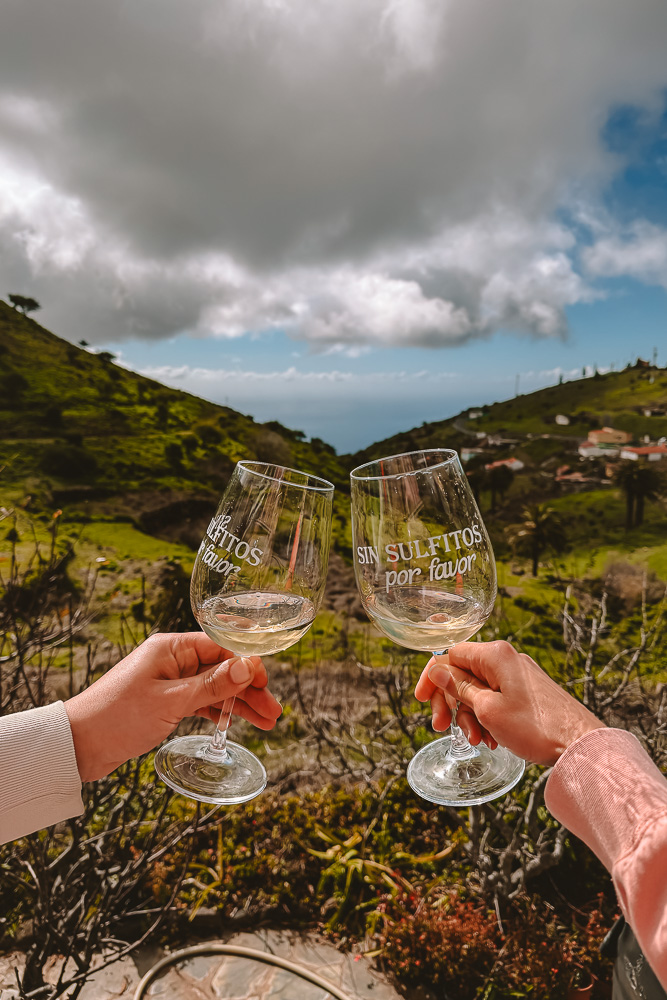
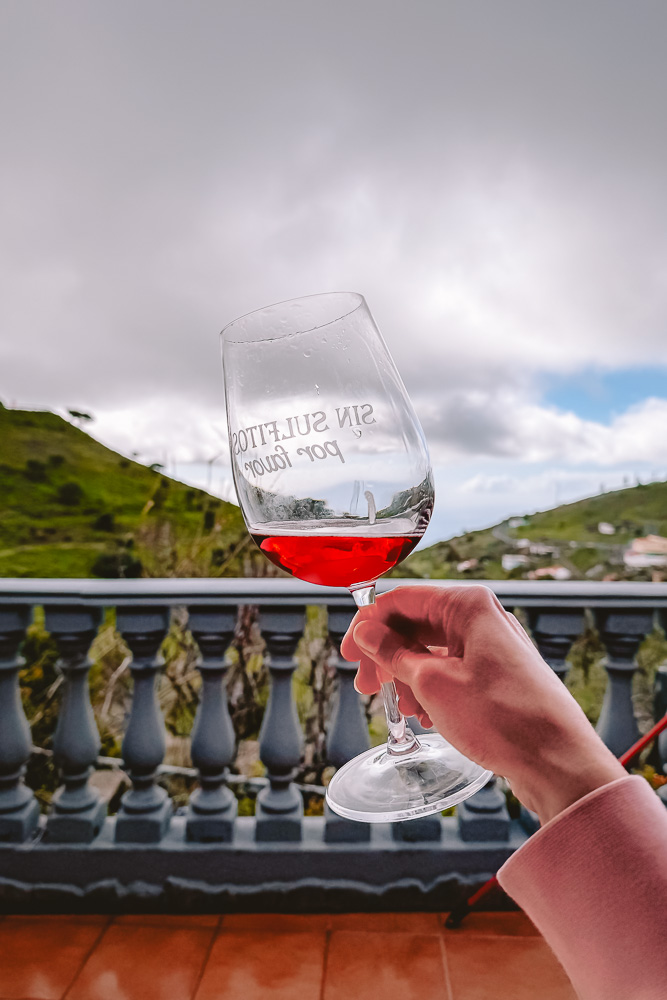
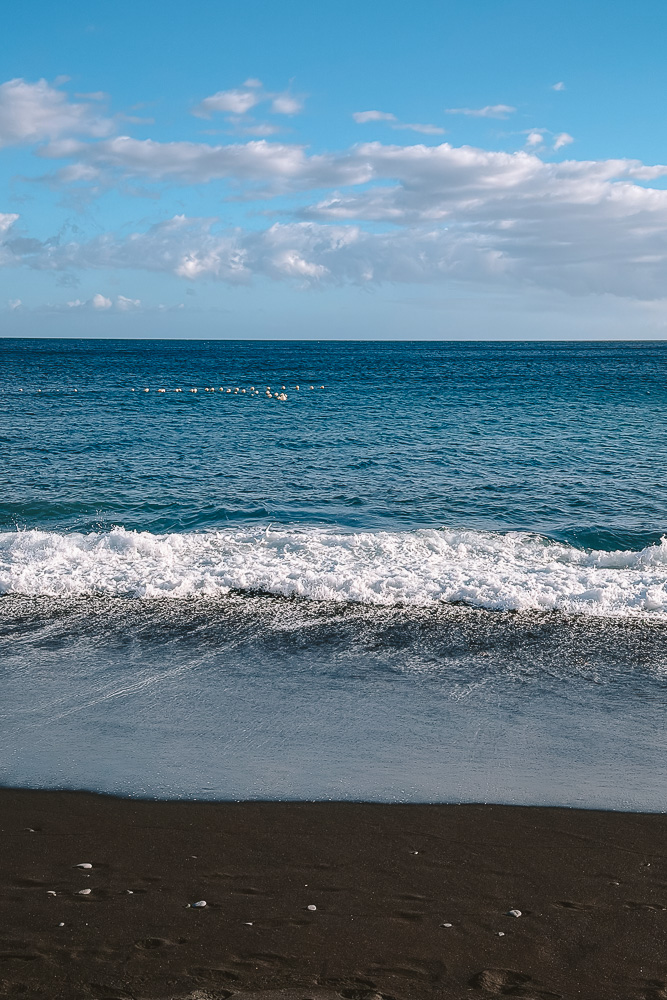
In the afternoon, drive toward Alajeró, stopping by the Ermita de San Isidro for wide views of the southern cliffs. End your day at Playa de Santiago, the sunniest part of the island, perfect for a swim and one last sunset by the sea.
Day 7: San Sebastián de La Gomera
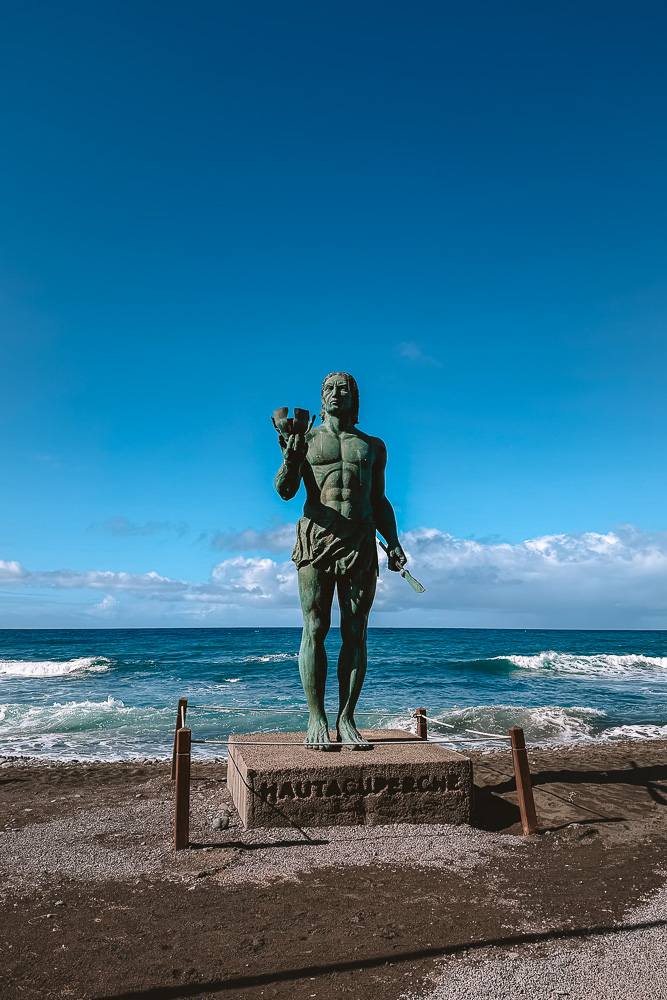
Finish your journey where it all began, in San Sebastián de La Gomera, the island’s charming little capital. It was from this very port that Christopher Columbus set sail for the Americas, earning the town the nickname La Ciudad Colombina.
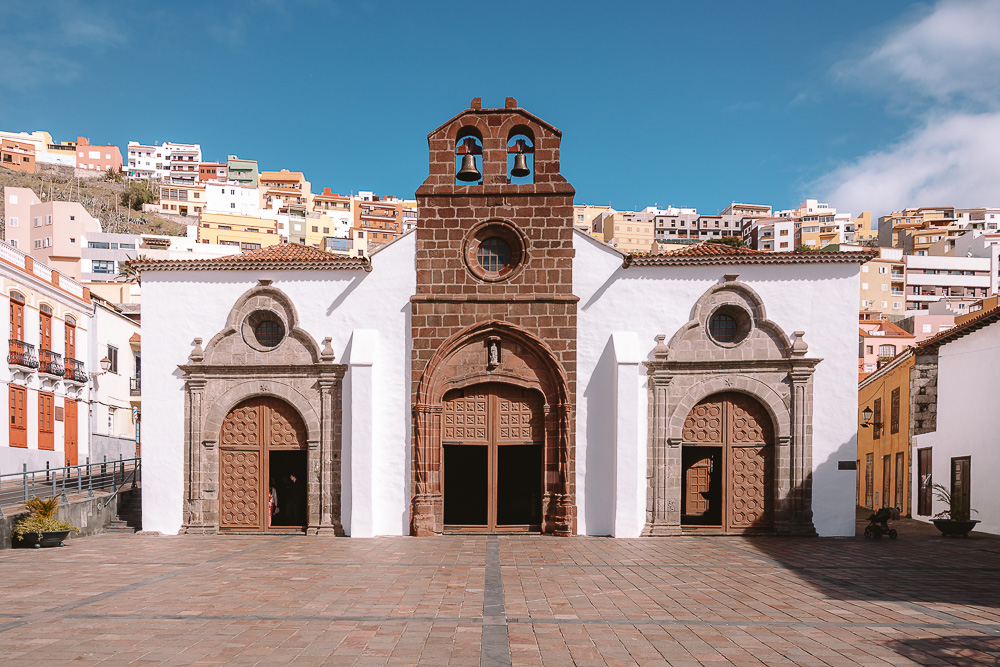
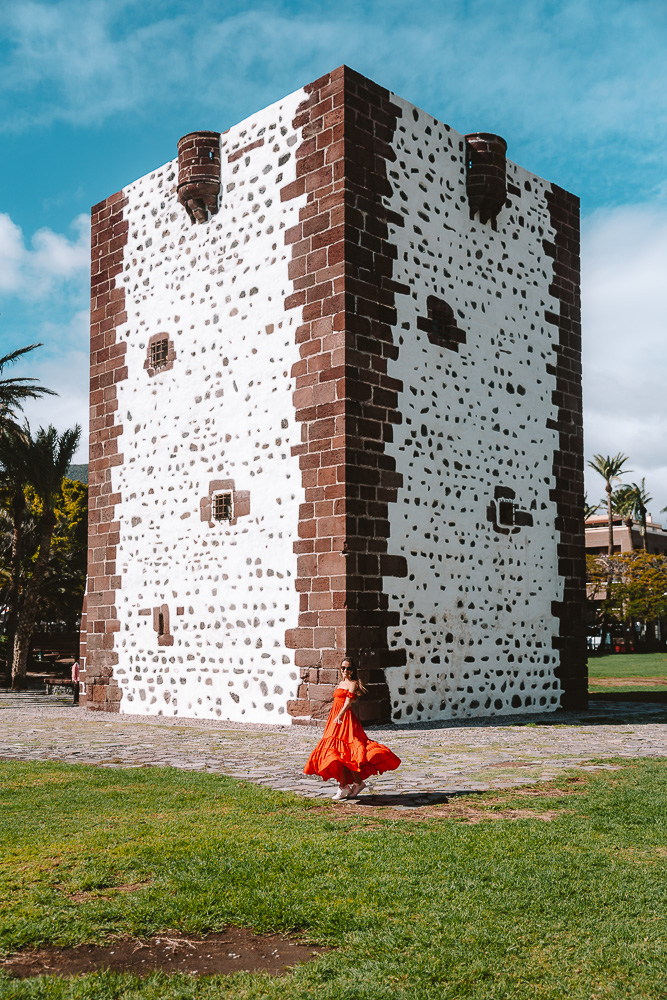
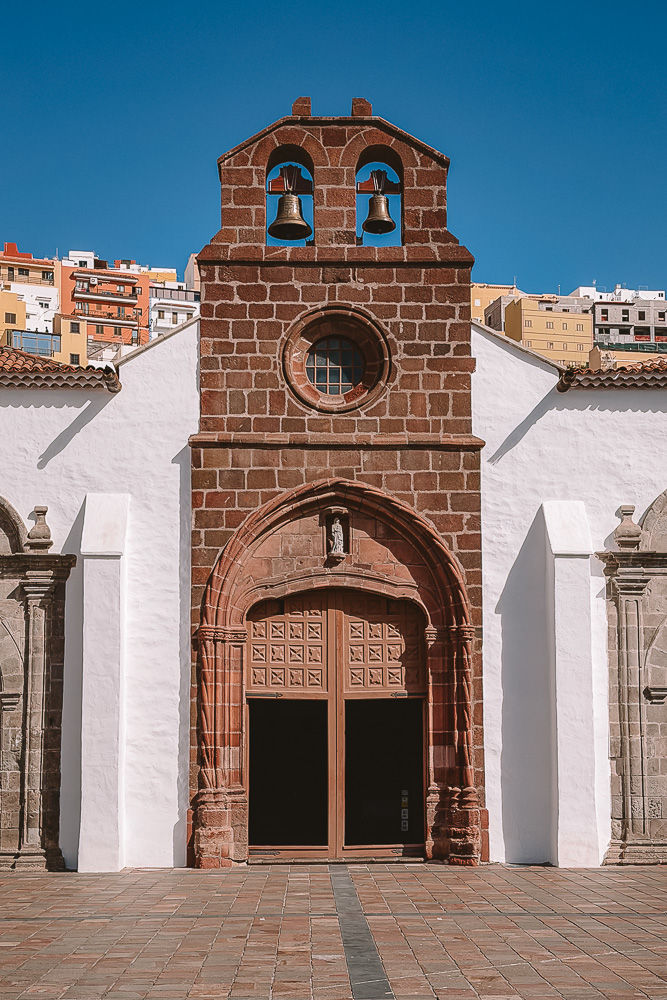
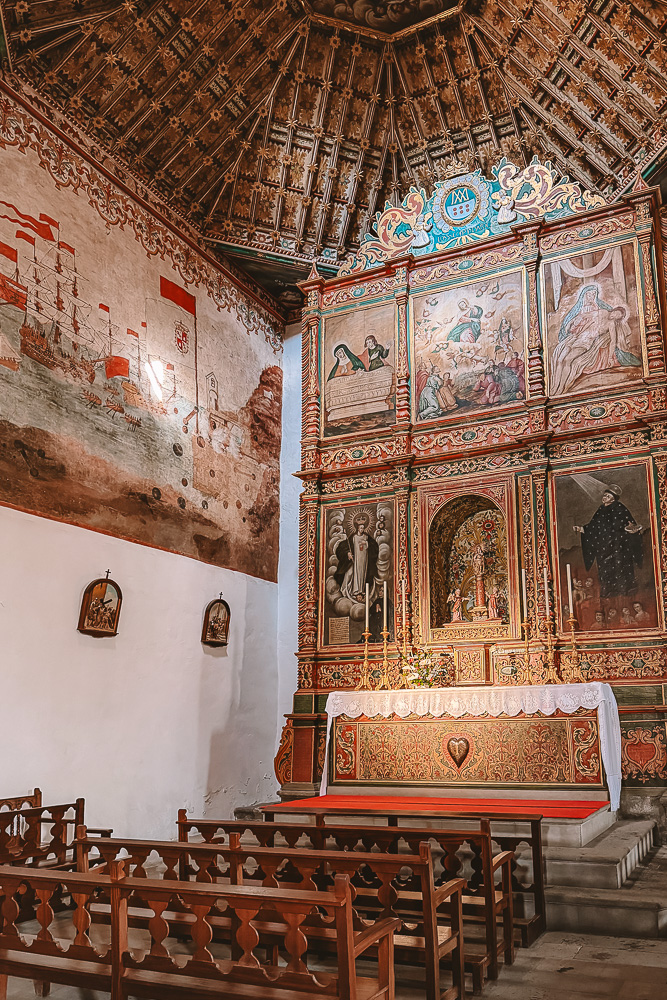
Wander through the center to see La Torre del Conde and the Iglesia de la Asunción, where Columbus is said to have prayed before his voyage. Stroll along the harbor and the old streets lined with cafés and palm trees. For one last swim, head to Playa de Ávalo, where the water is calm and Mount Teide rises on the horizon.
As evening falls, enjoy a relaxed dinner by the sea, grilled fish, local wine, and the feeling of having truly discovered one of the Canary Islands’ most magical corners.
General Information
Location & Getting There
La Gomera lies just west of Tenerife and is accessible by ferry from Los Cristianos (about 50 minutes). The ferry arrives in San Sebastián de La Gomera, the island’s small capital. There’s also a tiny airport in Playa de Santiago, with short local flights from Tenerife North and Gran Canaria.
Language
Spanish is the official language, but English and German are widely understood in tourist areas.
You might also hear something unusual, Silbo Gomero, the island’s ancient whistled language used to communicate across the ravines and recognized by UNESCO.
Currency
Euro (€). Cards are accepted almost everywhere, though small cash is useful for village cafés or wine testing.
Best Time to Visit
La Gomera enjoys mild, spring-like weather all year round, but each season offers a different mood.
In Winter, from October to April, the island is greener and more atmospheric: the north and center often wrapped in mist, rain, and drifting clouds, giving Garajonay National Park a mystical, almost enchanted feel. It’s the perfect time for hiking and photography, when the forests come alive with color and texture. While the south (Alajeró and San Sebastián) are usually drier, sunnier, and warmer, making them ideal for beach walks or long lunches in the sun.
In Summer, from May to September, the weather turns hotter and drier overall: great for swimming and coastal days, but bring a hat and plenty of water if you plan to hike.
Getting Around
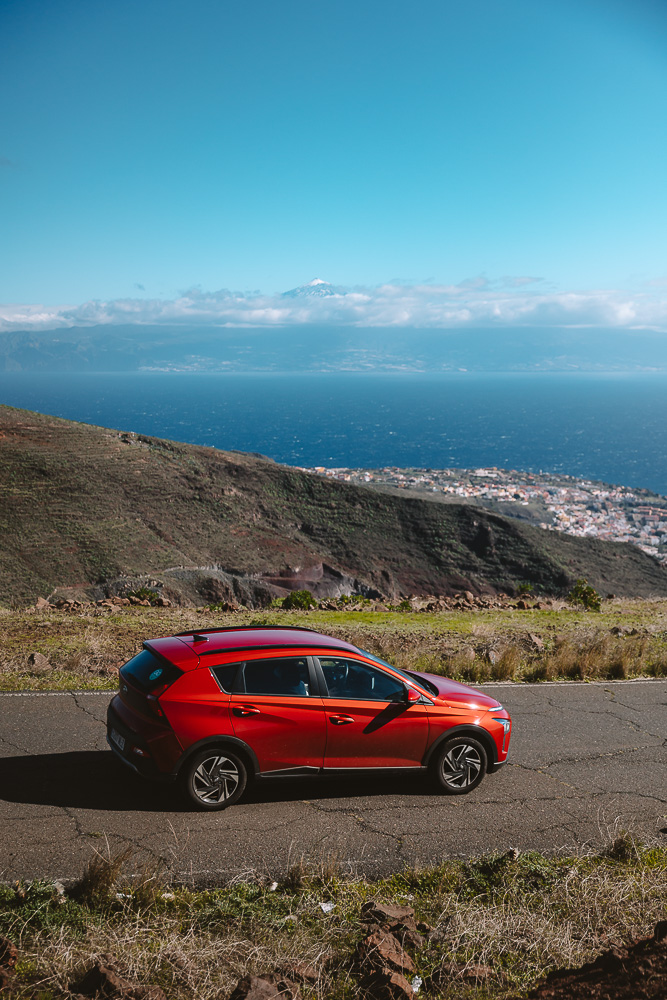
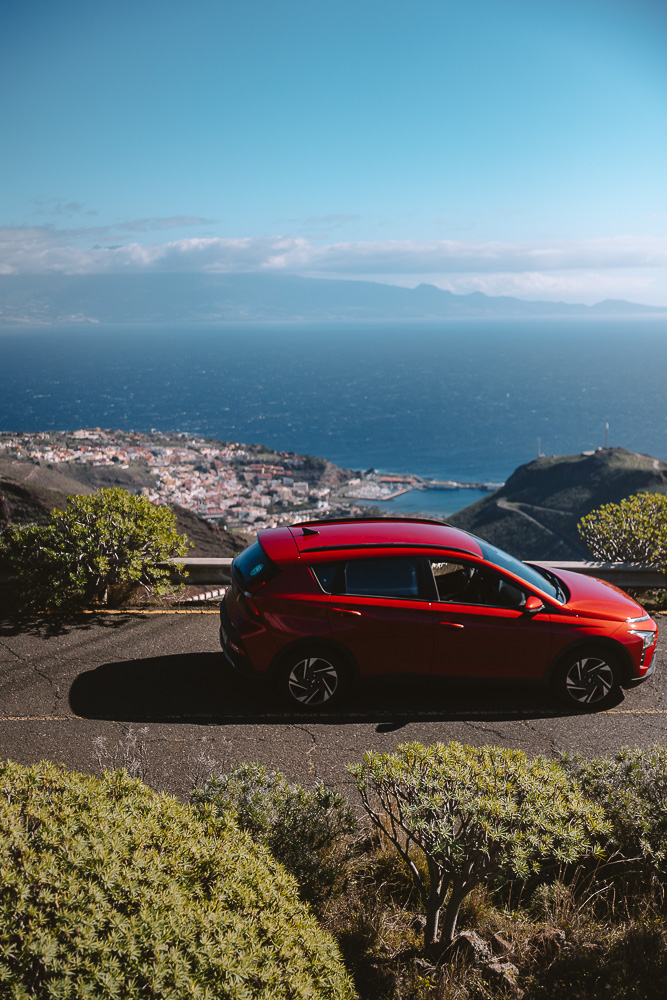
There’s very little public transport, and roads are steep and winding (but spectacular). I’d highly recommend to rent a car to explore freely. This time, we booked with Sunny Cars for full insurance coverage, something I highly recommend given how steep and winding the roads are on La Gomera. Driving distances are short, but allow time as the curves are slow, and you’ll want to stop constantly for photos. If you don’t want to drive, I recommend you to book a day trip from Tenerife. Alternatively, it is the best island to do a multi-day hike around!
Where to Stay
La Gomera is small, but each area has its own atmosphere:
- Agulo / Hermigua: lush scenery and close to Garajonay National Park.
- Alojera: peaceful and authentic, perfect for sunsets (where I stayed).
- Valle Gran Rey: lively coastal base with restaurants and beaches.
- San Sebastián: convenient for arrivals and departures.
- Alajeró / Chipude: mountain villages surrounded by rural calm.
Local Cuisine
Expect simple, honest food with strong local flavors:
- Fresh goat cheese and almogrote (cheese spread with mojo and paprika).
- Palm honey (miel de palma), unique to La Gomera.
- Local wines like Forastera Gomera, often organic and natural.
- Traditional potaje de berros (watercress soup) and slow-cooked goat stew.
Don’t miss tasting wine and cheese at a family bodega such as Cumbres de Igualero (send them a text at least the day before so they can prepare a true feast for you!)
Travel Tips
- Always check the weather before hiking, conditions can change quickly between the coast and the mountains.
- Bring layers as it can be cool and misty in Garajonay and hot by the sea.
- Fill up your tank as soon as you see a gas station, they’re limited outside the main towns.
- Drive slow and stop often: the island’s beauty is the road.
La Gomera is not about ticking boxes, it’s about slowing down, breathing, and feeling connected to nature. It’s the real magical island (La Isla Mágica) of the Canaries, small, wild, and unforgettable. And if you’re dreaming of paradise-like beaches, turquoise water, and endless sunshine, make sure to check out my Ultimate Travel Guide to Fuerteventura, another Canary Island with a completely different kind of magic.
I hope this travel guide will inspire you to visit La Gomera, a true hidden-gem in Europe and the perfect place to escape European winter! I’ve put everything I thought would be useful and necessary for you to plan your best trip there. You can also check all of my stories highlights on Instagram. As always, feel free to ask me anything via the comments or DM! Don’t forget to tag me in your stories and posts if this article inspired you!
With love,
Marina
💡 Did you know that…
By purchasing through my links, you support me at no additional cost.
Thank you for your support. ♥️
If you liked this post, pin it for later!

Garajonay National Park reminds me so much of Anaga Rural Park in Tenerife, with its beautiful laurisilva forests. La Gomera has been on our travel list since enjoying Tenerife.
Author
Yes it is very similar! You’d love La Gomera then!!!
I haven’t heard of this island before but it looks stunning so I would love to go there for a relaxing vacation someday.
Author
It is definitely not on the beaten path of the Canary Islands! I hope you get to go anytime soon, I’m sure you’ll love it!
This is a really useful and well-structured guide. I like how clearly you break down the one-week itinerary day by day — especially separating Garajonay National Park from the coastal villages, which makes planning much easier. The practical sections on getting around and where to stay are helpful too, since La Gomera isn’t the easiest island to navigate without good prep.
Author
Thank you very much, glad you appreciate it!
Beautiful post and beautiful photos!
Author
Thank you so much!
I’ve been thinking about visiting the Canary Islands for some winter sun and La Gomera looks like the perfect place for me. Your photos are really lovely.
Author
I love spending winter in the Canary Islands and can’t recommend it enough!
I loved Gomera. It felt more wild and natural. I wish I had more time. Tenerife is too commercial.
Author
Agree, I loved it too and don’t regret spending 9 days there when most people only stay a few days!