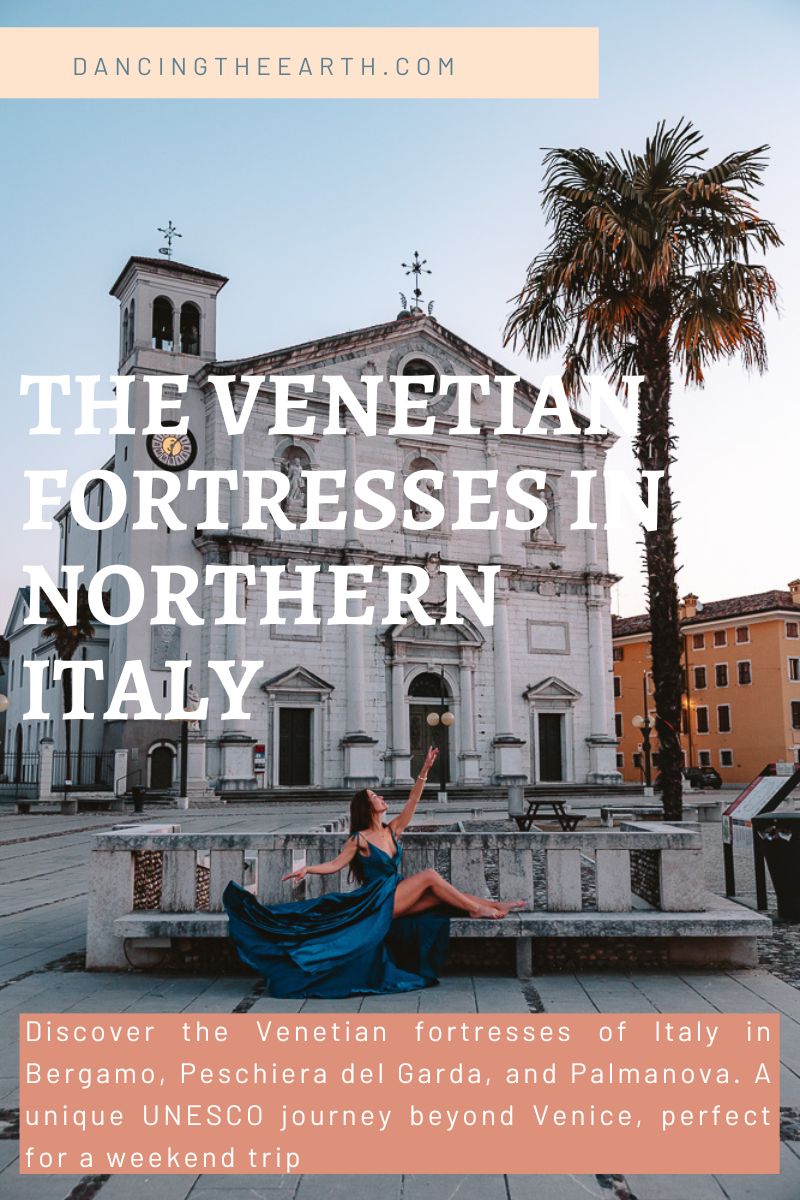
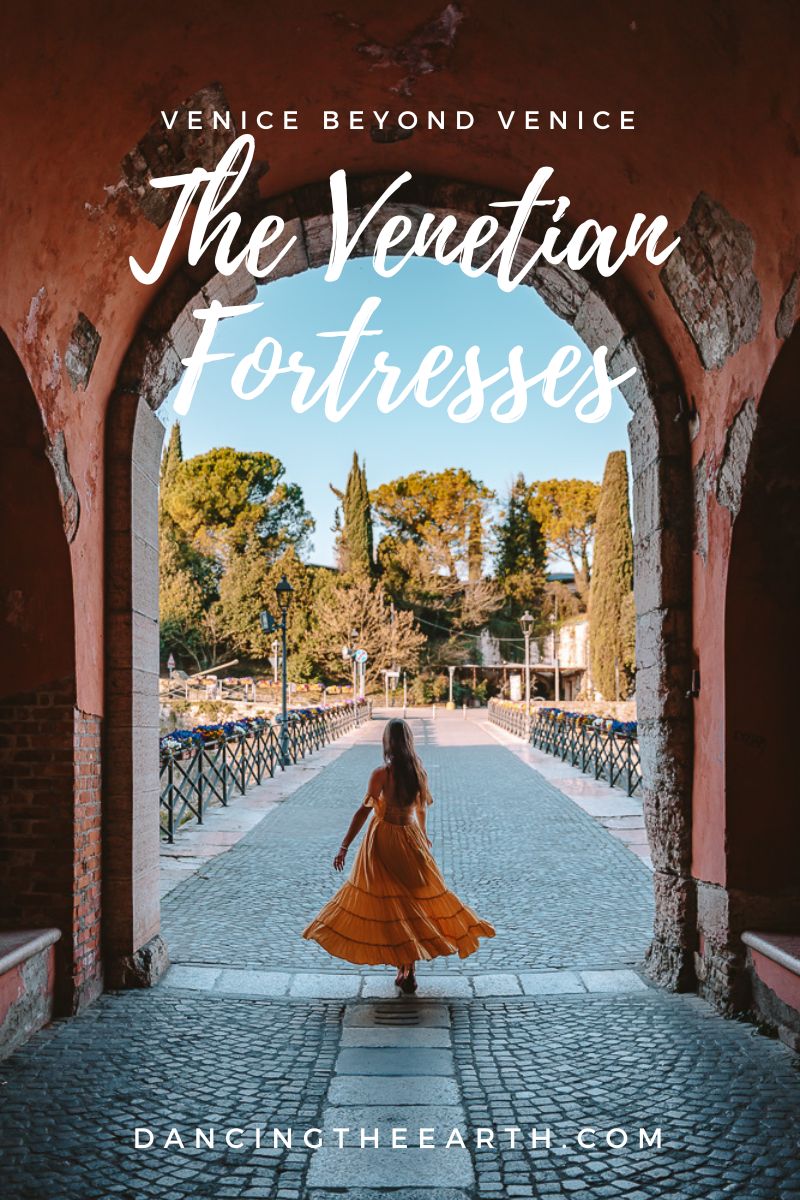
Ciao Italia! In March, I had the chance to explore three incredible Venetian fortresses shaped by the power of the Republic of Venice. From the hills of Bergamo to the shores of Lake Garda, and all the way to the perfectly geometric town of Palmanova, this journey felt like stepping into a living history book, where architecture, politics, and geography intertwine.
Easily accessible from Milan or even Venice, these fortresses make perfect additions to a Northern Italy itinerary!
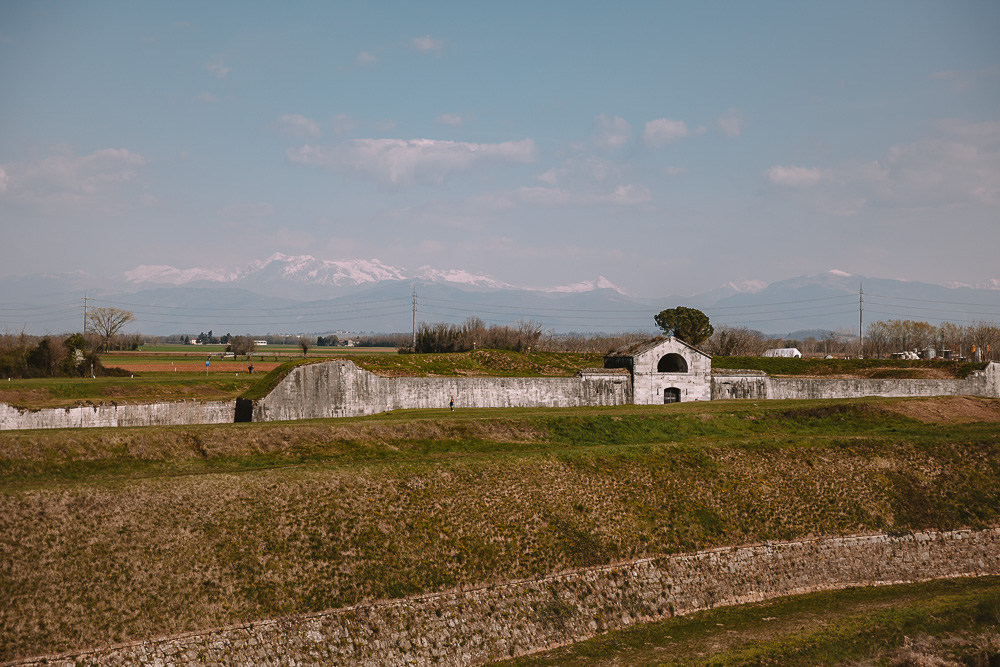
A brief history of the Venetian fortresses
Between the 16th and 17th centuries, the rise of gunpowder completely transformed warfare. Suddenly, medieval walls were no longer enough. To defend its vast territories, the Republic of Venice developed an ambitious defensive network. It stretches over 1,000 kilometers, from Northern Italy to the eastern Adriatic coast.
In total, six fortresses were constructed: three in the Stato da Mar, securing maritime routes across the Adriatic, and three in the Stato da Terra, protecting Venice from European powers to the northwest.
Today, these sites are part of a unique UNESCO World Heritage Site, spread across Italy, Croatia (Šibenik and Zadar), and Montenegro (Katar), a rare example of shared, transnational heritage.
Bergamo
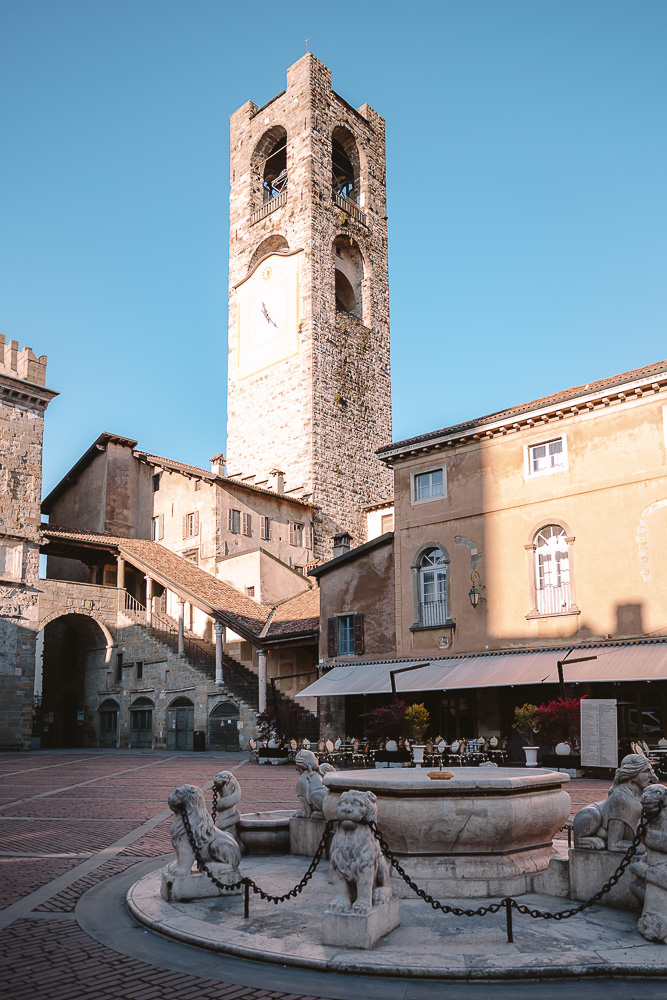
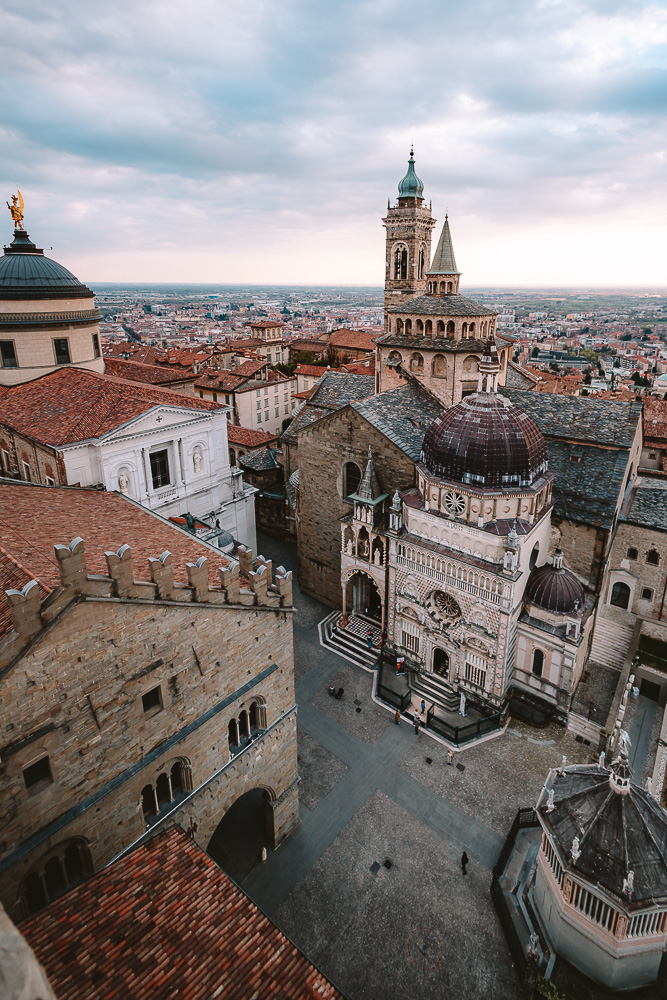
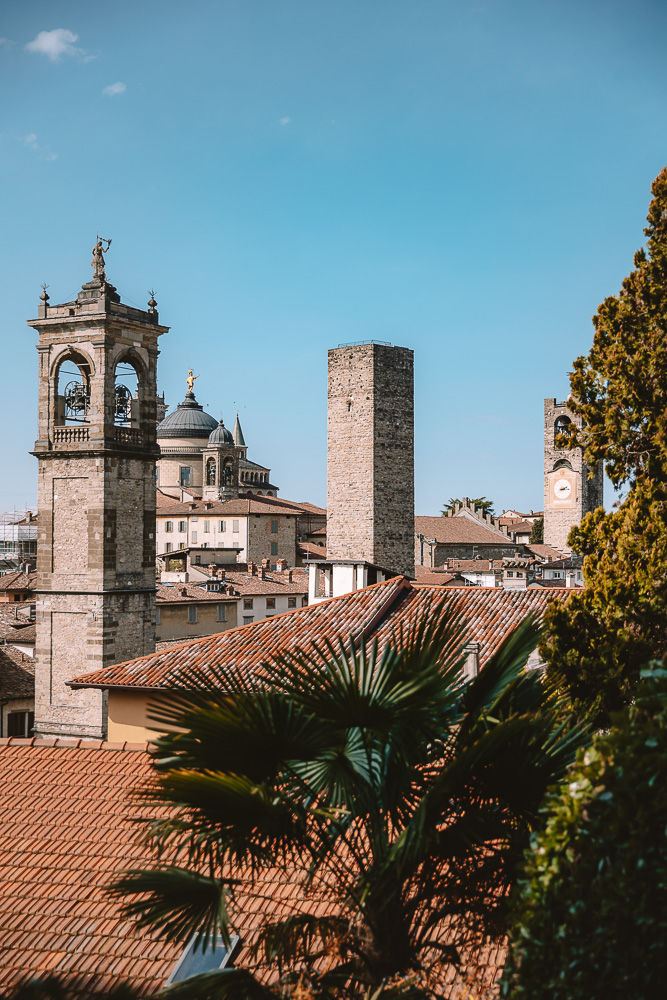
Bergamo is a city split in two parts: Città Alta, the historic upper town enclosed by the walls, and Città Bassa, the modern city below. Perched above the modern city, Città Alta feels like a world apart. Bergamo was the westernmost edge of the Venetian republic. It was a defensive city against the Duchy of Milan and a key point for controlling trade routes between the plains and the Alps.
While many cities were conquered by the Republic of Venice, Bergamo made the choice to join it in 1428. For its inhabitants, Venice represented more than military power. It meant economic opportunities, cultural influence and overall, a better quality of life.
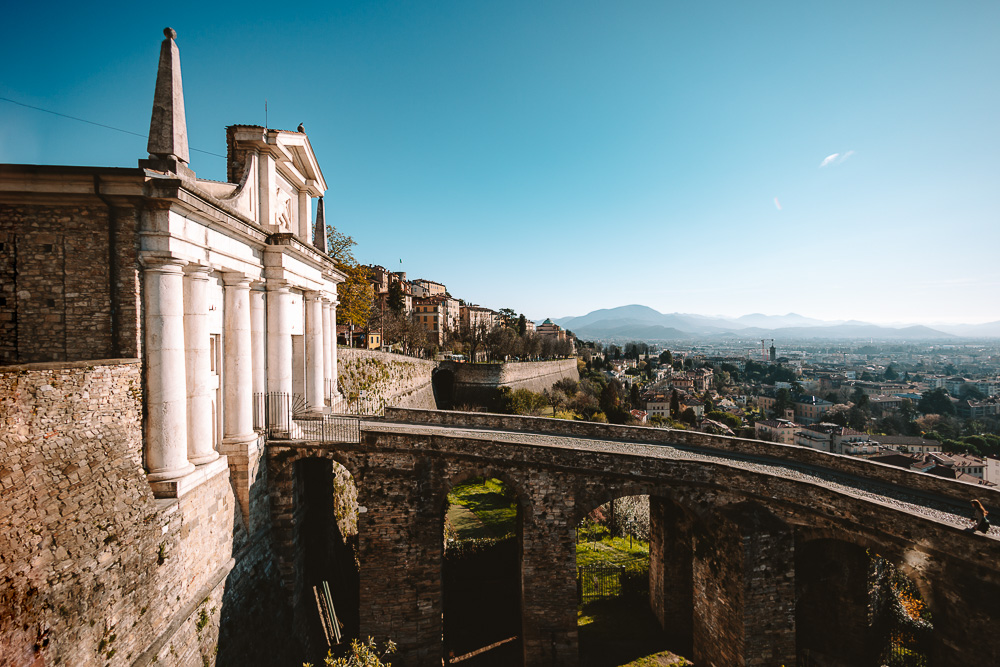
Its impressive Venetian walls, built in the second half of the 16th century, stretch over 5 kilometers and still define the skyline of Città Alta today. Walking along them, you can feel how strategic this place once was, but also how surprisingly peaceful it feels now.
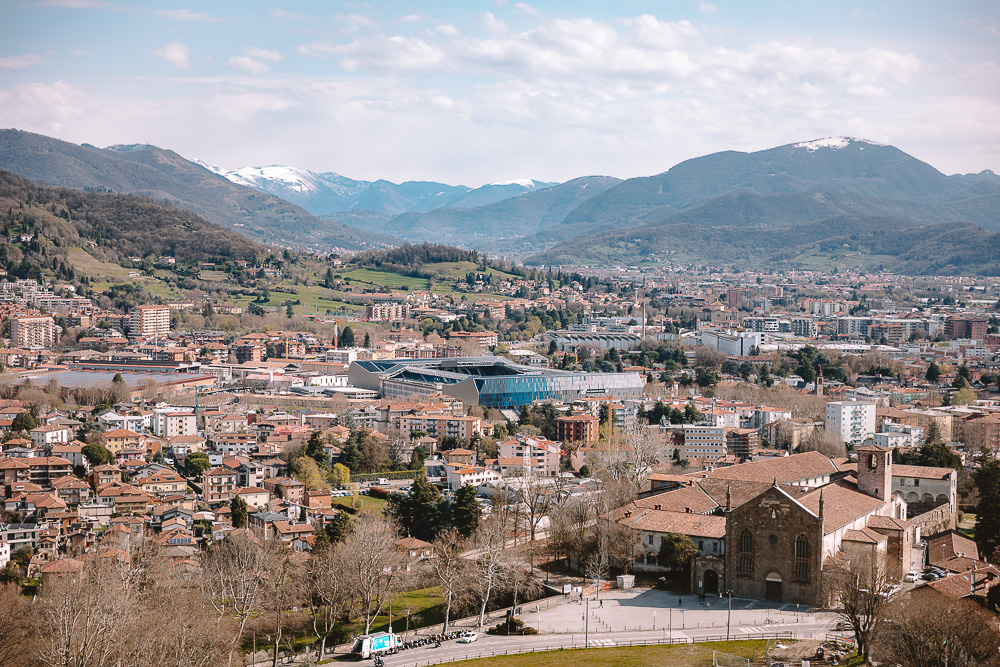
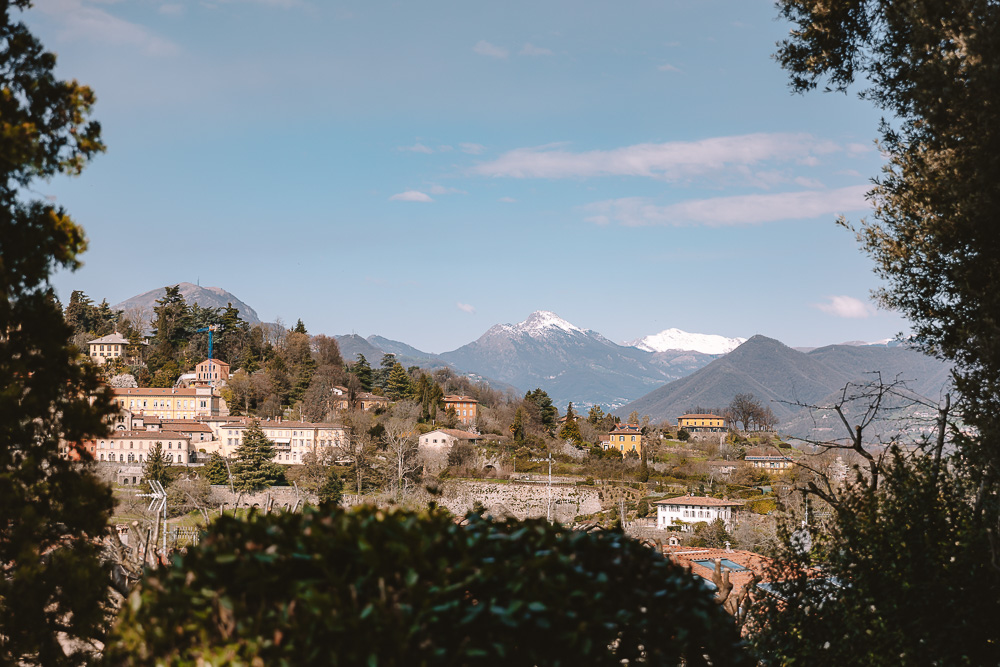
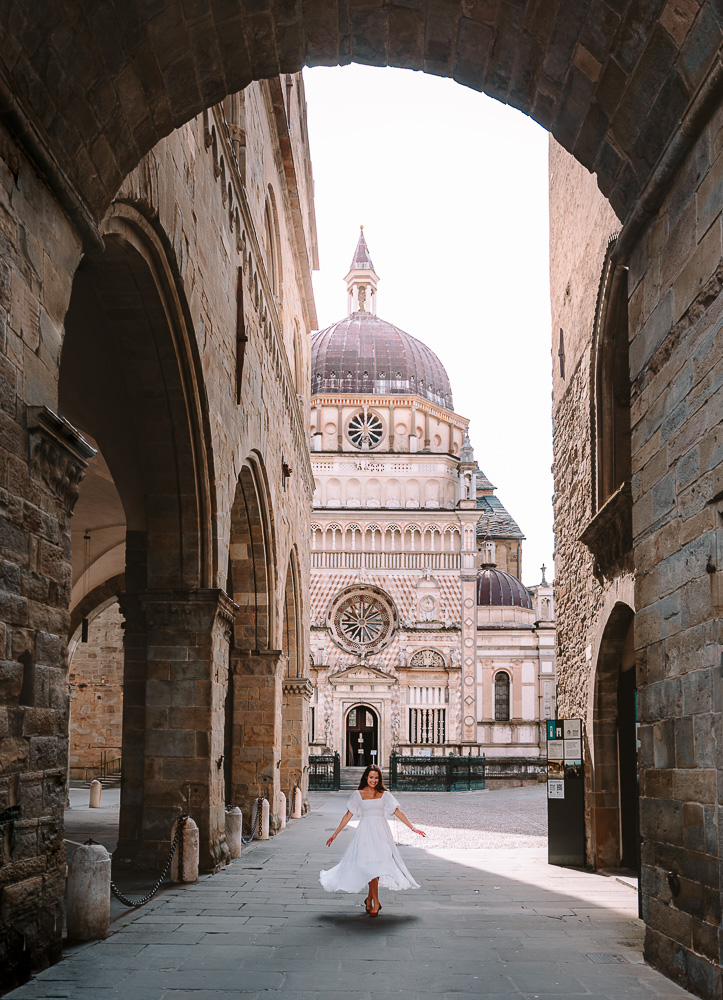
From a photography perspective, Bergamo is all about layers and viewpoints.
・The City Gate (Cinta Muraria), perfect for a framed shot.
・The Venetian walls offer sweeping panoramas, especially at sunset.
・Rocca di Bergamo gives one of the best views over the city and the surrounding mountains.
・The Funicolare is a beautiful way to capture the transition between upper and lower town.
Best things to do in Bergamo:
– Guided tour of Città Alta
– Casoncelli cooking class
– Day trip from Milan & Franciacorta winery
Where to stay in Bergamo:
– Palazzo Santo Spirito
Bergamo is a hidden gem in Italy and has so much to offer! I recommend you to spend at least 48 hours in Bergamo so you can truly see its beauty. It is also nice taken as a day trip from Milan, as it is only 40 minutes away by train!
Peschiera del Garda
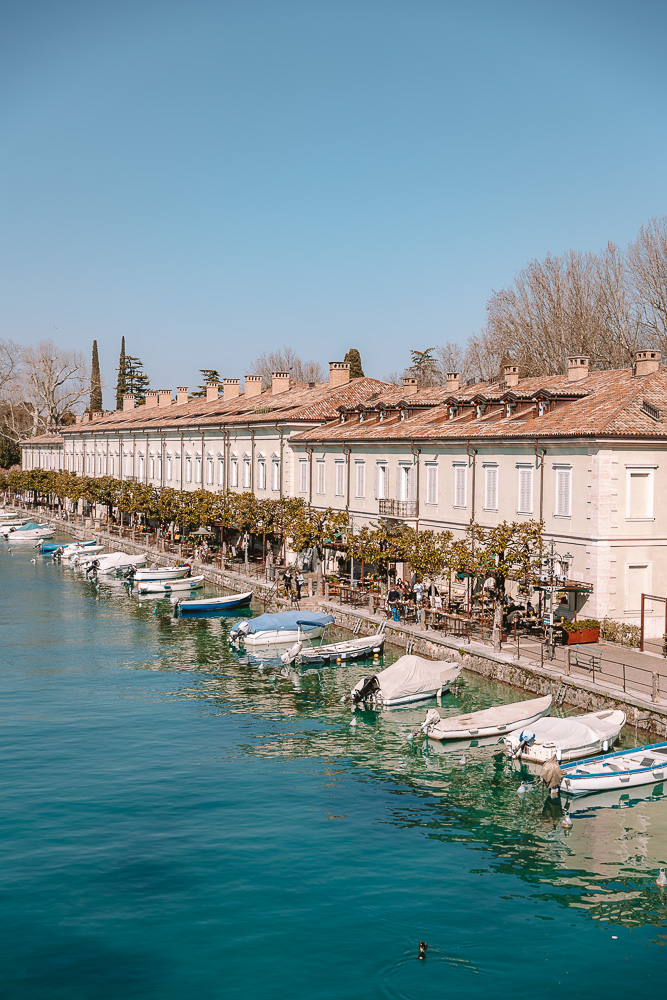
At the southern tip of Lake Garda, Peschiera del Garda is a completely different kind of fortress. Shaped by water, everything here feels softer, more fluid. The lake gives it the typical Italian coastal town vibe that I love. Located where the Mincio River flows out of Lake Garda, it played a crucial role as a link between Venice and its western territories.
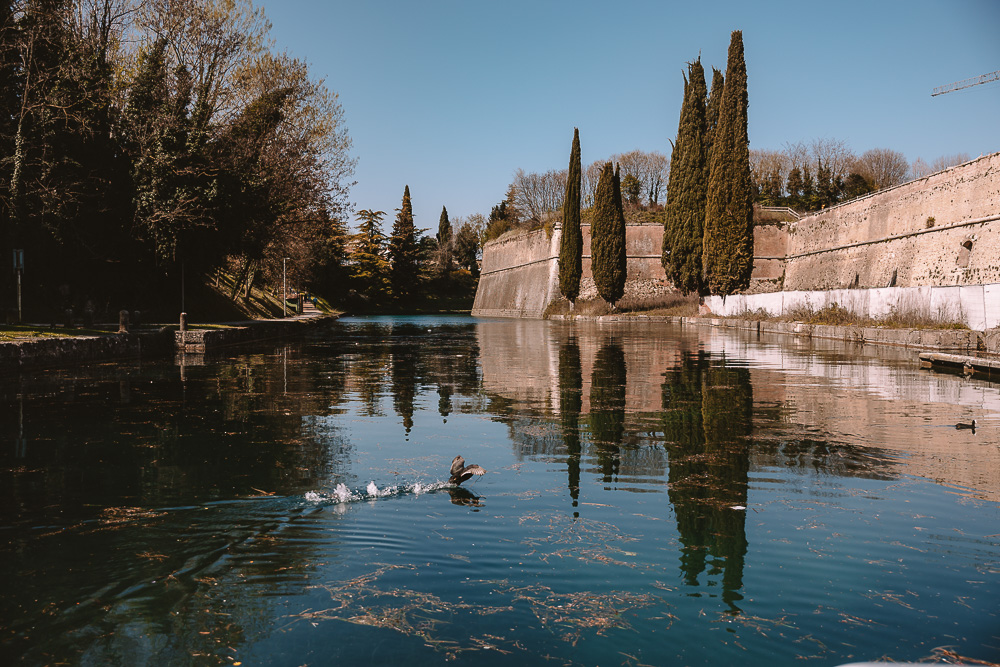
Its pentagonal fortress, reinforced under Venetian rule, integrates canals and waterways directly into its defensive system, making it one of the most unique of the Venetian Fortresses.
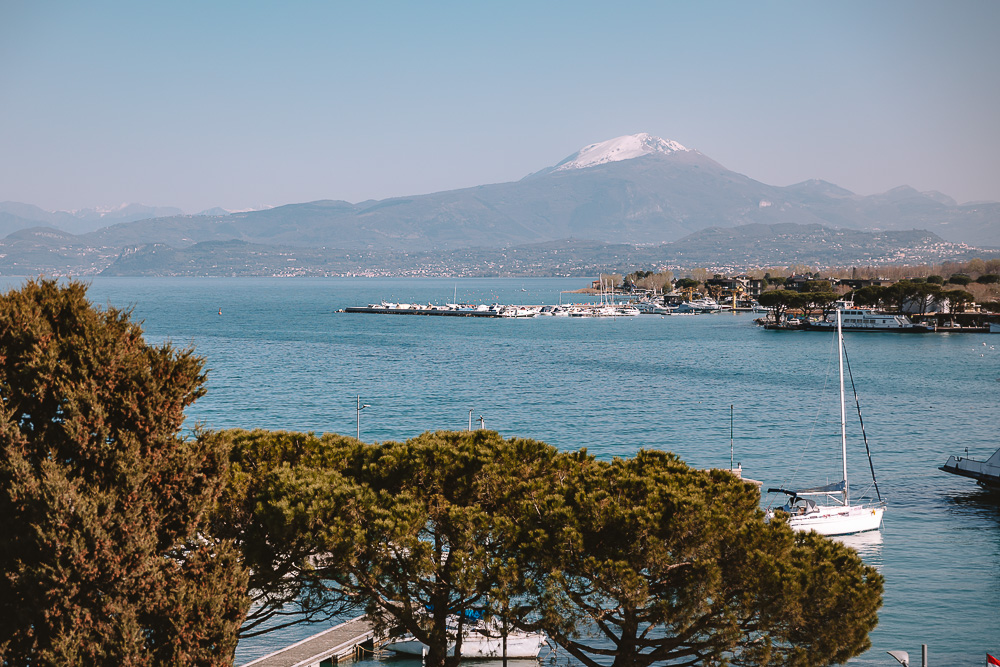
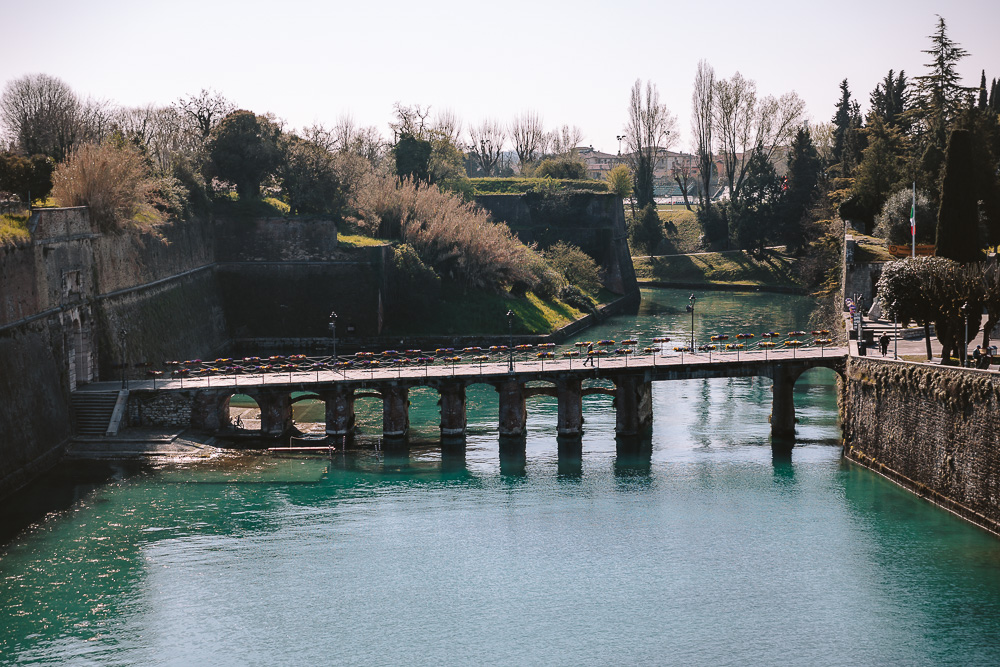
For photography, I loved all the reflections and symmetries.
・Porta Brescia is one of the most iconic entrances.
・Ponte dei Voltoni offers one of the most photogenic views over the canal.
・The view on Ponte dei Voltoni from the opposite bridge on Viale Cordigero.
Photo tip: Come at sunrise for a perfectly still water and perfect reflections.
Best things to do in Peschiera del Garda:
– Half-Day Lake Garda Cruise with lunch
– City Walls Tour
– Boat trip to Sirmione
Where to stay in Pescheria del Garda:
– Hotel Bell’Arrivo
Peschiera del Garda is an easy day trip from Milan and a great stop to add to your Lake Garda itinerary!
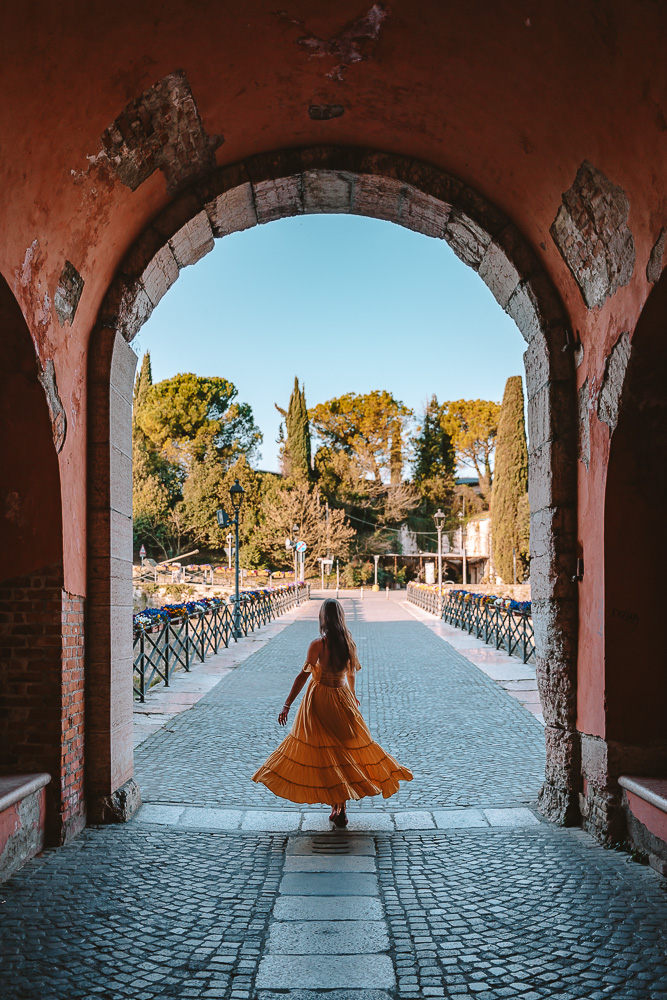
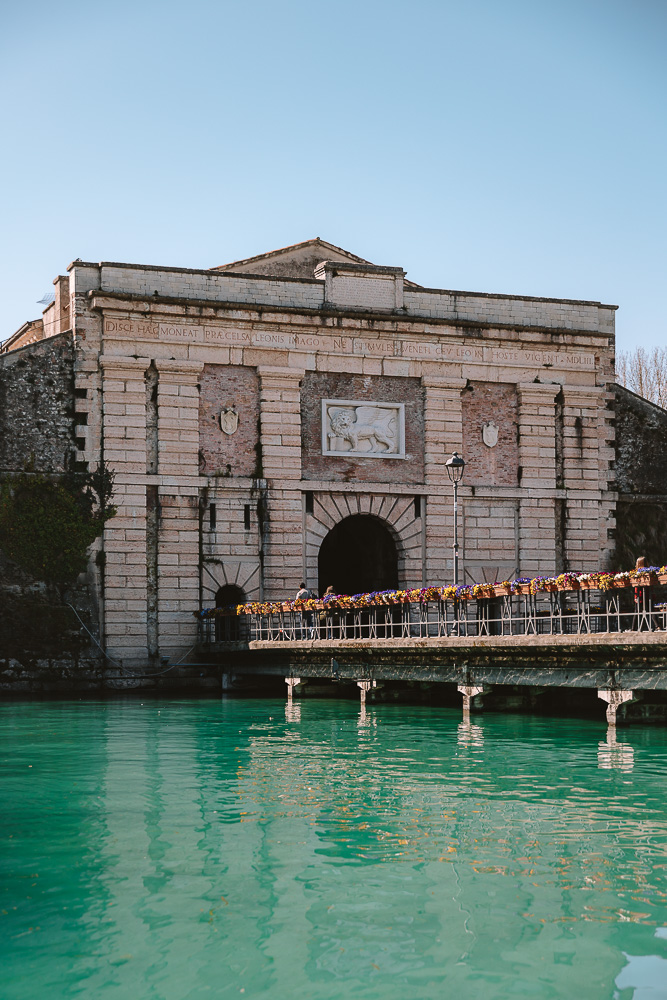
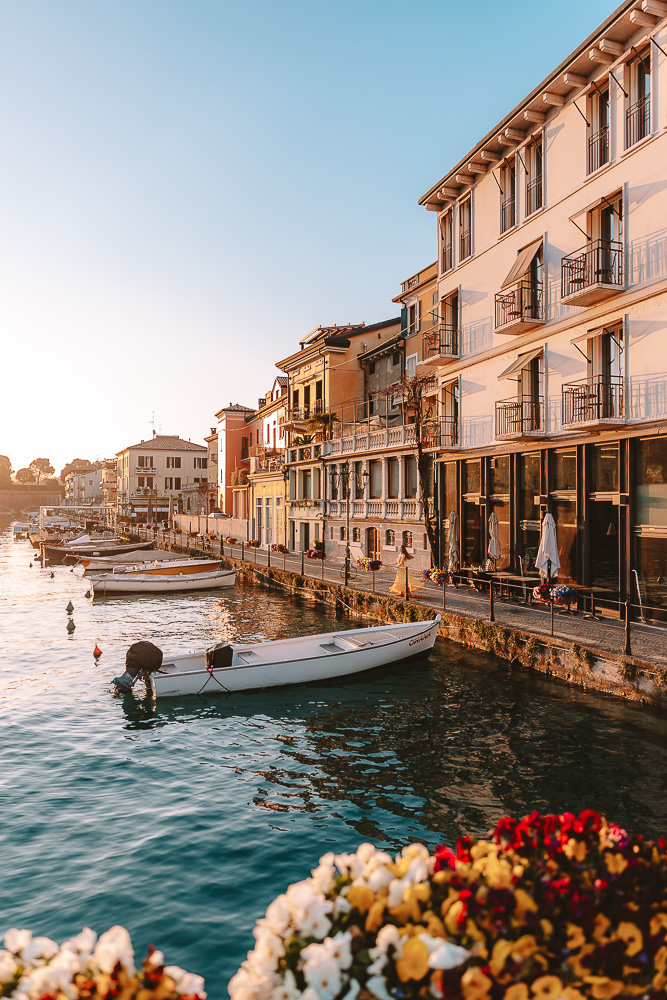
Palmanova
If Bergamo is organic and Peschiera is fluid, Palmanova is pure geometry.
Designed by the Venetians in 1593, this city was built as an ideal fortress. It has the shape of a perfect star with nine points, surrounded by multiple defensive rings built over different periods.
Walking through Palmanova feels surreal. Everything is symmetrical, precise, almost utopian.
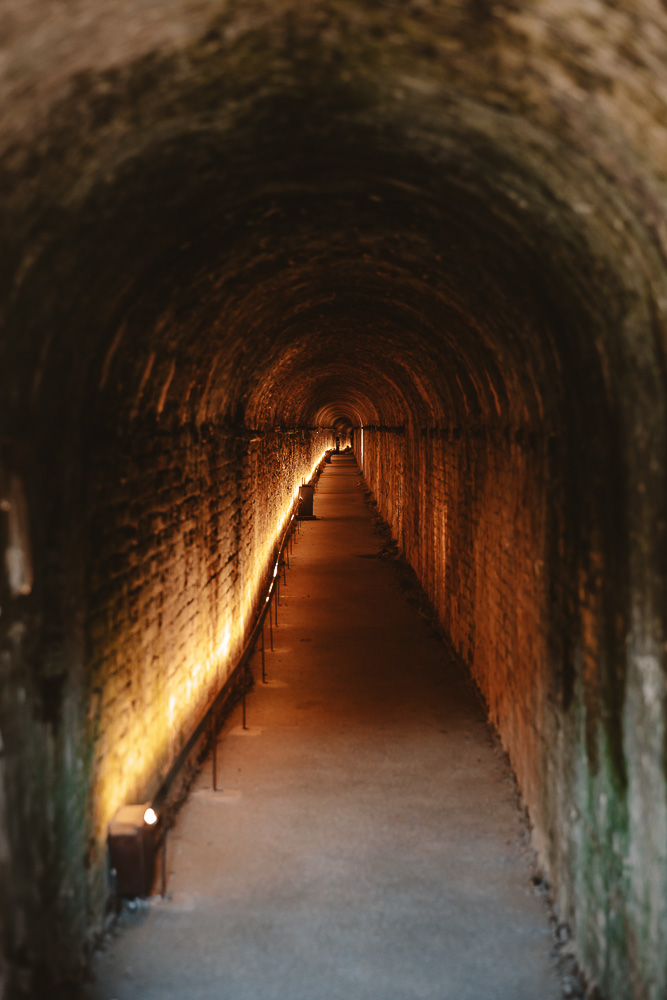
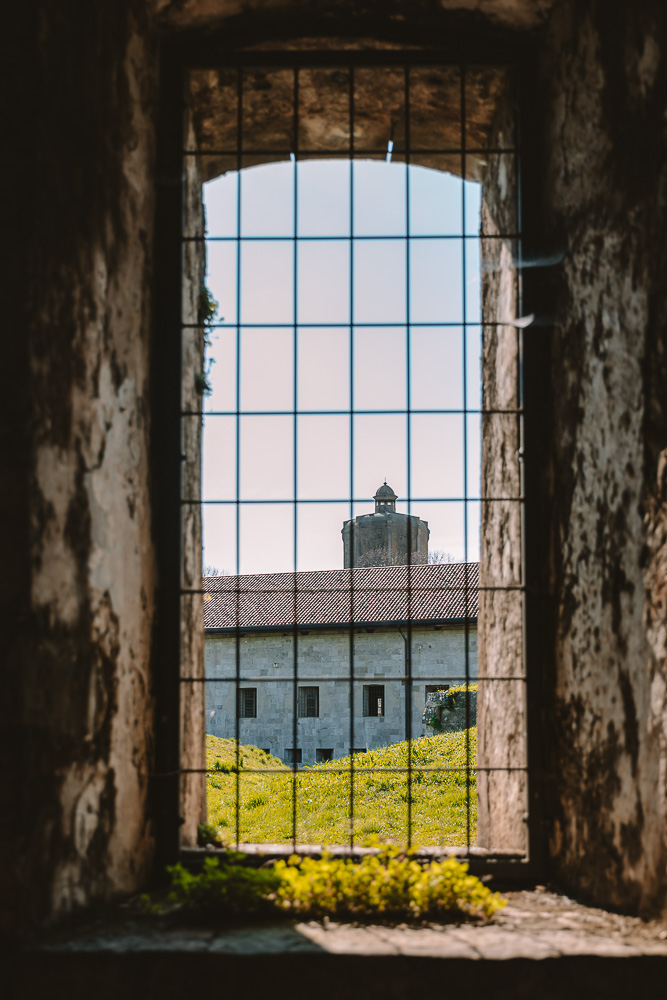
Beneath the surface lies an entire hidden world: the Galleria di Contromina, a network of tunnels stretching around 900 meters. These were used to detect and counter enemy attempts to undermine the walls, or even to blow them up if necessary. Today, you can walk a part of it and along nearly 4.7 km of fortifications, tracing the outline of this extraordinary design.
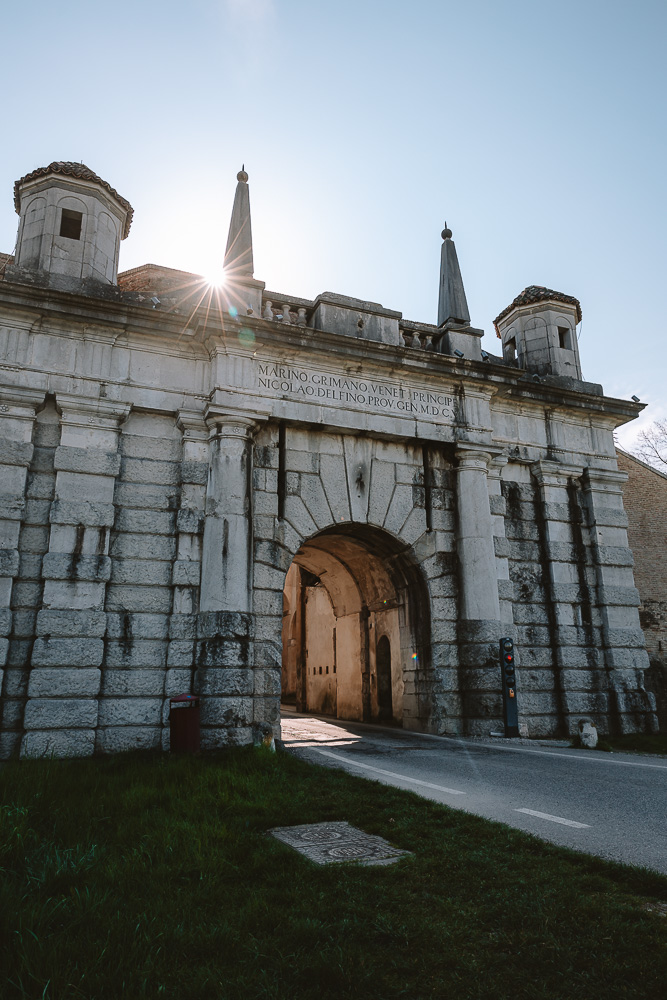
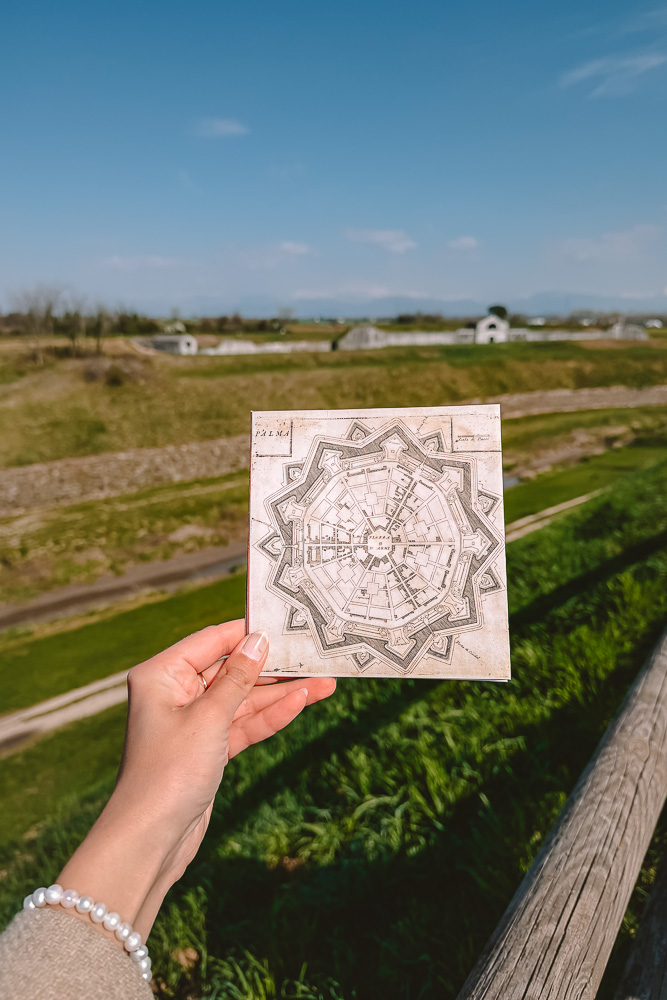
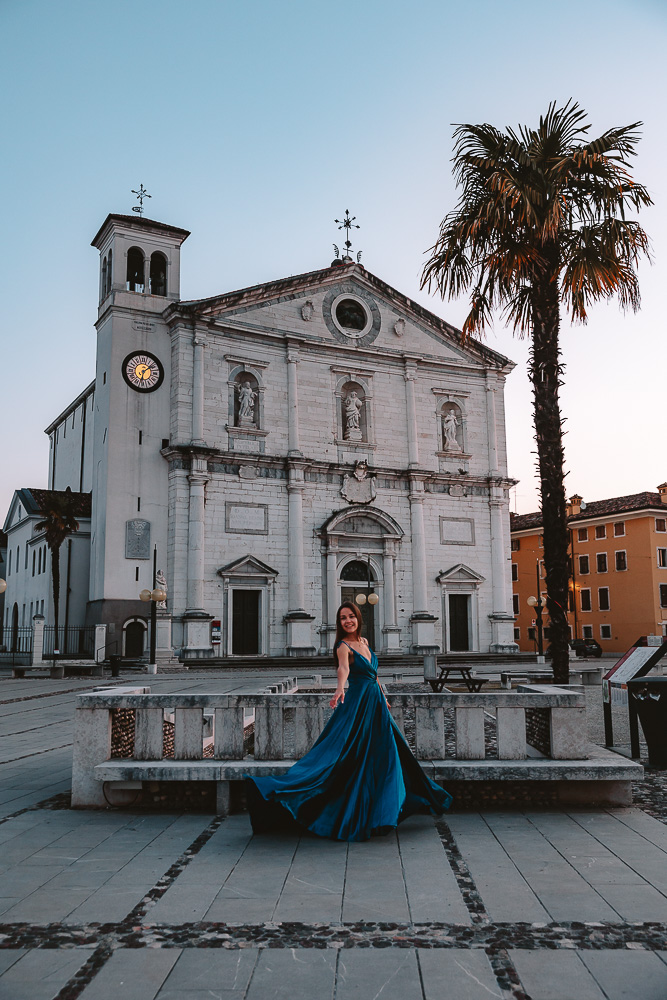
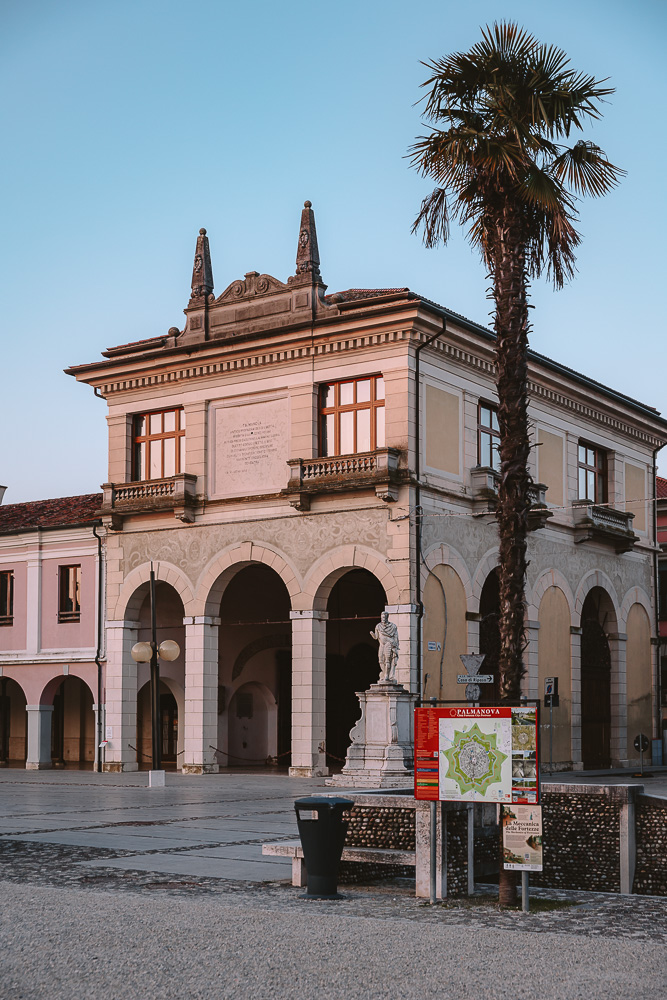
For photography, it’s a completely different playground.
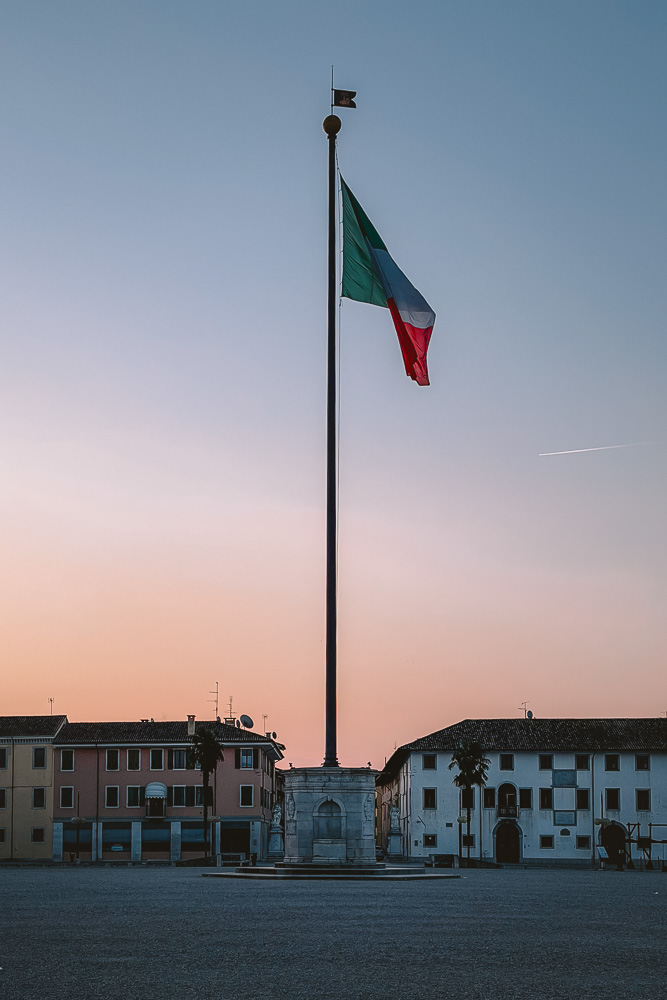
・The Piazza Grande is all about perfect symmetry.
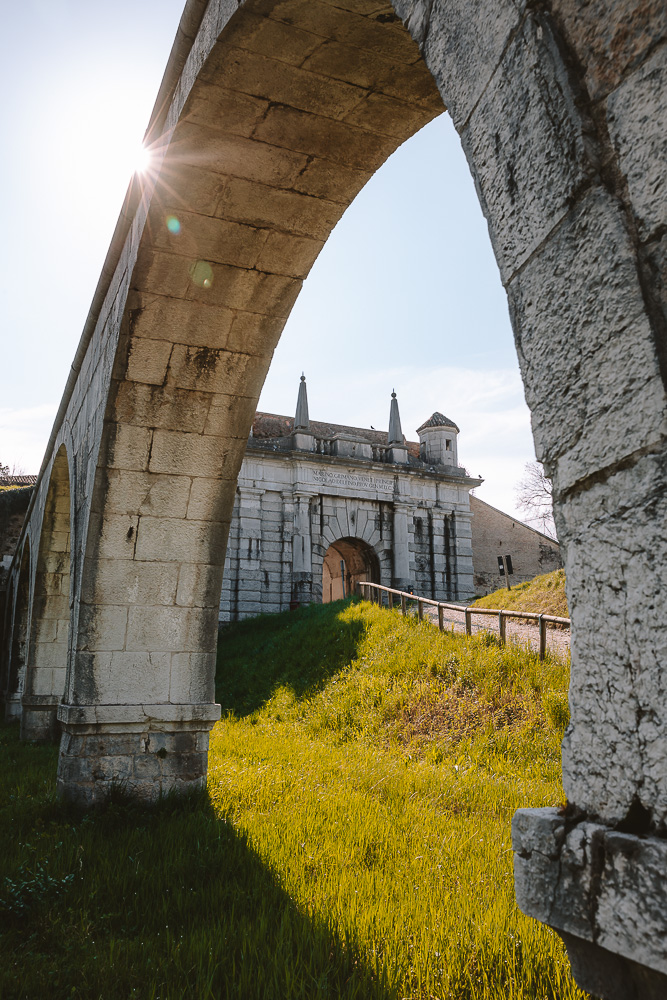
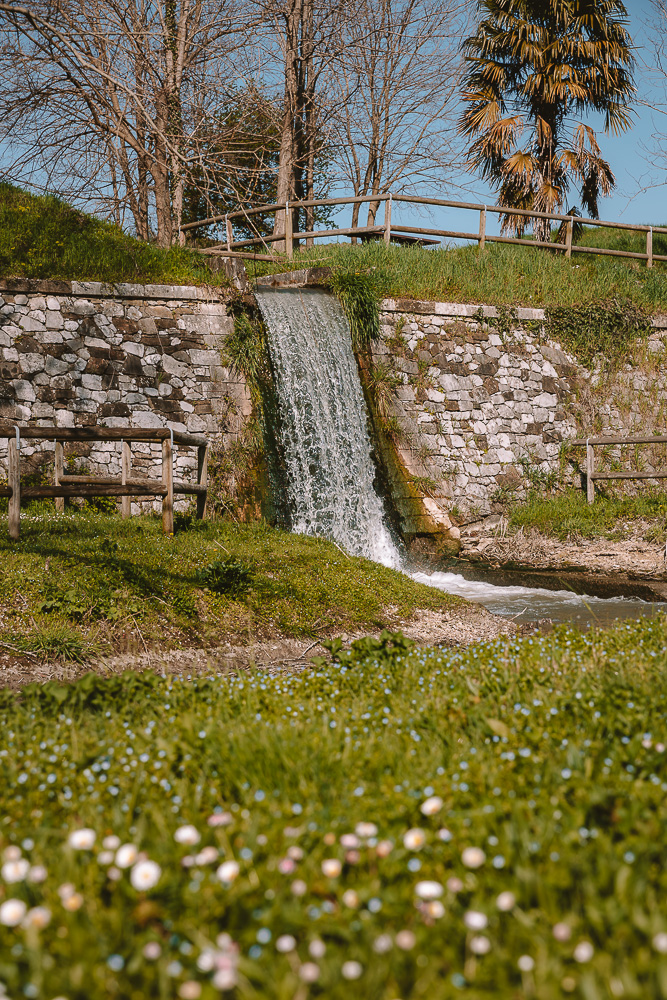
・The Aqueduct near Porta Udine offers a quieter and unexpected spot.
・Walking along the fortifications with a guide will take you to unexpectedly photogenic places.
Best things to do in Palmanova:
– Fortress guided tour
– City escape game
– E-bike rental
Where to stay in Palmanova:
– Hotel Ai Dogi
Exploring the Venetian fortresses by bike
One of the most unique ways to experience these Venetian fortresses is actually to connect them by bike. A curated itinerary links Bergamo, Peschiera del Garda and Palmanova into a 3-day journey, combining culture, landscapes and slow travel.
It’s a completely different way to experience these UNESCO sites: slower, more immersive and incredibly photogenic. Even if you don’t do the full route, sections like the Mincio cycle path in Peschiera are worth doing on their own.
Once part of the Serenissima (Republic of Venice), these cities reveal a side of Venice that goes far beyond canals and gondolas. From mountain viewpoints to water reflections and perfect geometry, each fortress tells a different story. Today, these Venetian fortresses are no longer military strongholds but they remain powerful reminders of how an empire once shaped landscapes across Europe.
I hope this will inspire you to get off the beaten track in Northern Italy and explore UNESCO’s fortresses!
💡 Did you know that…
By purchasing through my links, you support me at no additional cost.
Thank you for your support. ♥️
If you liked this post, pin it for later!